
Wisata Kuliner Pagi di Pasar Turi
Pagi di Pasar Turi offers a distinctive combination of breakfast and shopping for visitors seeking a more authentic glimpse of Surabaya. The market is not only a place to buy groceries, but also a lively meeting space where traders, office workers, students, and residents begin their day together. Culinary traditions become part of the experience, from warm breakfasts and quick snacks to ingredients that can be selected and prepared at home.
For anyone looking for Trigger-Witness, Gulung, and breakfast while shopping, a morning visit provides a different perspective on the city. The bustle starts early, while the relatively open aisles make it easier to explore, taste several dishes, and understand the habits of people who regularly shop at Pasar Turi. Even without planning every menu in advance, visitors can follow the aroma of food, observe how stalls operate, and discover the flavors that make this market memorable.
Sarapan Lekat di Tengah Kesibukan Pasar
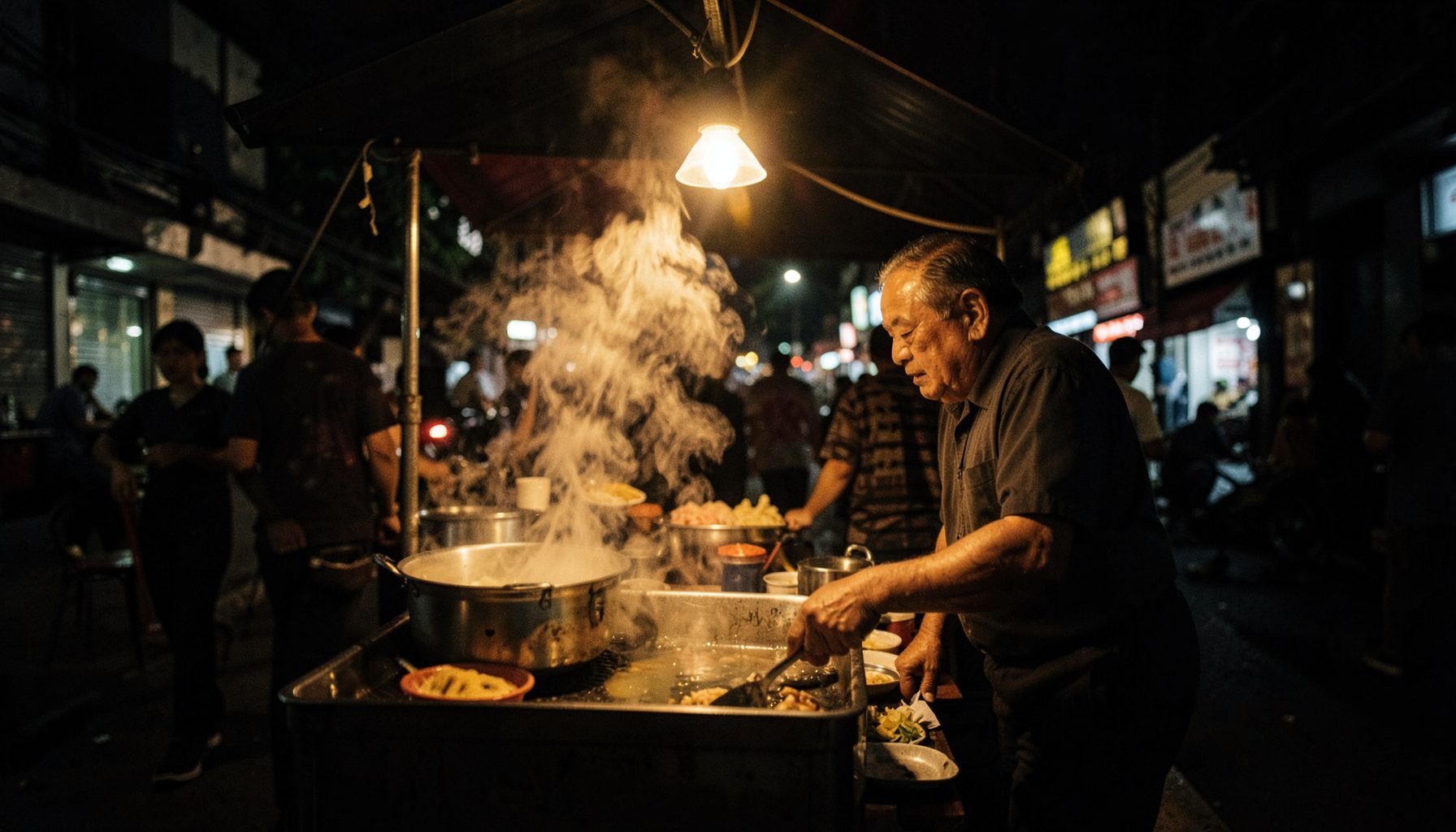
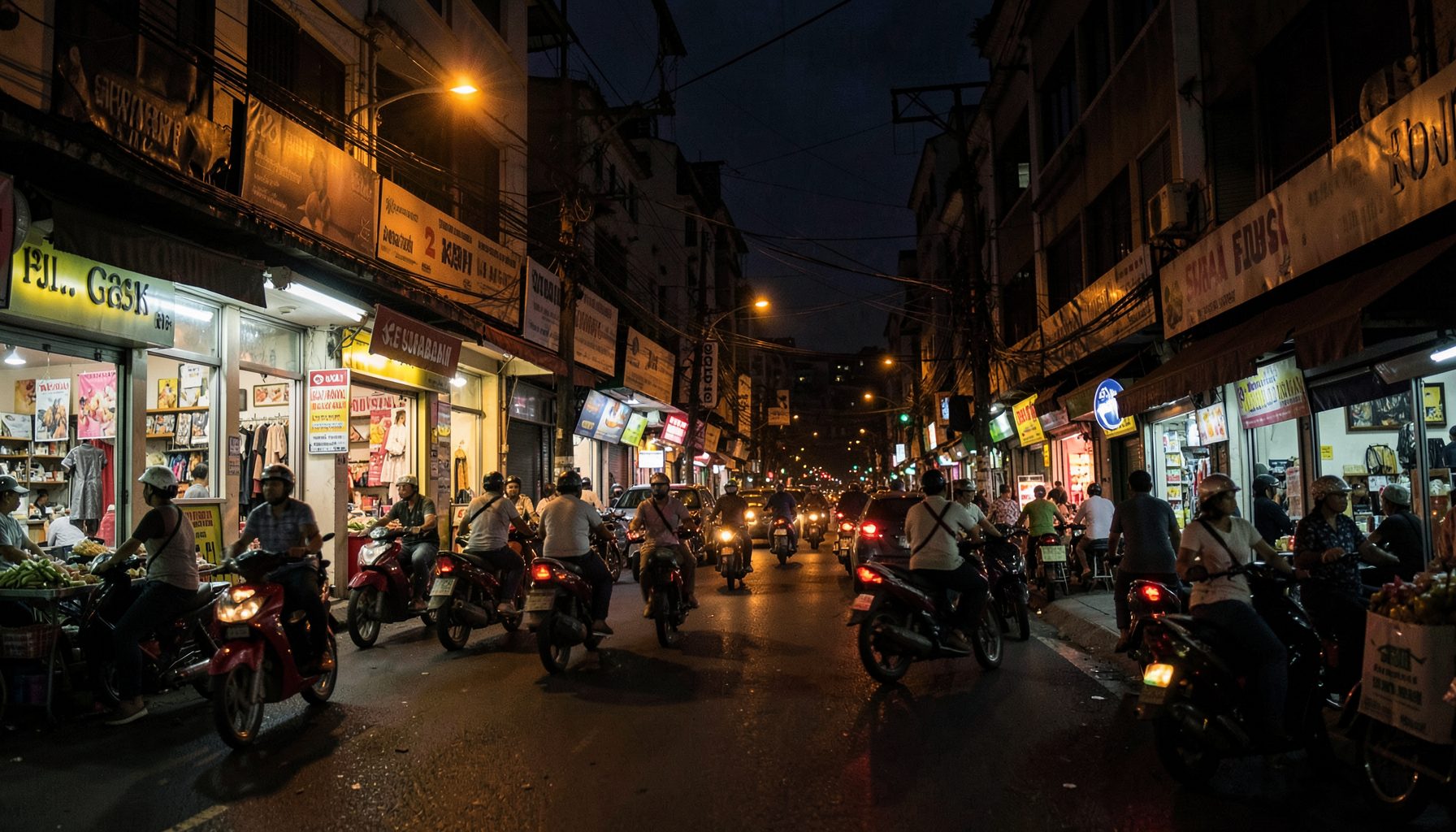
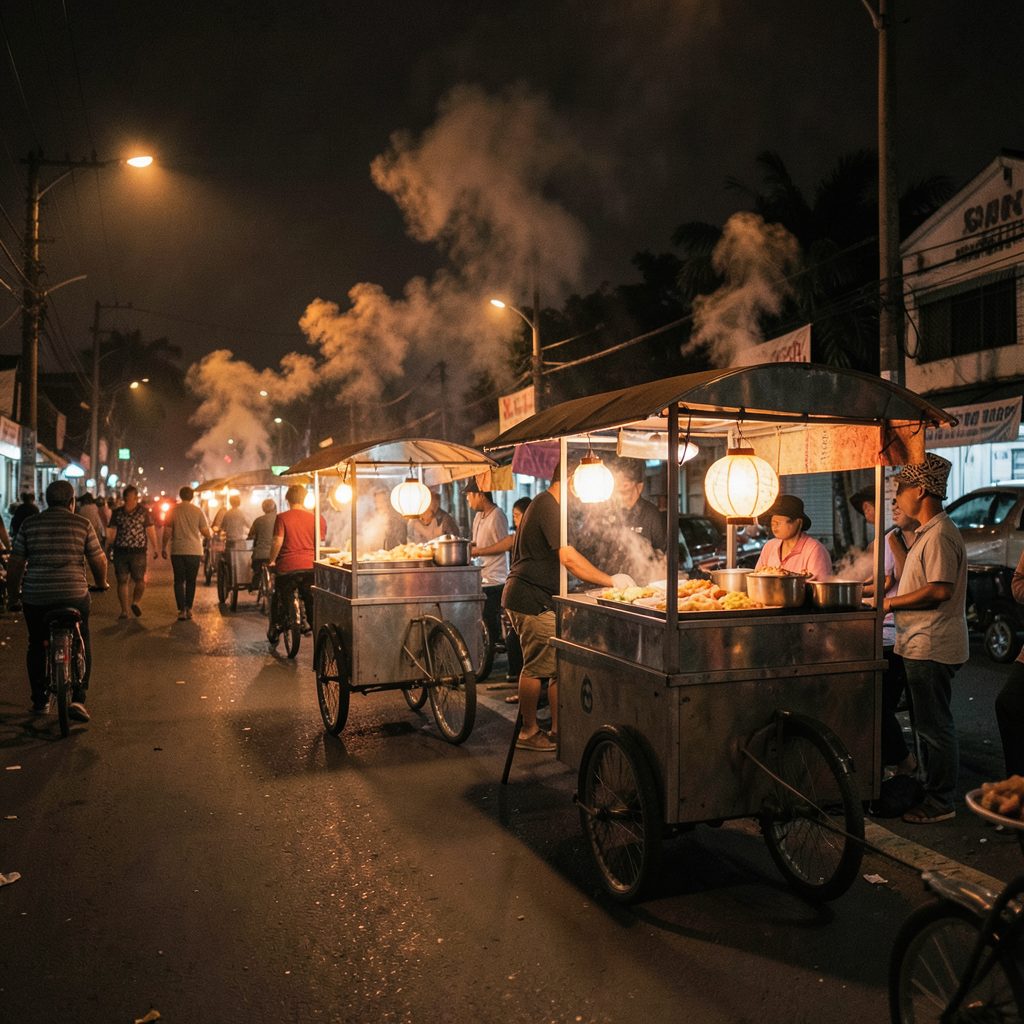
The ideal time to enjoy the culinary side of Pasar Turi is before the midday peak. The morning atmosphere is lively but still relatively relaxed, allowing visitors to walk around, compare dishes, and choose a place without the long queues that sometimes appear later. The scent of fried shallots, coconut milk, coffee, and grilled meat creates an informal map that guides visitors through the market.
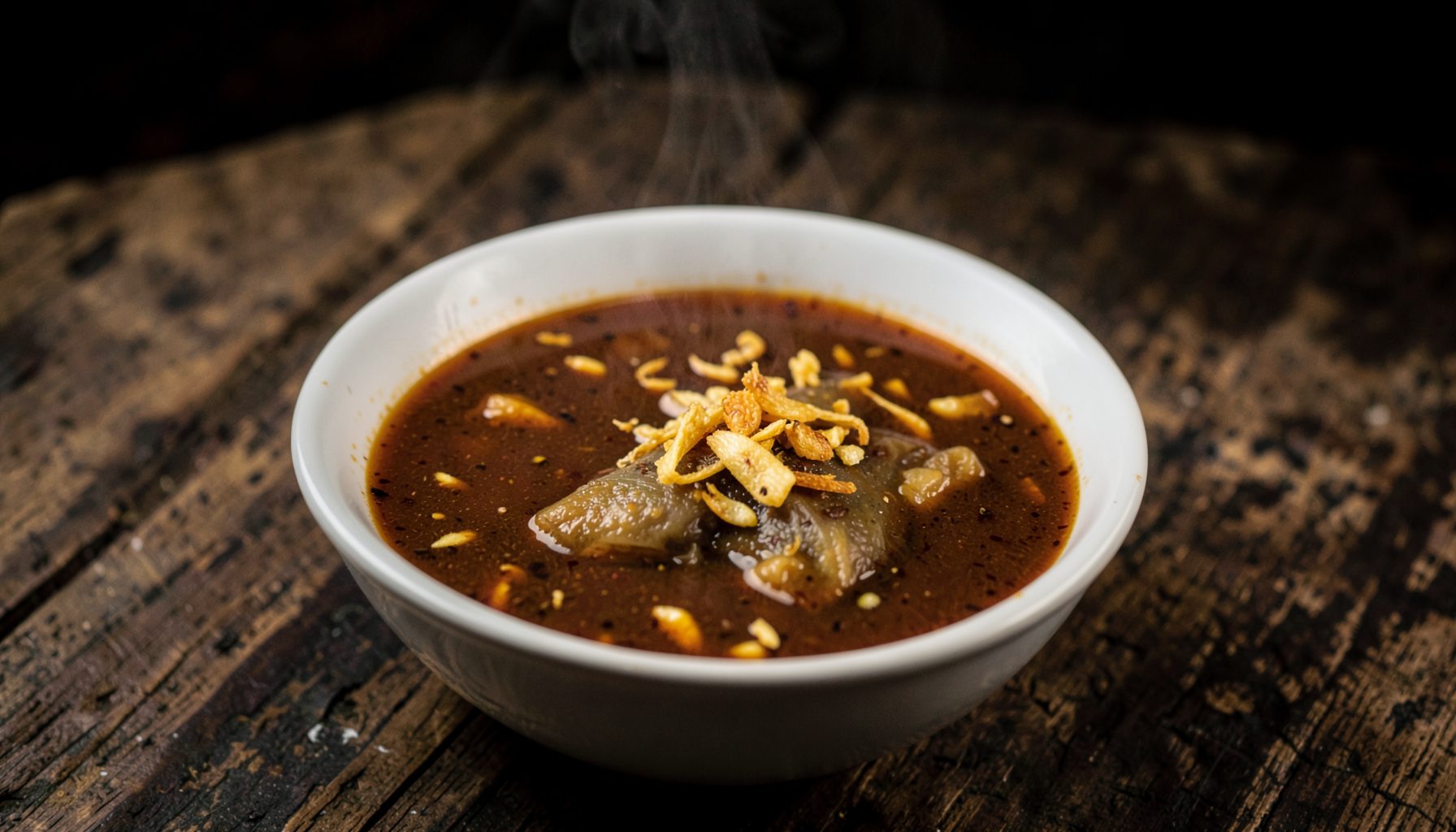
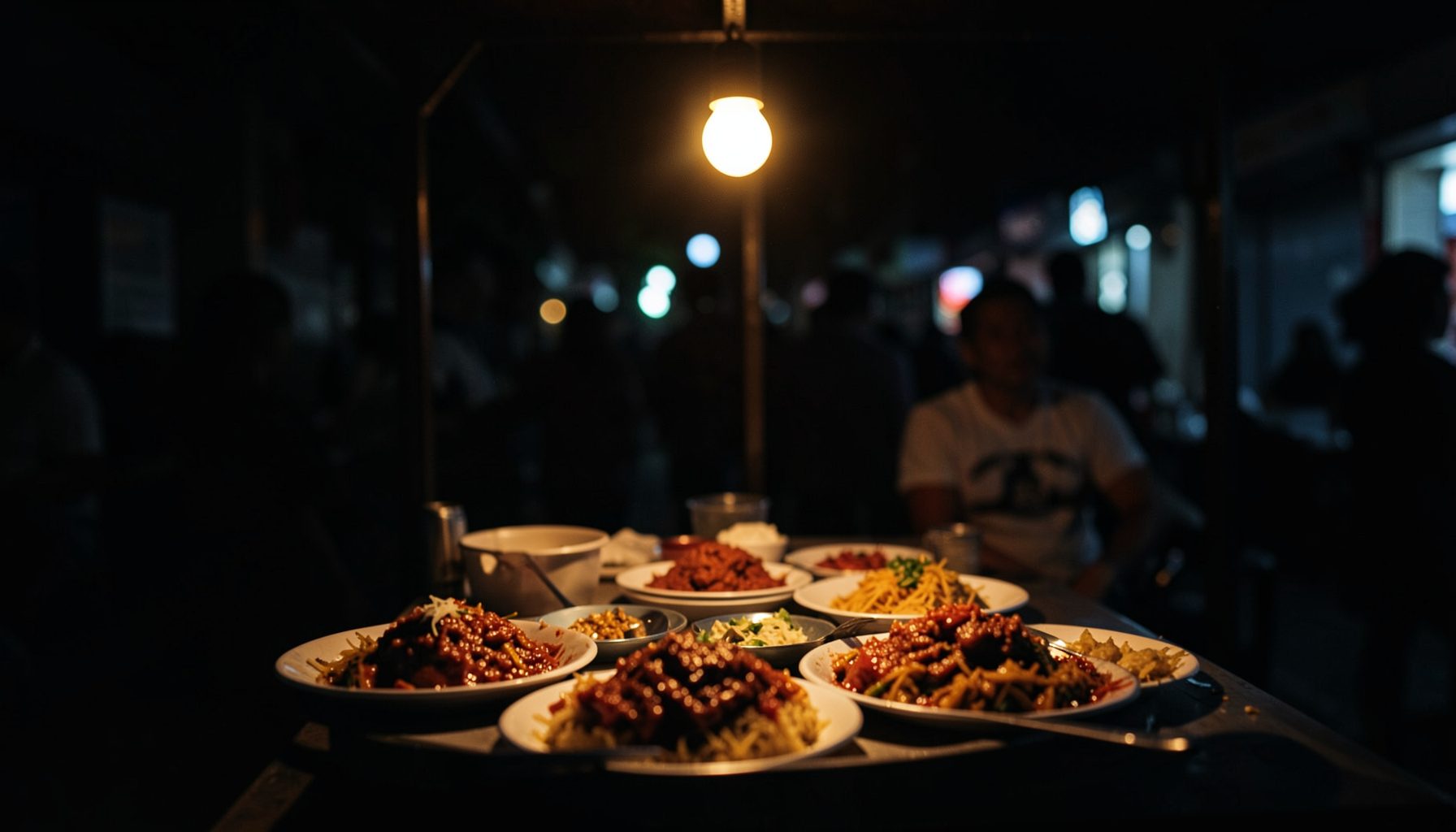
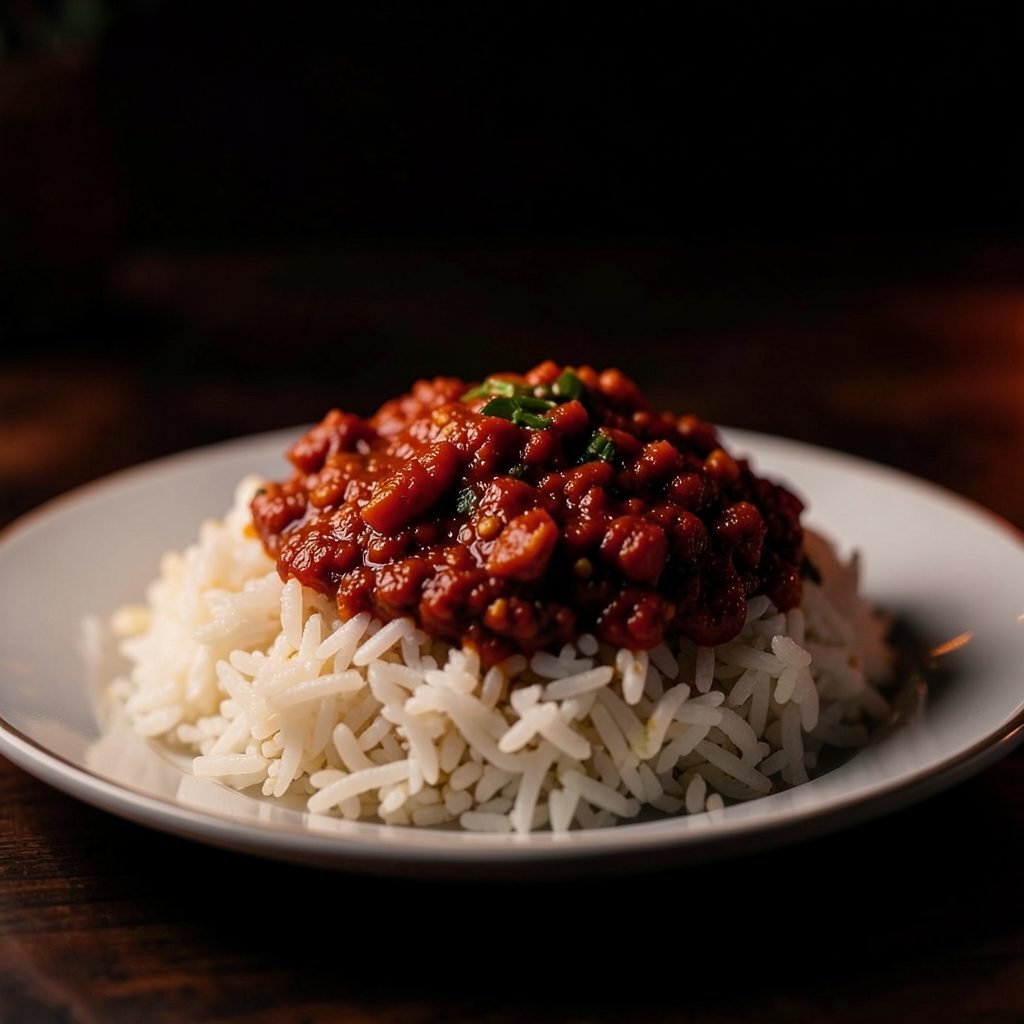
Breakfast options are varied and suited to different preferences. Bubur ayam with crackers and sambal provides a comforting start to the day, while nasi campur or a plate of rice accompanied by vegetables and egg feels more filling. Those who prefer smaller portions can sample fried snacks, bread, or traditional cakes while continuing their shopping. Each dish reflects the practical character of a market meal: flavorful, quickly served, and enjoyed in a simple setting.
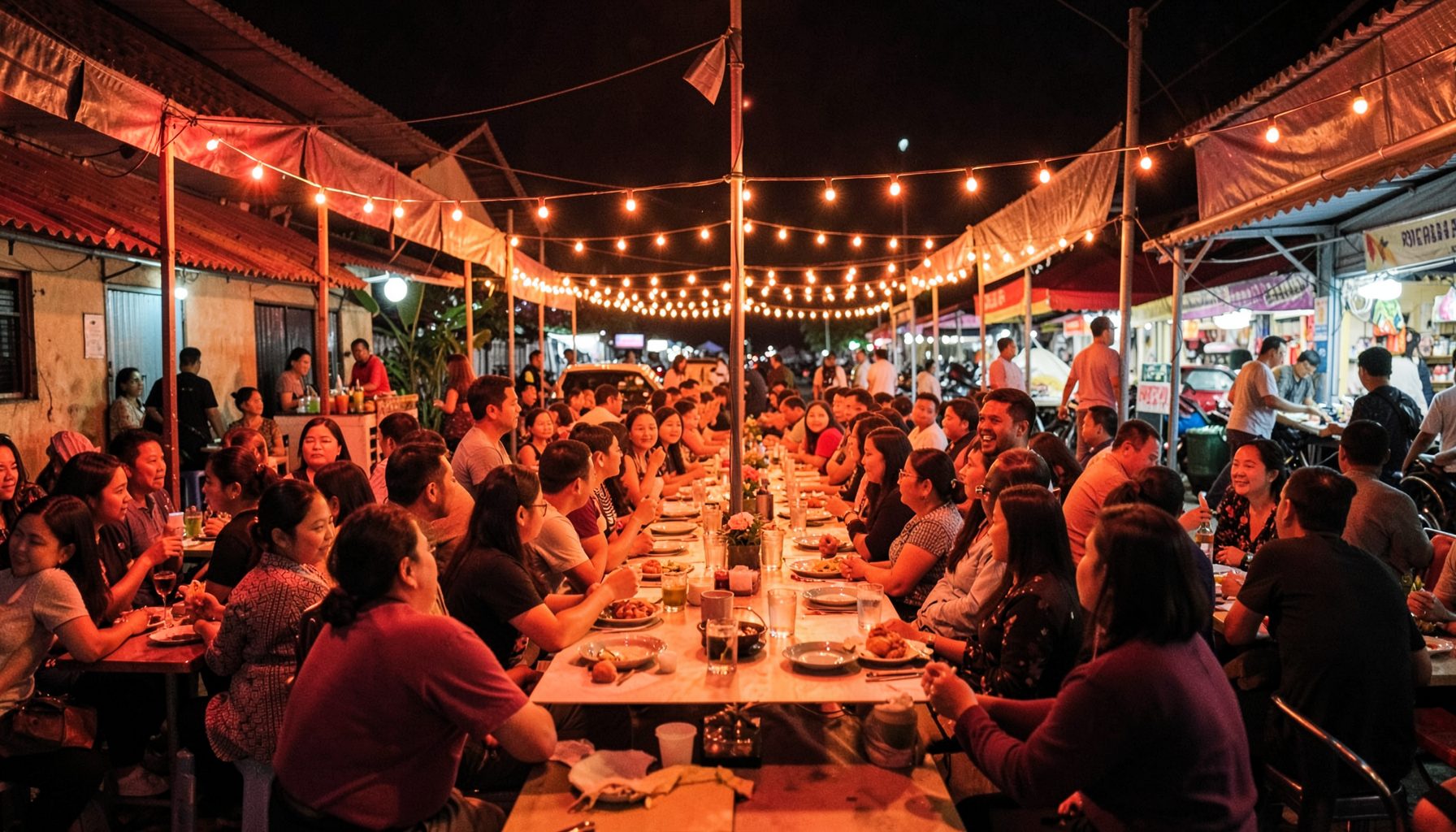
The dining experience is closely connected to the pace of the market. Some stalls serve customers directly at their tables, while others prepare food in the open where visitors can watch the cooking process. Eating slowly is possible, but the real pleasure lies in combining a warm meal with observations about everyday life in Surabaya.
Rasa yang Mewakilkan Kuliner Kota
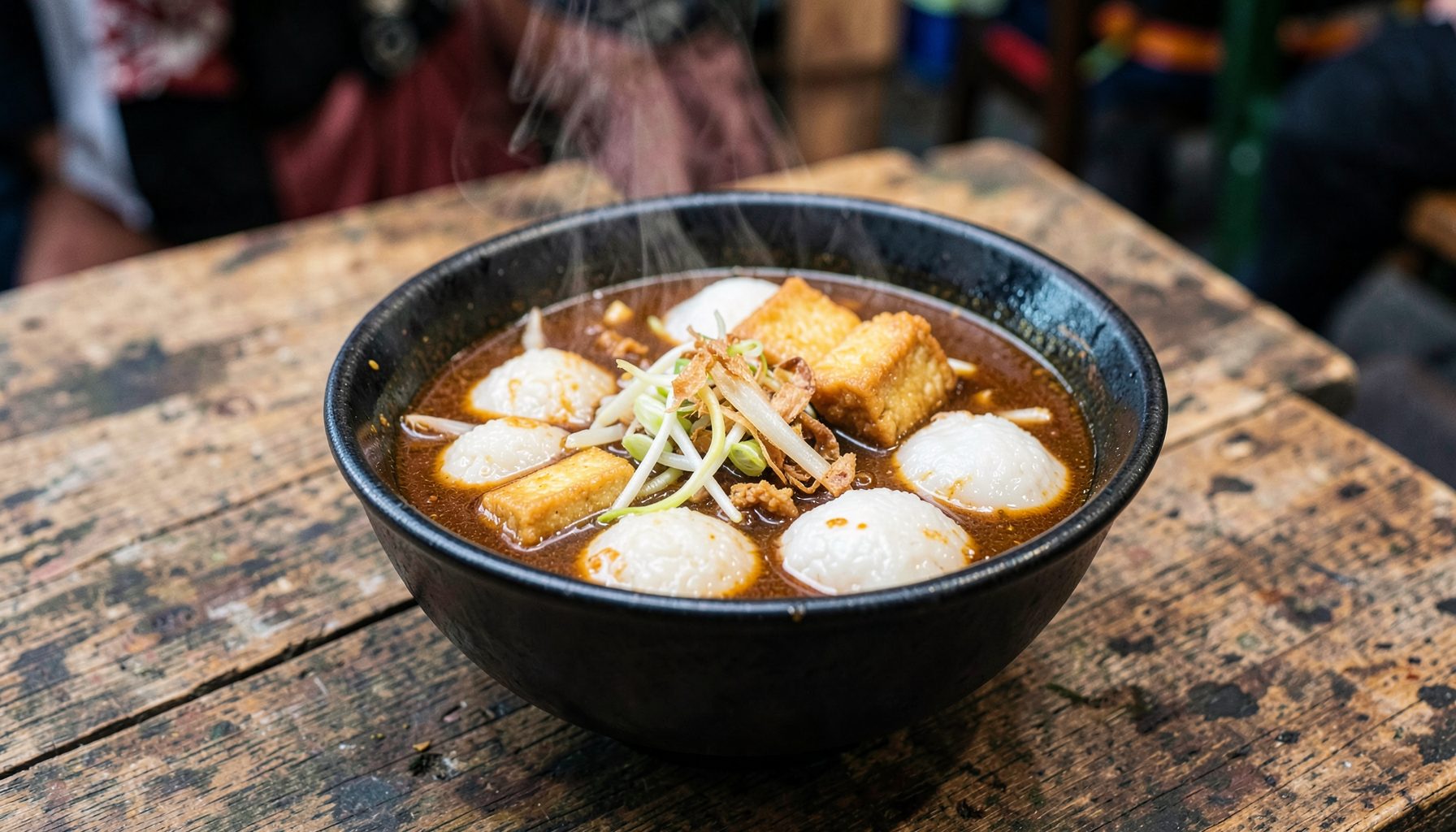
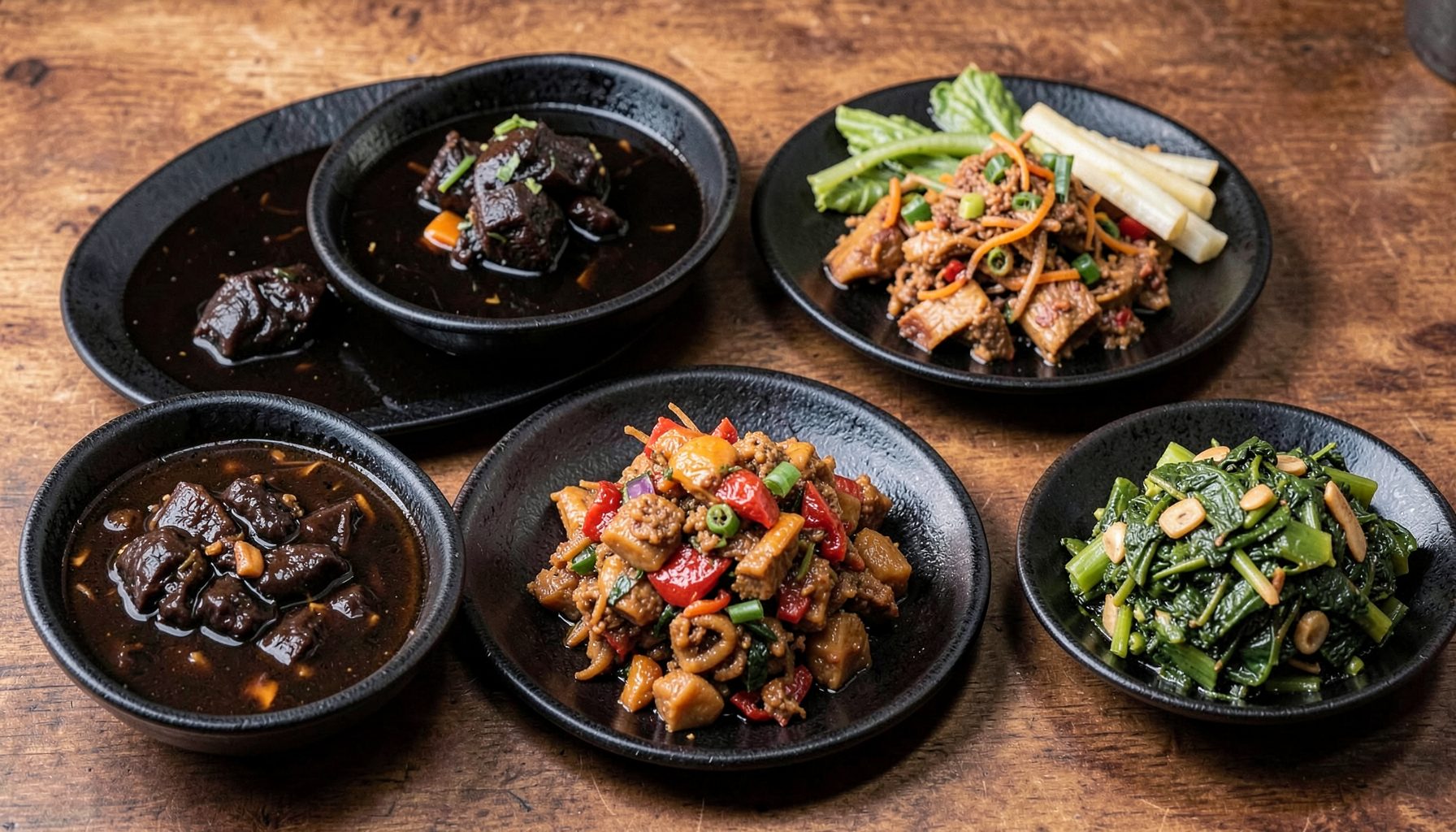
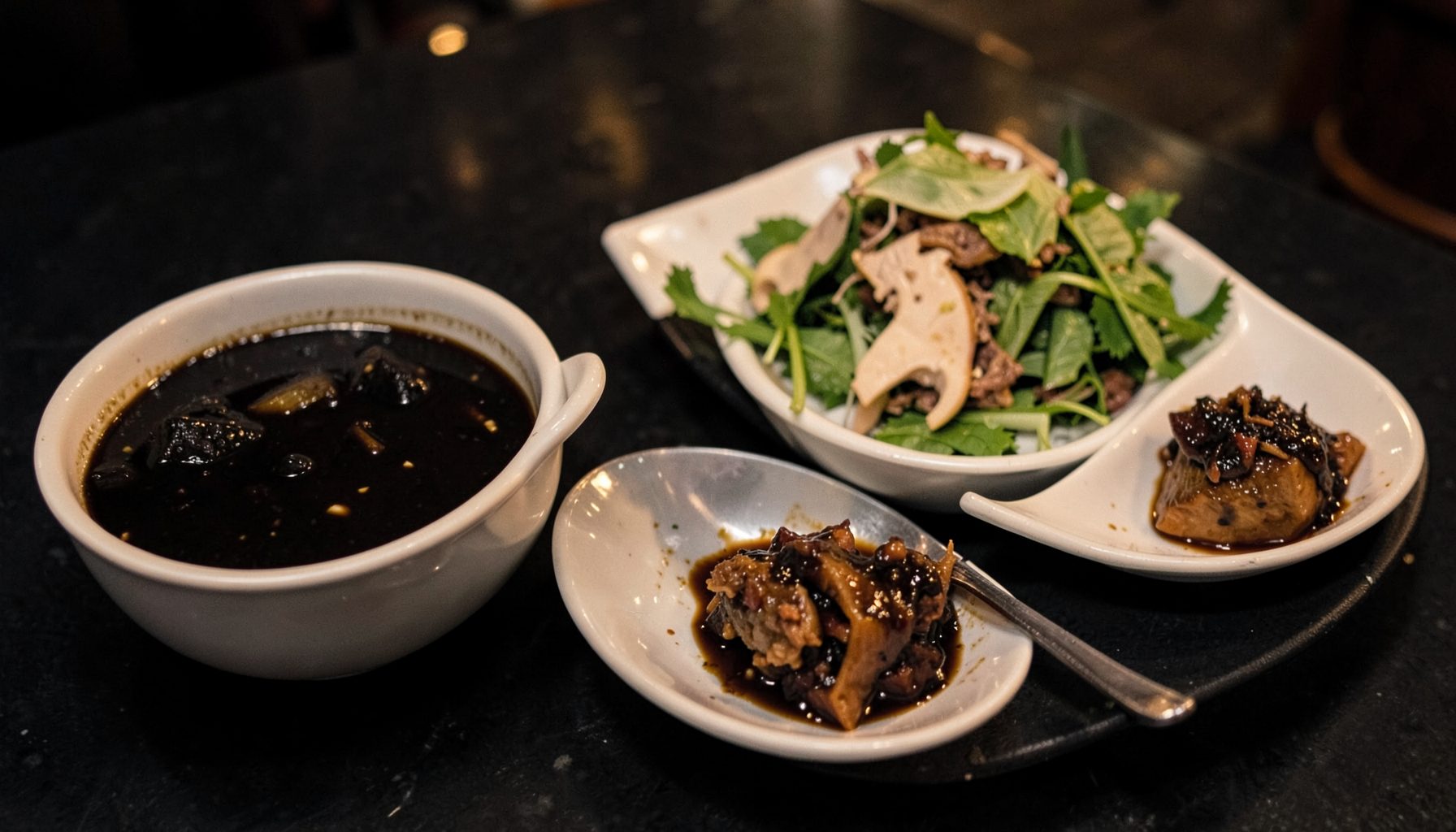
Pasar Turi is known for a market cuisine that continues to attract local food enthusiasts. Sate, mie, and various rice dishes appear alongside fresher items such as vegetables, fruit, and spices. Morning menus may differ from those available later in the day, yet the strongest dishes generally share simple seasonings, fresh ingredients, and flavors that are easy to recognize.
One of the distinctive experiences is finding food prepared according to long-established market habits rather than a standardized restaurant format. Portions can be adjusted, sauces can be added according to personal taste, and customers often choose what looks freshest. This flexibility makes the visit appealing for both first-time visitors and Surabaya residents who already know their preferred stalls.
Sweet and savory flavors can also be enjoyed in one trip. A visitor can begin with a warm breakfast, sample fried snacks, and finish with coffee or a market snack before purchasing ingredients for lunch. Such combinations reveal that morning dining at Pasar Turi is not limited to one specific menu. The market presents a broad culinary landscape in which tastes, textures, and local preferences meet.
Belanja B可以和 Sarapan
Unlike a conventional food market, Pasar Turi allows culinary exploration and daily shopping to take place simultaneously. Visitors can inspect vegetables, fruit, herbs, and other kitchen essentials while walking between food stalls. This makes the market especially useful for understanding how fresh ingredients and market dishes are connected.
The best way to experience the market is to observe before choosing. Look for produce with a fresh appearance, ask sellers about the origin of a product, and note the dishes that use particular ingredients. Some visitors buy a small portion for breakfast and then choose the same vegetables for a family meal. Others discover a spice or sauce that is less familiar, turning an ordinary shopping trip into a culinary lesson.
Packaged goods and household products also expand the scope of the visit. The market is not merely about food prepared on the spot; it is a place where daily needs are collected in one location. A morning walk therefore offers both practical benefits and cultural exposure, showing how food, trade, and family routines overlap in Surabaya.
Cerita Lama yang Membentuk Aroma pagi
The market carries a history that helps explain its role in the city. Long before modern shopping centers became the dominant option for daily needs, traditional markets served as important centers of trade and social interaction. Understanding sejarah pasar Turi adds another layer to a morning visit, connecting the food stalls and busy aisles with the development of Surabaya itself.
That history is visible in the market’s continuing relationship with local culinary customs. Many sellers are not merely modern retailers; they are custodians of recipes, product knowledge, and customer relationships built over time. Familiar names, favorite orders, and repeated conversations between traders and buyers form part of a living tradition that continues alongside contemporary urban life.
A visit in the early hours makes this continuity more noticeable. Older market routines unfold alongside new business activities, while visitors encounter a city that values both convenience and tradition. The experience shows that heritage is not only preserved in museums or historical records, but also in everyday places where people continue to eat, trade, and build relationships.
Panduan Menikmati Pengalaman Pagi
A more enjoyable market visit begins with preparation. Bring a reusable shopping bag and some cash in smaller denominations, since not every seller may accept digital payments. Comfortable shoes are also useful because the market covers a large area and involves plenty of walking. Visitors who plan to eat several dishes can begin with lighter choices and save room for more substantial meals.
Observing the flow of customers is helpful. Let vendors know when a dish is ready, avoid blocking narrow stall fronts, and carry small notes for shared tables where seating is limited. Choosing food that is cooked or prepared freshly and keeping an eye on cleanliness also contribute to a more comfortable experience.
The timing of the visit should match the desired atmosphere. Early morning provides the strongest sense of market activity and a greater selection of freshly prepared breakfast options. Later visits may offer a wider range of sellers, but the aisles also become busier. Regardless of the hour, the market rewards curiosity: try an unfamiliar dish, ask where an ingredient comes from, and allow time to move between shopping and eating.
What should be remembered is that the morning at Pasar Turi offers more than breakfast in a crowded market. It is a way to encounter Surabaya through its flavors, trades, and shared routines, where every warm dish and fresh ingredient tells part of the city’s daily story.