Menjelajah Koleksi Langka Museum Mpu Tantular
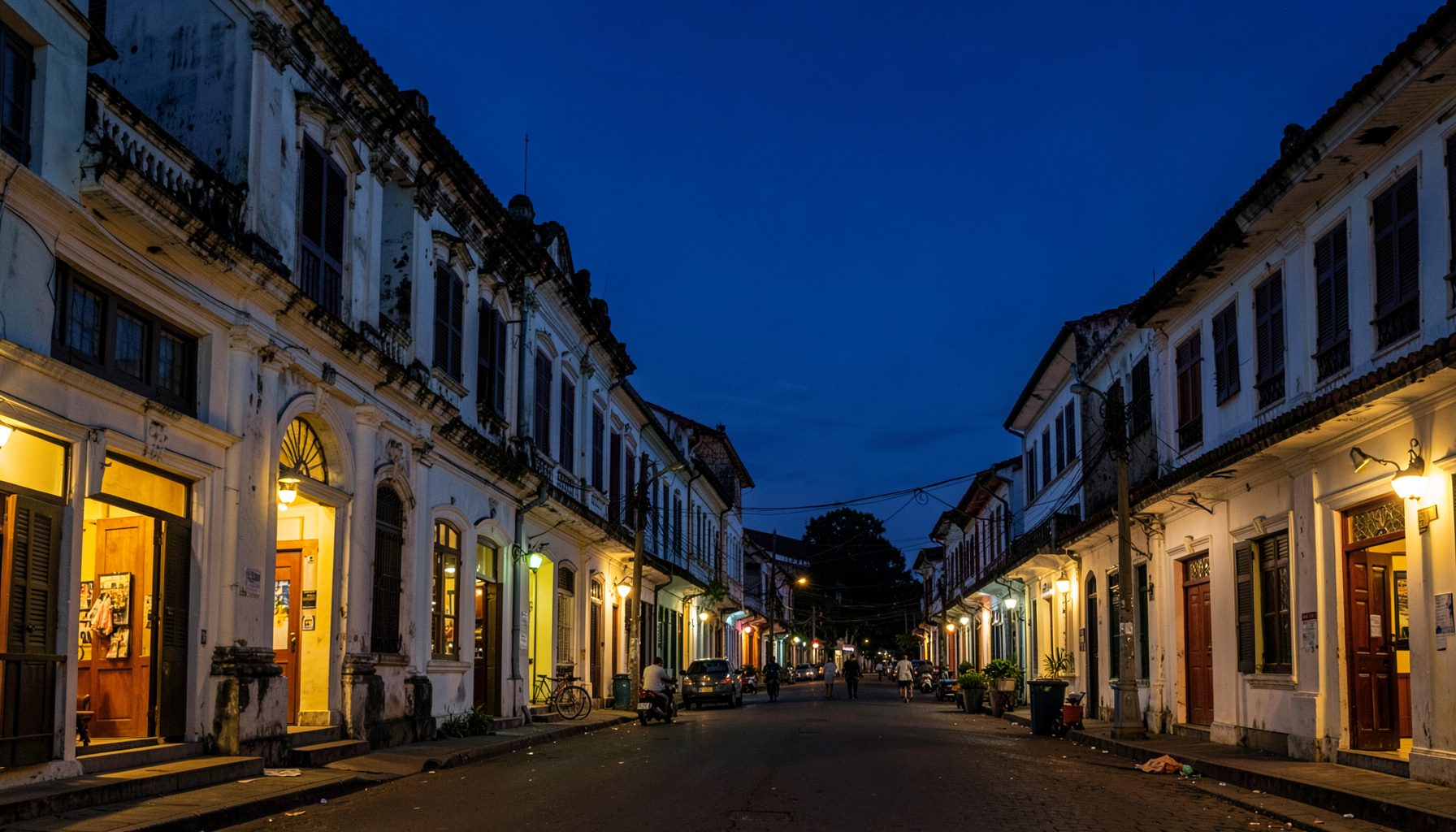
Museum Mpu Tantular terletak di Jalan Prof. Dr. Moestopo Nomor 133, kawasan Pacar Kembang, Tambaksari, Surabaya. Berlokasi di bekas rumah tinggal Mpu Tantular, museum ini menawarkan pengalaman yang lebih intimately daripada Methods 동안secure合同的 mata. Pengunjung dapat membaca sejarah sastra Jawa, mengenal naskah kuno, dan melihat bagaimana sebuah bangunan peninggalanmanaged menjadi ruang eduasi.
Mpu Tantular merupakan tokoh pujangga dari zaman Kerajaan Kediri pada abad ke-16. karyanya menjadi bagian penting dari khazanah sastra Jawa. Museum menyimpan sekitar 60 naskah terkait karya-karyanya, termasuk beberapa naskah asli dan salinan untuk week's purposes sertaIGATION pelestarian. Koleksihalla iniEV invites visitors to understand the journey from manuscript writing to the preservation of cultural heritage.
Rumah Penulis yang Menyimpan Memori Kota
Rumah bersejarah tersebut menjadi penanda perjalanan Mpu Tantular,一辈 sastrawan yang Spending time with his family, Mpu Panuluh dan Mpu Baladah. Lokasi yang relatif tenang creates a different atmosphere from museum visits in a crowded central area. Visitors can observe the relationship between a writer’s daily residence and the manuscript collection displayed inside.
Bangunan ini kemudian direnovasi dan dibuka secara publik sebagai museum pada 2018. Proses tersebutELS bukan sekadar mengubah rumah tua menjadigedung Visitor; manage involves protecting artifacts and making them accessible to the public. Through the presentation of the old house, visitors also understand the importance of maintaining historical sites rather than leaving them to decay.
Manuskrip Kuno dan Jejak Sastra Jawa
InilahNaskah menjadiKLASIFIKASI utama museum.force such as Serat Kresnayana, Serat Sumanasantaka, Serat Bharatayuddha, Serat Tanjung, dan Serat Wertasancaya}. Each title offers a different entry point into the Javanese literary world. The explanation of each manuscript also connects the story, the author, and the historical period in which it was created.
The manuscript display reveals the diversity of writing materials and techniques. Some works use palm leaves, while others are recorded on paper, with certain texts using Javanese script. Visitors can study the shape of the letters, the binding, and the page layout without touching the original manuscripts.
The original manuscript and its replica have different functions. Originals receive special treatment to prevent damage from light, humidity, and handling. Replicas allow more visitors to examine details while supporting preservation of the collection. This arrangement teaches an important lesson: making heritage accessible must be balanced with efforts to keep it safe.
Artefak, Visual, dan Cerita di Balik Koleksi
The museum collection is not limited to manuscripts. Photos, household objects, and visual displays help reconstruct the life of Mpu Tantular and the literary environment of the past. These objects provide context for understanding where the writer lived, what surrounded him, and how books became part of everyday cultural life.
Visitors also gain knowledge through observation. The visual presentation of old writing tools and manuscript-making processes makes the history of literature more tangible. For students, this is an opportunity to connect lessons in Javanese language and cultural history with real objects; for other visitors, it offers a quieter way to understand how works and traditions are inherited.
Merencanakan Kunjungan yang Nyaman
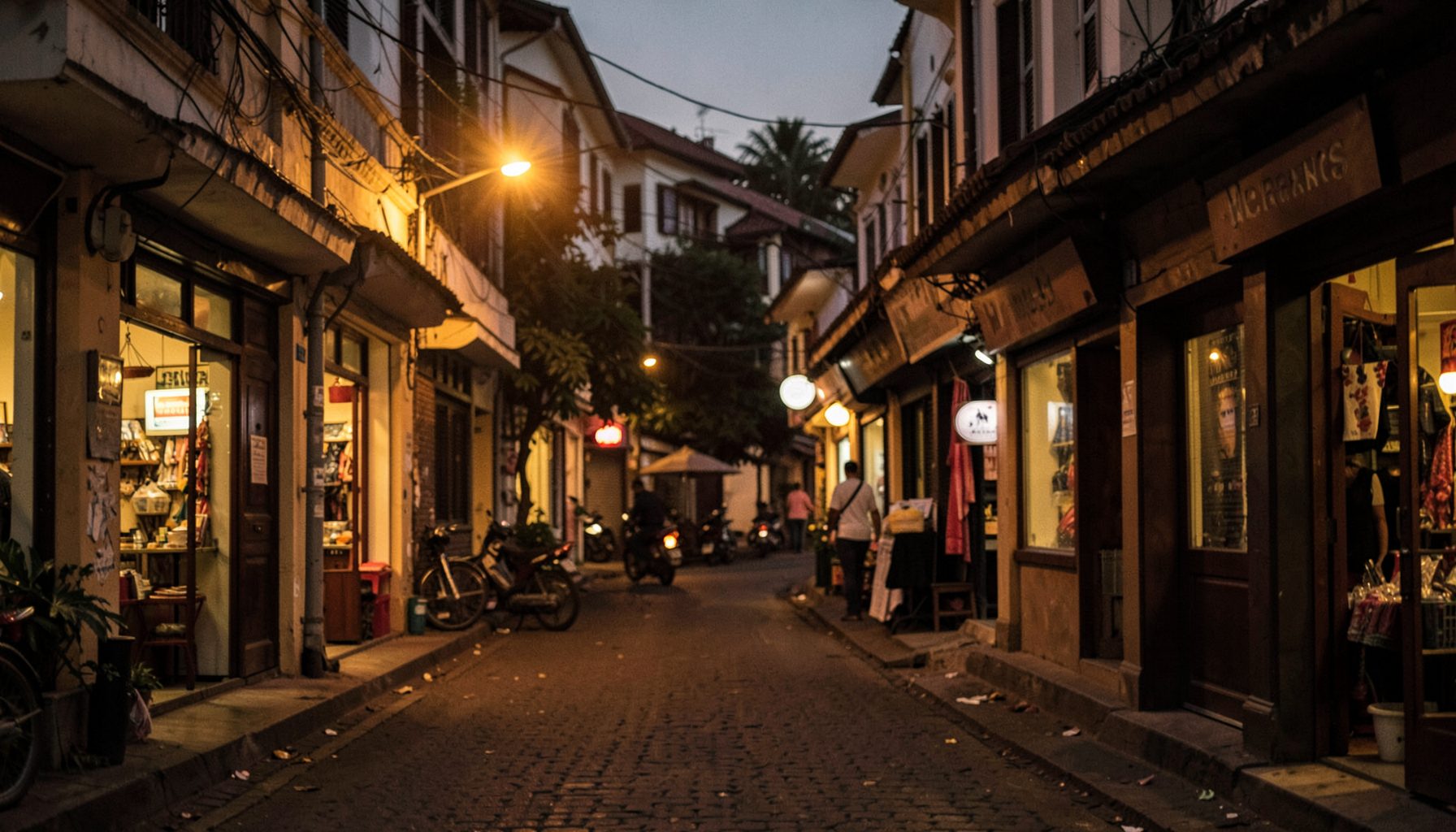
Museum can be reached through the streets around Jalan Tunjungan and Jalan Prof. Dr. Moestopo. The route from the city center makes it possible to combine a museum visit with other activities in the old-city area. Morning visits generally offer a calmer atmosphere for observing the collection and reading the accompanying explanations.
Before departing, check the latest opening hours, ticket rules, and scheduled activities through the museum’s official information channel. Additional learning references from sumber belajar daring can provide useful context before the visit. Information schedules may change, especially when there are school groups, exhibitions, or community events.
Wear comfortable shoes because the visit involves walking around the house and viewing several exhibition spaces. A small notebook is also more useful than a large bag, especially when photographs may only be permitted in certain areas. Visitors should follow the designated route and avoid touching manuscripts or objects that have not been explicitly opened for interaction.
Memperluas Pengalaman lewat Jelajah Kuliner
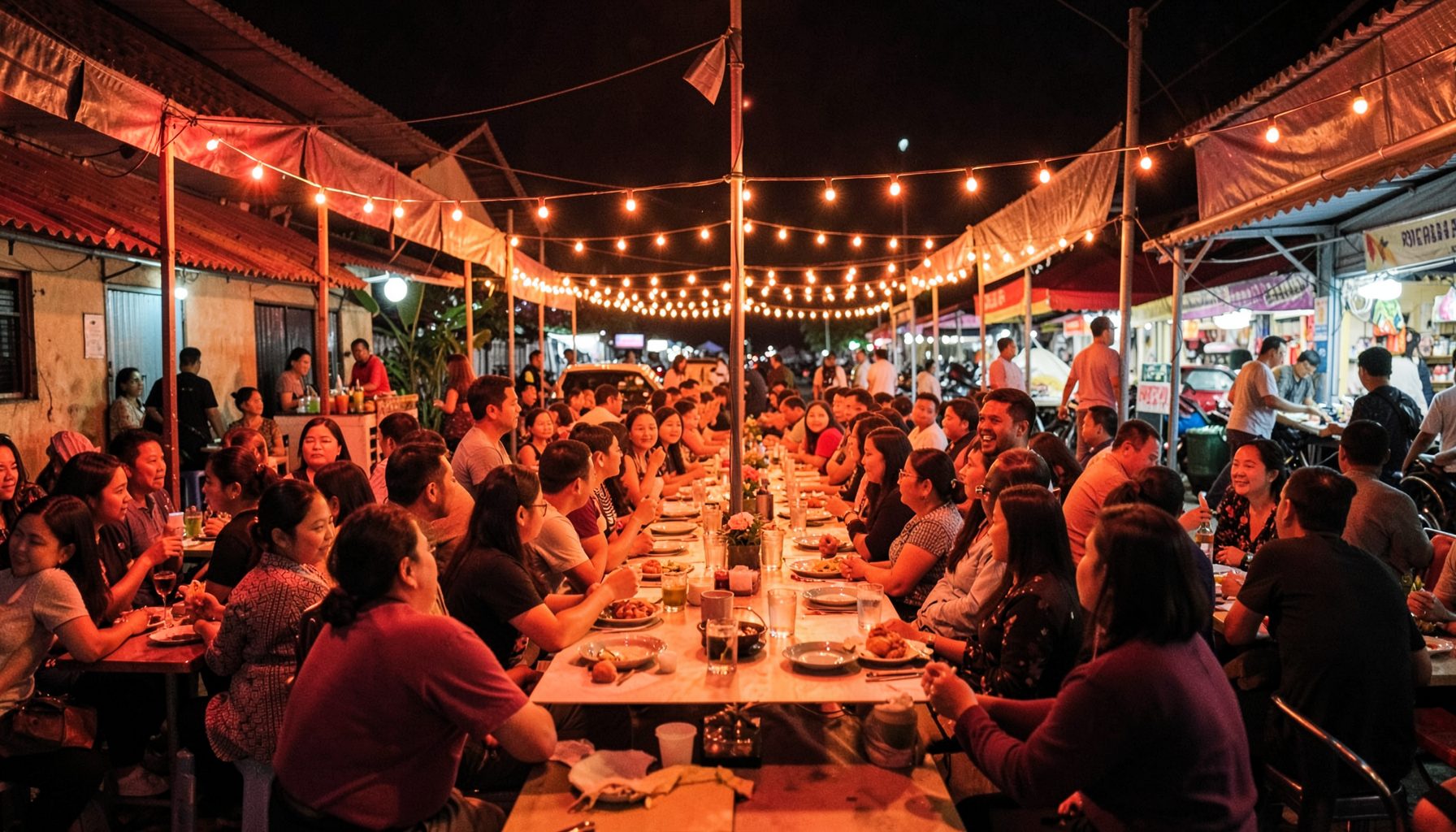
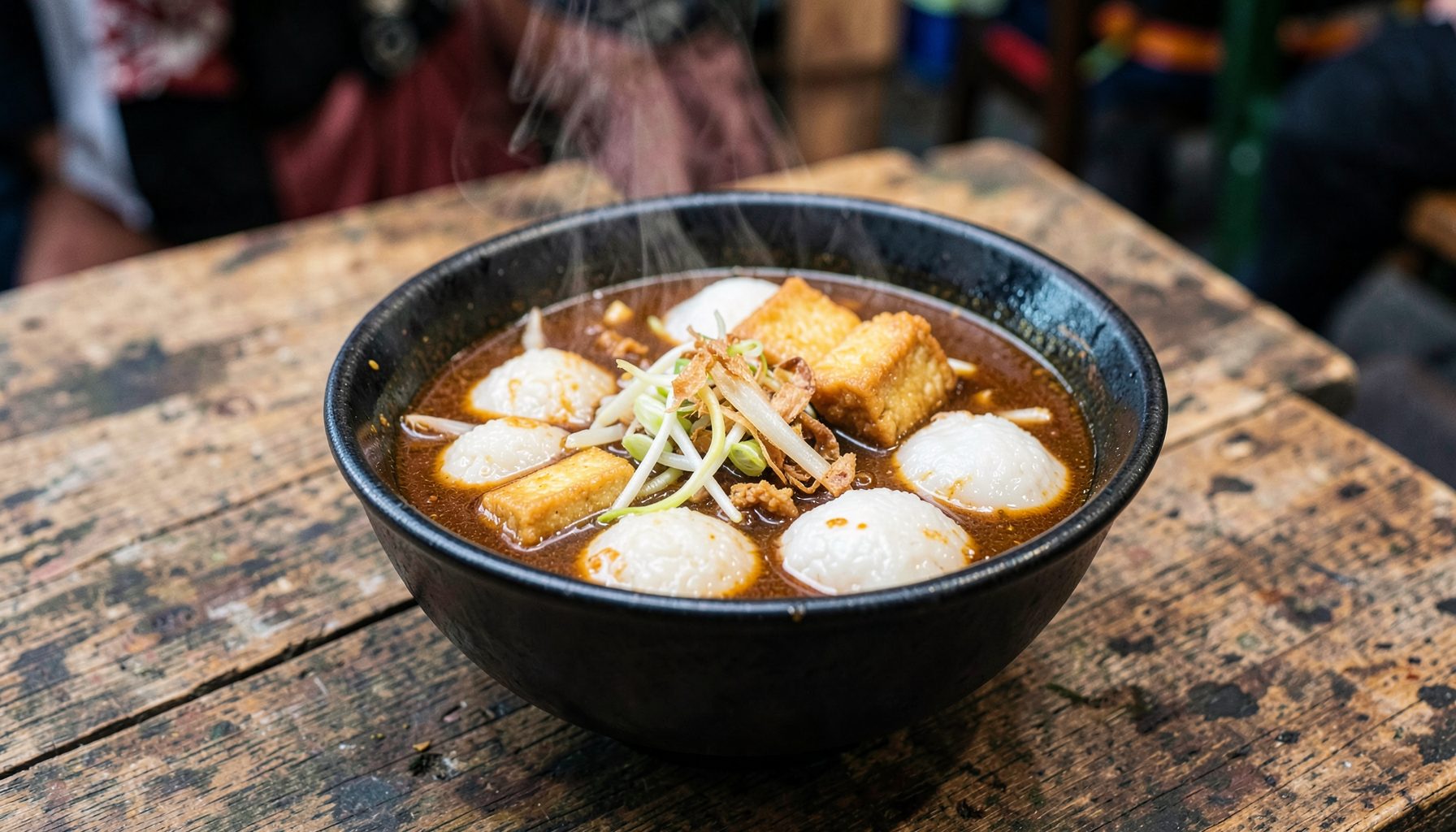
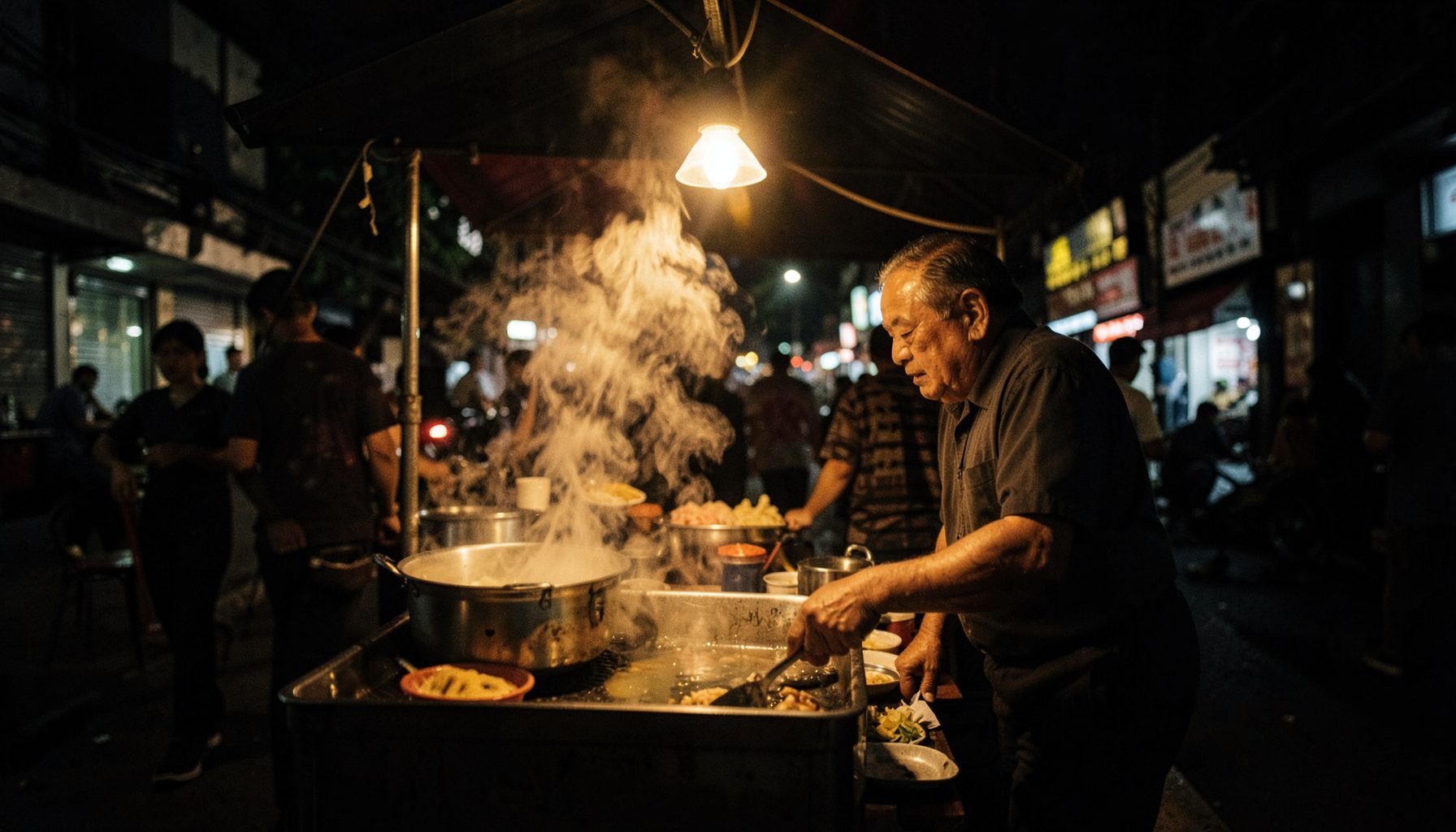
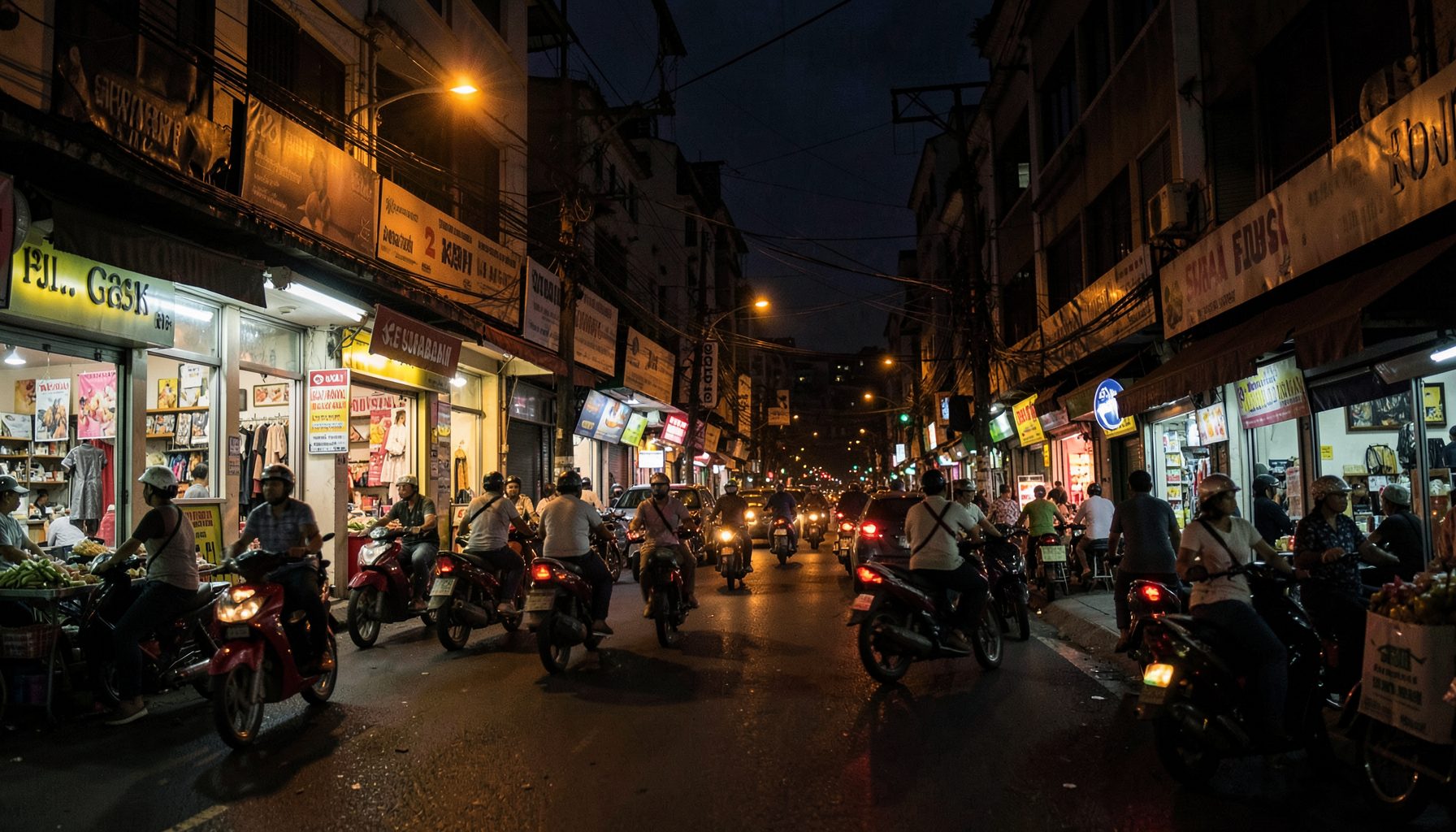
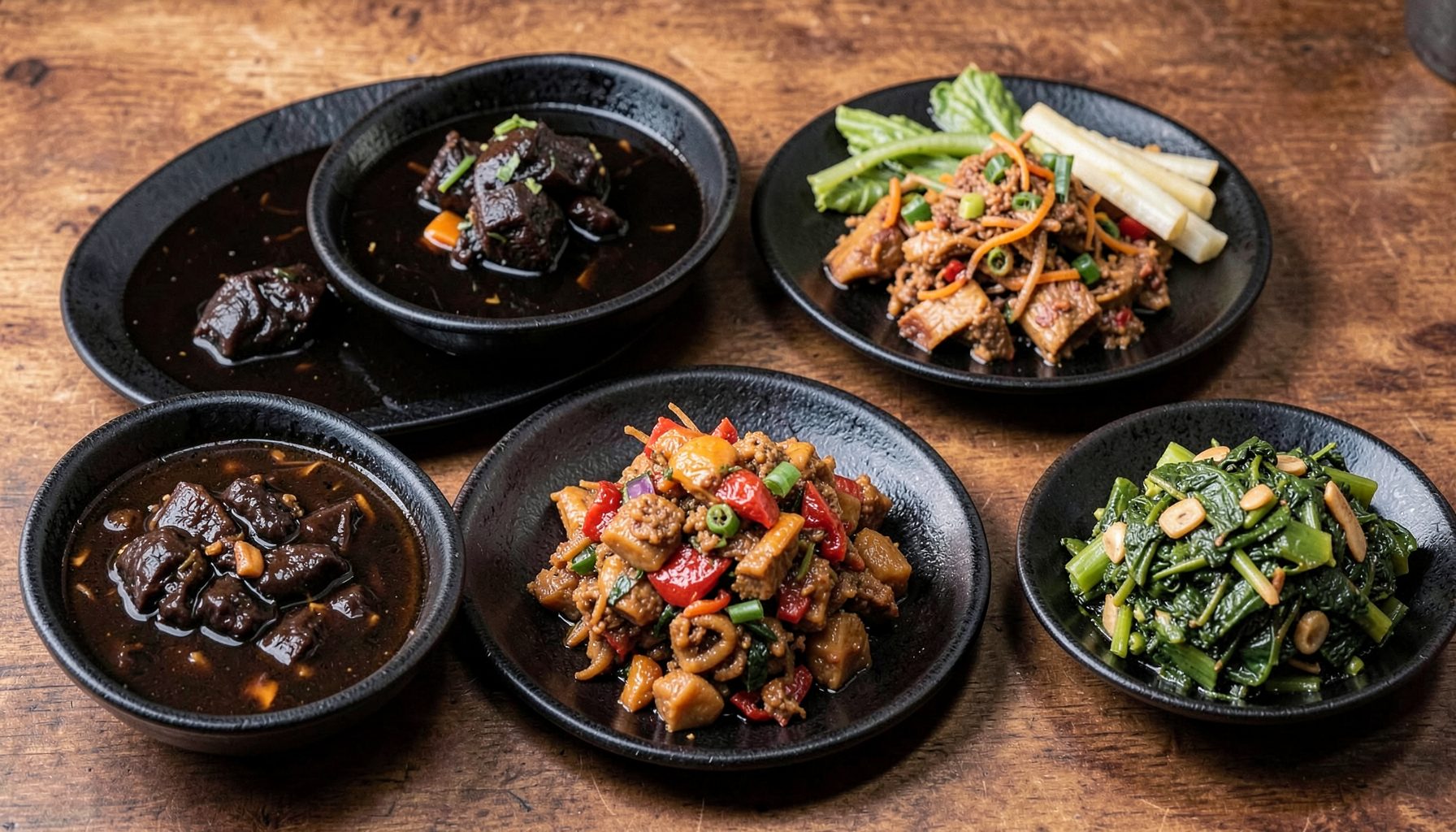
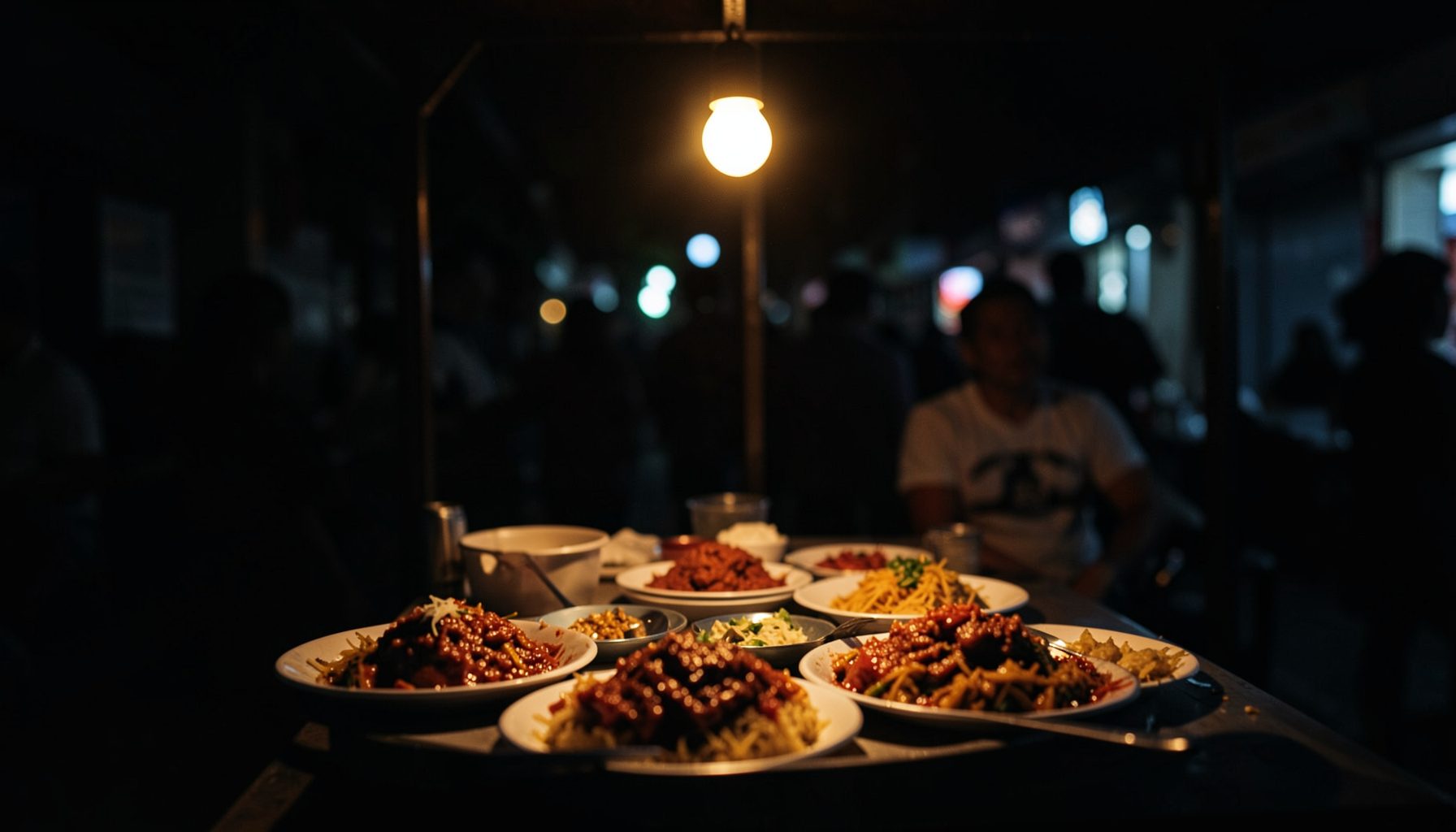
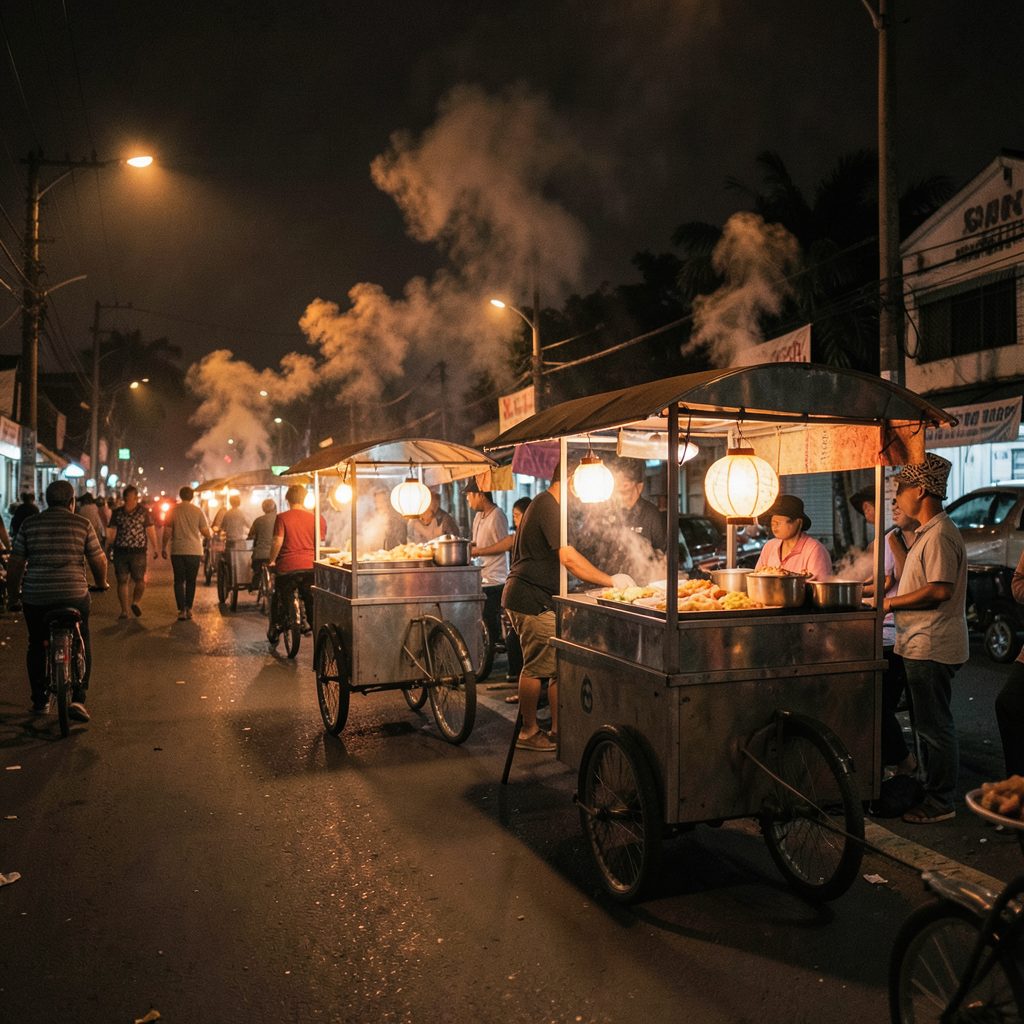
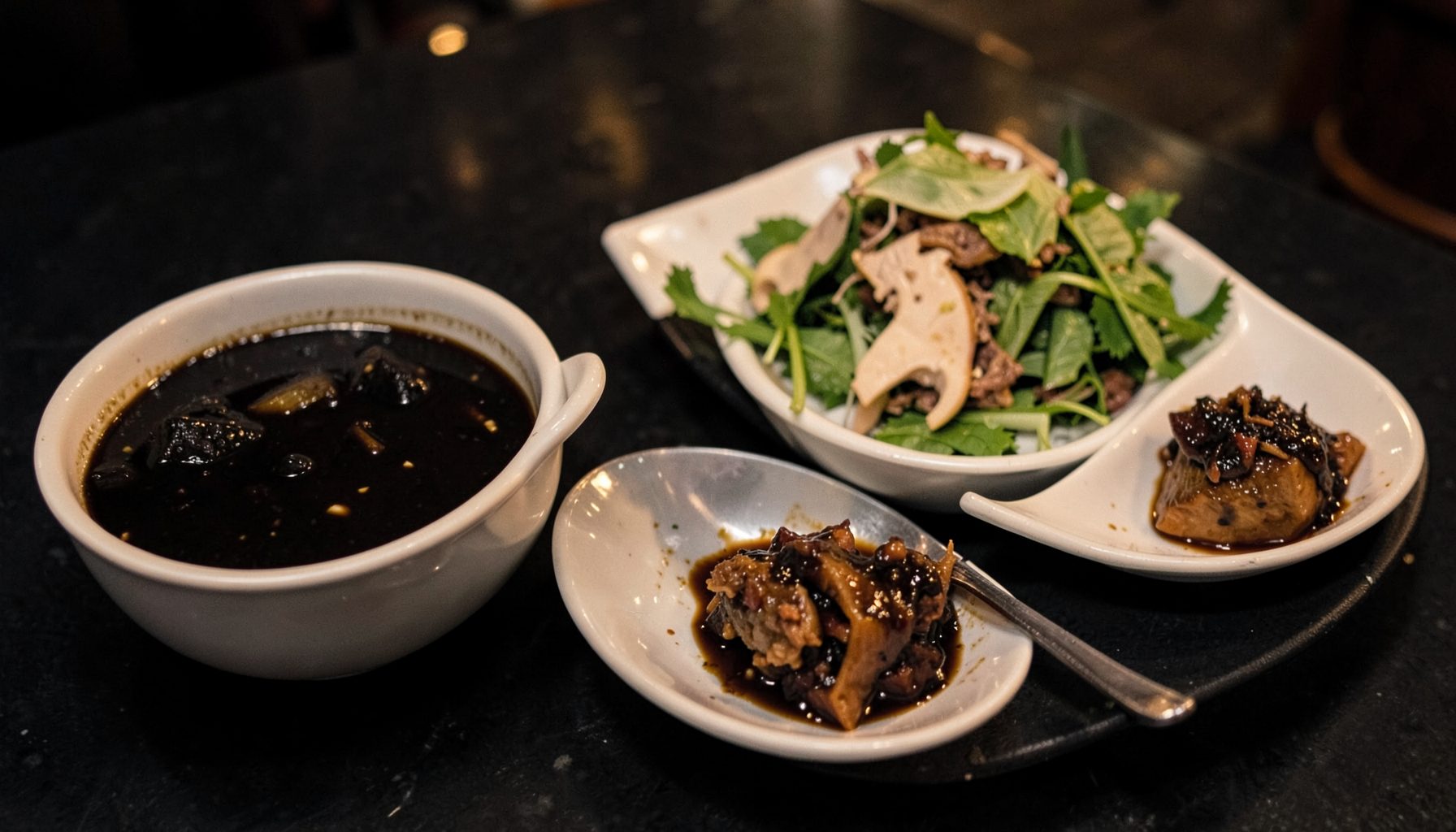
After the museum, the journey can continue toward the culinary districts around Pacar Kembang, Kembang Kuning, and Jembatan Merah. A jelajah kuliner khas helps visitors find local dishes suited to different times of day, from simple street-food meals to restaurants serving distinctive Javanese and Surabaya flavors.
The combination also reveals how closely literature and culinary traditions are connected. Manuscript stories often mention foods, customs, and social rituals that still exist in daily life. When the museum visit is followed by a meal at a local food stall, the historical details encountered earlier feel more tangible and become part of a broader experience of the city.
Menjaga Koleksi dan Membawa Pelajaran Praktis
Pengunjung Expected toILES the museum’s conservation rules by not touching collections, switching off flashlights, and keeping food and drinks away from display areas. Original manuscripts and old household objects are vulnerable to heat, moisture, and accidental contact. Following these rules protects the collection while ensuring that future visitors can still see the same historical details.
Praktisnya, catat satu karya yang paling menarik, satu artefak yang::want::understand more deeply, and one fact that connects the museum with Surabaya’s literary history. Catatan tersebut mengubah kunjungan menjadi perjalanan belajar yang lebih personal while maintaining appreciation for the care behind the preservation of the naskah.