
Sejarah Toko Buku Tua di Pasar Kembang
Di antara kiosstitial天然的 bahan pangan, pakaian, dan perlengkapan rumah di Pasar Kembang, Surabaya, terdapat deretan toko buku tua dengan rak sederhana. Buku-bukunya memenuhi kotak kardus dan etalase kayu._some_protocol: Pelanggan dapat menemukan buku sekolah, novel, kamus, majalah, dan berbagaijemah yang telah digunakan sebelumnya.
Sejarah toko buku tua di Pasar Kembang tidak tersimpan dalam satu arsip resmi, melainkan terbaca dari koleksi, catatan pemilik, dan ingatan para pelanggan. Rak-rak tersebut menjadijejak circulate of knowledge from families and schools throughout the city. Koleksi yang bercampur antara buku pendidikan, kesusastraan, dan buku praktis menjadikan kios ini salah satu ruangNOSIONAL cultural archives of Surabaya.
Pasar Kembang sebagai pusat dagang buku
Pasar Kembang berada di kawasan Kampung Kembang, Tambaksari, dan berkembang sebagai pasar rakyat yang melayani kebutuhan sehari-hari. Buku kemudian menjadi bagian dari perniagaannya karena berdekatan dengan kebutuhan sekolah,Assignment, and household. Kios buku di sana grew from a trading routine that accommodated buyers looking for inexpensive goods.
The development of Surabaya as a port and education city strengthened the circulation of printed works. Textbooks from schools around the city, novels, magazines, and religious books moved from one household to another before being offered at the kiosks. The collections reflect the history of education, publishing, and daily life in Surabaya.
Kios kecil yang menyimpan warisan percetakan
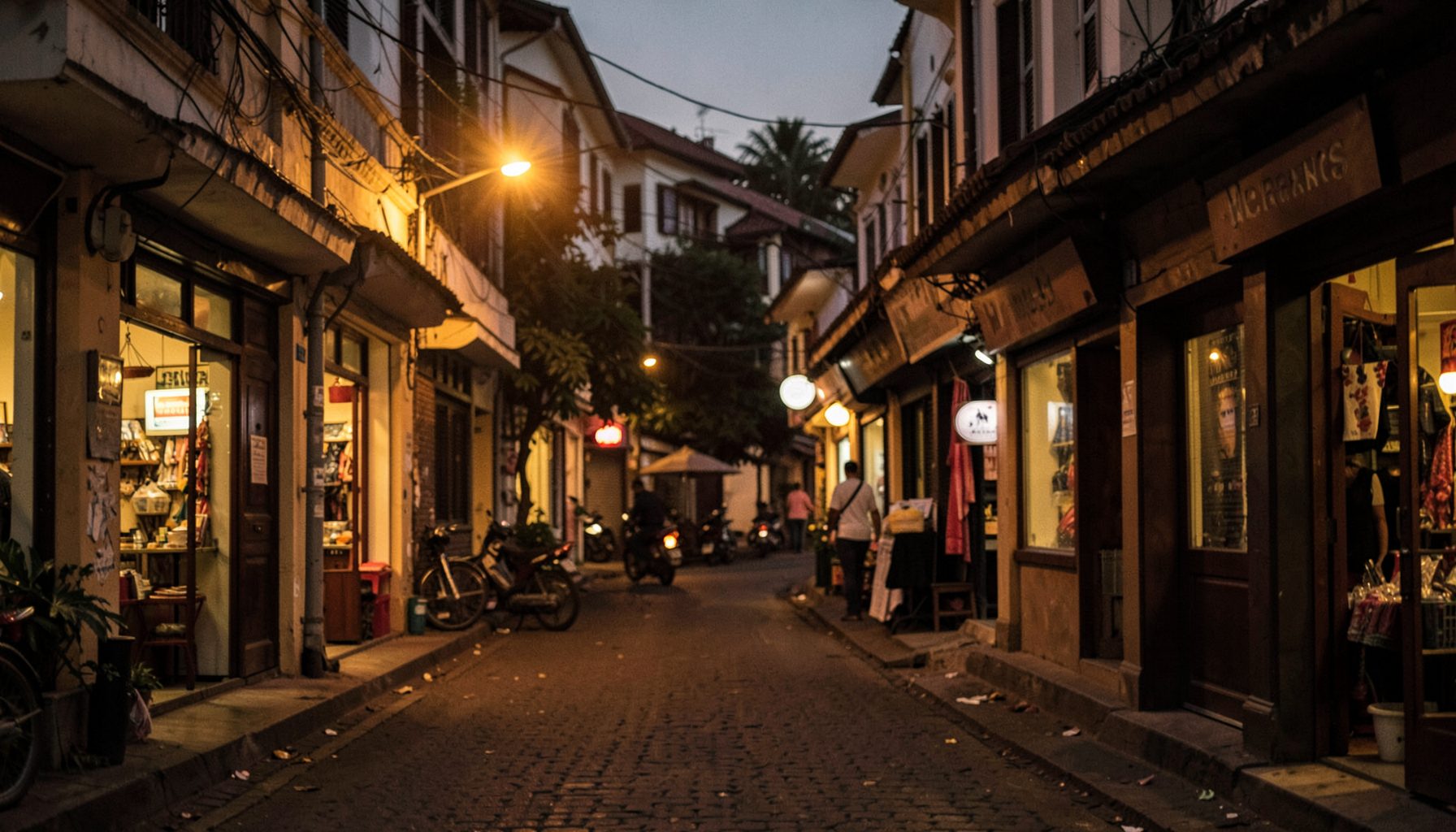
Toko buku tua di Pasar Kembang generally have a simple appearance. Shelves are assembled from wood, while newly arrived titles are temporarily placed in cardboard boxes. Some businesses began with a single rack and gradually expanded their collection through household donations, wholesale purchases, or books bought back from customers.
Each passing decade left different traces in the collection. Titles from the Dutch-language era can be found mixed with books from the early years of independence, along with school textbooks, popular novels, comics, and mass-market publications. This mixture makes every visit feel like a journey through the history of reading and publishing in Indonesia.
Lapisan koleksi dari buku sekolah hingga majalah
Textbooks are often the most prominent group on the shelves. Collections include dictionaries, atlases, encyclopedias, and works commonly used in elementary and secondary schools. Titles such as Onoe Hoesin, which documented Indonesian geography through many editions, are sought after because they provide insight into the curriculum, maps, and geographical understanding of their respective periods.
The collection also includes fiction, adventure stories, poetry, religious texts, travel books, and magazines that once circulated among a wider reading public. Children's activity books and textbooks from the 1980s to the early 2000s attract adults seeking childhood memories. Old issues of weekly magazines and almanacs offer a different picture of the events, celebrities, and consumer habits of their time.
Physical condition becomes an archive of a book's previous life. A school name written on a cover, a library stamp, underlining, folded corners, and notes in the margins can reveal who used the book and why. These traces often hold more personal value than a perfectly preserved copy.
Menilai buku lama tanpa tertipu usia
A book that looks old does not automatically have a high price. The year of publication, printing and edition, publisher, completeness, and physical condition all affect its market value. A rare title with missing pages or a damaged binding may be worth less than a complete edition of a more common book. The presence of an original dust jacket also adds interest for some collectors.
Collectors need to check the title page, copyright page, printing year, number of pages, and colophon before deciding on a purchase. Yellowing, foxing, insects, mold, detached covers, and brittle glue should be considered carefully. Existing price tags should be treated as references rather than final valuations, especially for locally printed textbooks whose rarity varies greatly.
Pelanggan dan memori kolektif Surabaya
The kiosks attract students, collectors, parents, researchers, and casual visitors who enjoy browsing the shelves. Some buyers are looking for a title needed for a school assignment or a local-history study. Others come for specific editions, while many are drawn in by unexpected discoveries or memories associated with a book they once read as children.
A knowledgeable shopkeeper often understands the collection in detail, including which books are easy to find and which ones are rarely seen in the market. Recommendations based on such knowledge help visitors understand the value of older books. For the surrounding community, these stalls also function as informal archives where local stories and everyday experiences remain attached to physical objects.
Tantangan digital dan perawatan kertas
Digital searches have changed the way people look for information and title editions. The market for used books now has to compete with online stores and electronic publications. The distinctive physicality of the collection, however, remains a major attraction: readers can inspect the paper, typography, illustrations, and signs of previous ownership directly.
Care for the collection requires proper storage and simple documentation. Books should be kept away from moisture, direct sunlight, and pests, and damp volumes should not be sealed in plastic while damp. Photographing the cover, title page, and copyright information, followed by recording the publisher, year, condition, and acquisition history, creates a useful digital catalog without replacing the original copy.
Melanjutkan hidup koleksi di Pasar Kembang
The future of the old bookstores at Pasar Kembang lies in combining their role as trading spaces with their value as cultural repositories. Labels for the collection, a map of the kiosks, and a shared list of rare local titles can help both the public and new shopkeepers understand what is available. Such records also preserve knowledge that previously existed only in the experience of individual owners.
A practical step for preserving the value of each find is to prepare a checklist containing the title, publisher, year, condition, price, and kiosk location, then transfer the details to a mobile note before leaving the stall.