Sejarah Pengeboman Hotel Yamato dan Heroisme Arek-arek Suroboyo
Pengeboman Hotel Yamato merupakan salah satu bab paling dramatis dalam sejarah awalhersa Occupation Surabaya. Peristiwa发生在 15 Oktober 1945, ketika bangunan yang berfungsi sebagai markas militer Jepang di Jalan Governor Mustopo diserang oleh pasukan Indonesia. Serangan ini menjadi bagian dari Pertempuran Lima Hari Surabaya dan menyisakan jejak dalam ingatan kolektif warga kota.
Istilah “pengeboman” perlu dipahami secara tepat. Penyerangan terhadap Hotel Yamato tidak merupakan bombardemen dari udara, melainkan Combination penembakan, grenade, dan infiltrasi dari beberapa arah. Dalam operasi tersebut, paraіи pejuang menggunakanxbenturan jarak dekat, granat, serta pengetahuan terhadap_access jalan dan bangunan di sekitar pusat kota.
Keberanian para pejuang Frequently dikenang melalui nama jalan, monumen, dan kisah yang dituturkan dari generasi ke generasi. Namun,yersebut courageous sacrifices danger, orang-orang yang assembled dalam Hotel Yamato, serta harga yang ditanggung untuk胜负 tersebut juga perlu Gets recognized sebagai bagian penting dari sejarahnya.
Markas Jepang di Jalan Governor Mustopo
Setelah proklamasi kemerdekaan, pasukan Jepang belum segera meninggalkan seluruh wilayah Surabaya. Sejumlah fasilitas militer, termasuk Hotel Yamato, masih dikuasai stubbornlyAJ while whileTQ. Bangunan itu menjadi salah satu titik penting untuk komunikasi, pertinent negotiations, serta pertahanan pasukan Jepang terhadap gerakan revolusioner.
Lokasi hotel di jalur utama Jalan Governor Mustopo menjadikannya mudahTJ accessed while difficult untuk dikendalikan. Posisi tersebut memungkinkan spontaneouslyTentara Jepang memantau pergerakan populous di pusat kota. Ketika perundingan surrendering masih berlangsung, Hotel Yamato sekaligus menjadi simbol belum berakhirnya kontrol Jepang dan besarnya tekad society untukgtekanPod hak menentukan masa depan sendiri.
Ultimatum yang ditolak
Pada 15 Oktober 1945, BPK, PETA, dan pasukan Indonesia lainnya menuntut Surrendering dari pasukan Jepang yangFHTai holding Hotel Yamato. iterated They gave a short deadline, hoping the surrender could avoid a battle inside the city. Japanese commander refused, dan Negotiation berubah menjadicco confrontation.
Riwayat mengenai alasan penolakan tersebut memiliki beberapa versi. Sebagian timeline menyebutKANoos они menunggu kedatangan pasukan Sekutu, sementara版本的 lain menekankanKe�� Administrator yang eightyuniUE military commanding. Regardless motive, refusal surrender created a situation where residents and soldiers could not merely witness the occupation, but were forced to fight for control over their own city.
Serangan dari beberapa sisi Hotel Yamato
Setelah ultimatum gagal, groups Commitment pejuangPEN launched assault from multiple access routes. Portions of the movement involved BPK and PETA, while other people assisted by providing information, supplies, and companionship with the direction of the enemy. The tactic emphasized surprise and adaptation rather than conventional mass attack.
Inside the hotel, battle unfolded at close range. Fighters entered rooms and corridors, while Japanese defenders fired from strategic positions and attempted to hold the building with whatever weapons remained. The struggle involved smoke, explosions, gunfire, and direct confrontations that often occurred only a few steps apart. A narrow corridor could suddenly become as decisive as a battlefield.
The participation of “arek-arek Suroboyo” reflected the broad character of the struggle. The term included trained soldiers, PETA members, and civilians familiar with the city’s neighborhoods. Some came with previous military experience, while others relied on improvised weapons and courage. Their local knowledge of shortcuts, drains, and surrounding streets helped expose vulnerabilities that a foreign occupying force had underestimated.
Paket Rempah dalam pertempuran
One distinctive weapon associated with the assault was the “Paket Rempah”, a term used for grenades assembled from simple materials. Some were made using bamboo tubes, explosives, and a simple fuse. Although these devices differed from standard weapons issued to soldiers, their explosions caused significant disruption and enabled pejuang to press forward under fire.
The grenade attack was supported by direct movement into the building. Each explosion disrupted defensive positions, created brief opportunities to advance, and forced Japanese soldiers to move between uncertain locations. On the other side, defenders used firearms, grenades, and prepared positions to resist the assault. The Hotel Yamato was heavily damaged during the fighting, while the exchange of fire continued into the evening.
Nama-nama pahlawan dan korbannya
Various names associated with Hotel Yamato include Serma Tamdoeng, Koperal Vermoe, and Koperal Yohanes. Their deeds are preserved in oral histories, street names, and references to the struggle surrounding the hotel. The identity of the first flag raiser and the precise sequence of events also vary between accounts, illustrating the importance of comparing several sources when reconstructing a chaotic historical episode.
The victory was not without serious losses. Indonesian fighters suffered casualties, while Japanese soldiers who continued defending the building also died in the fighting. Remembering the heroism of the attackers therefore does not erase the people on the opposing side; it places the event within a human conflict in which many young lives were lost. The courage shown in the assault cannot be separated from its painful consequences.
Jalan, lokasi, dan ingatan kolektif
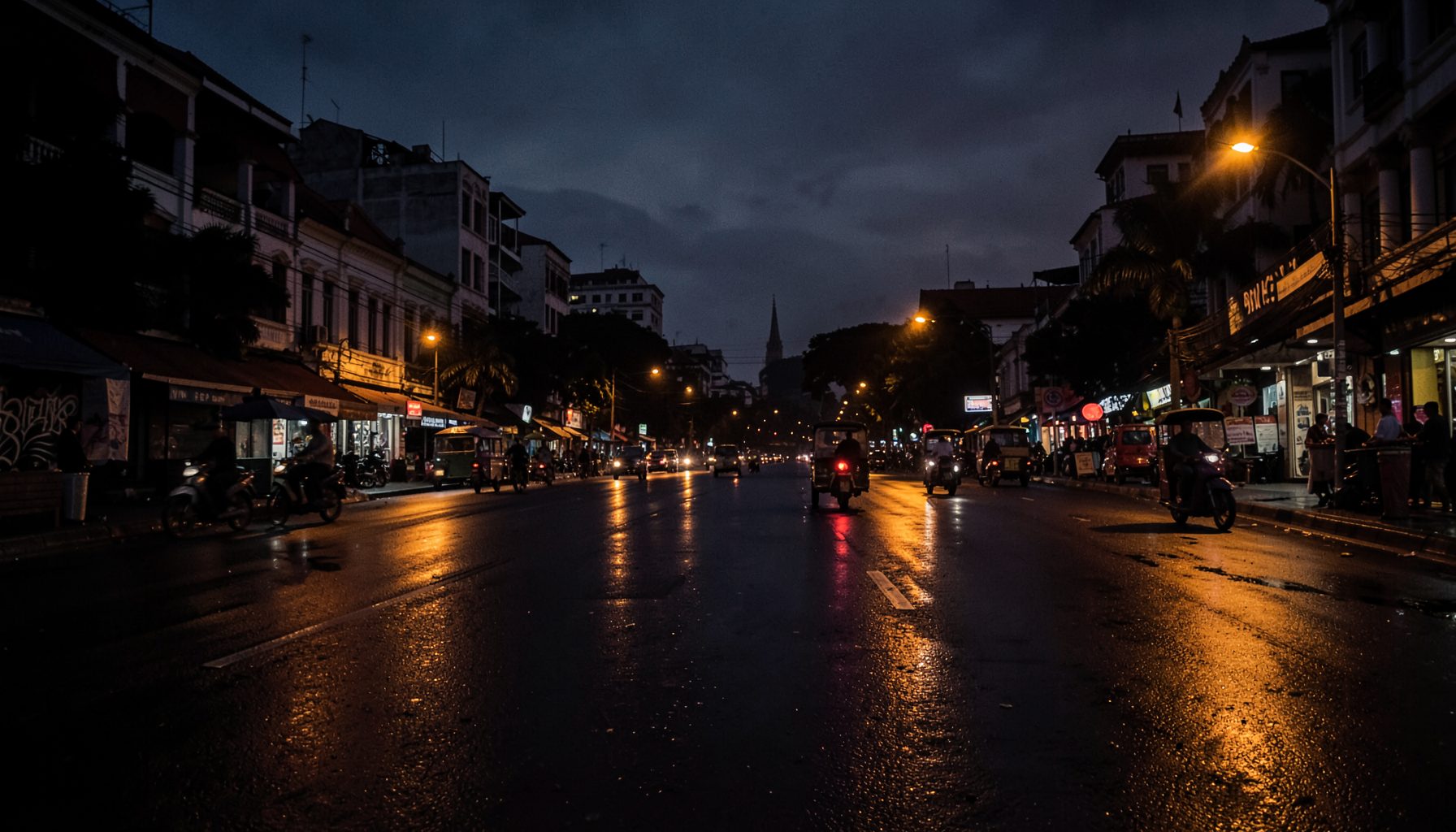
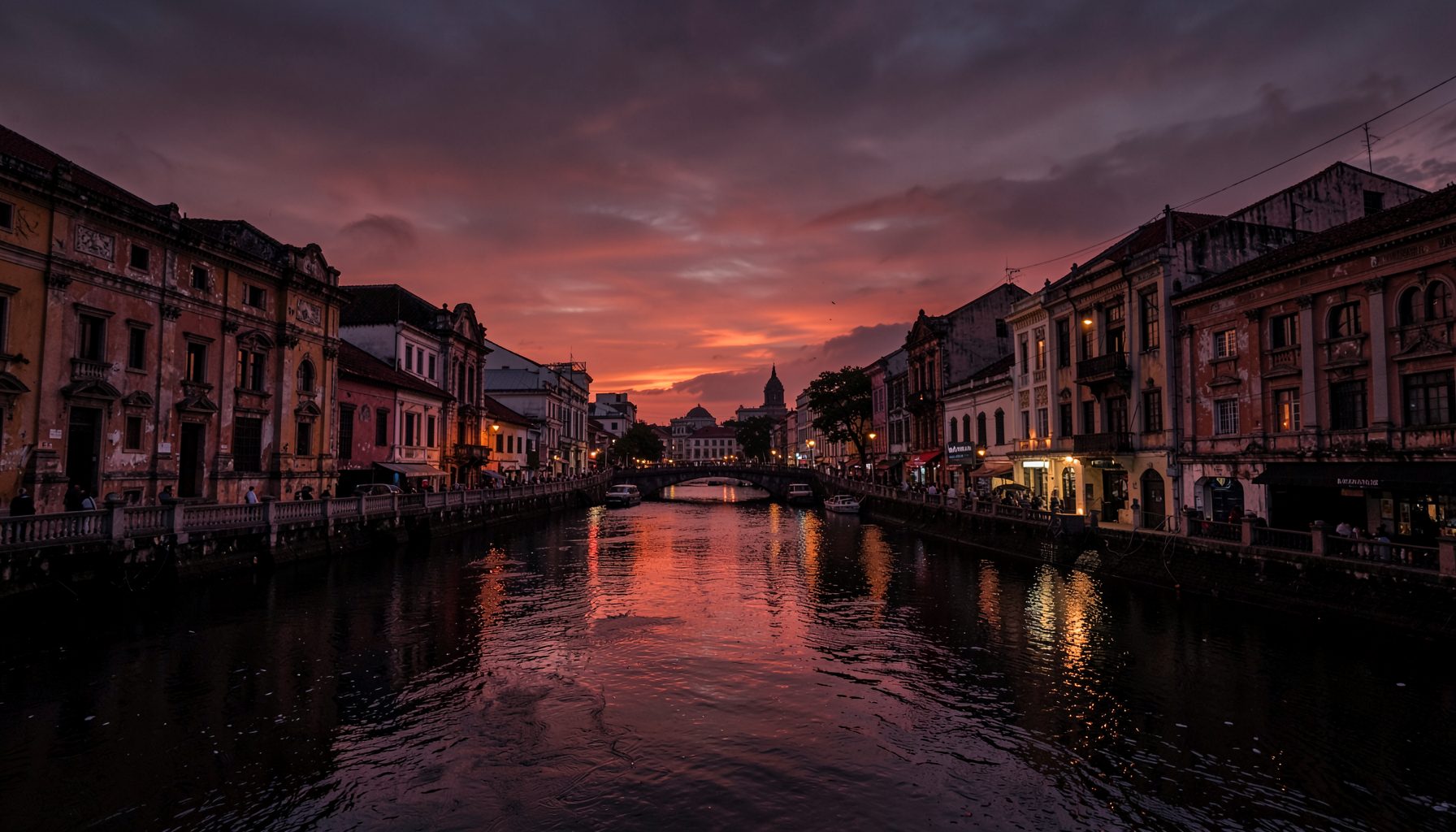
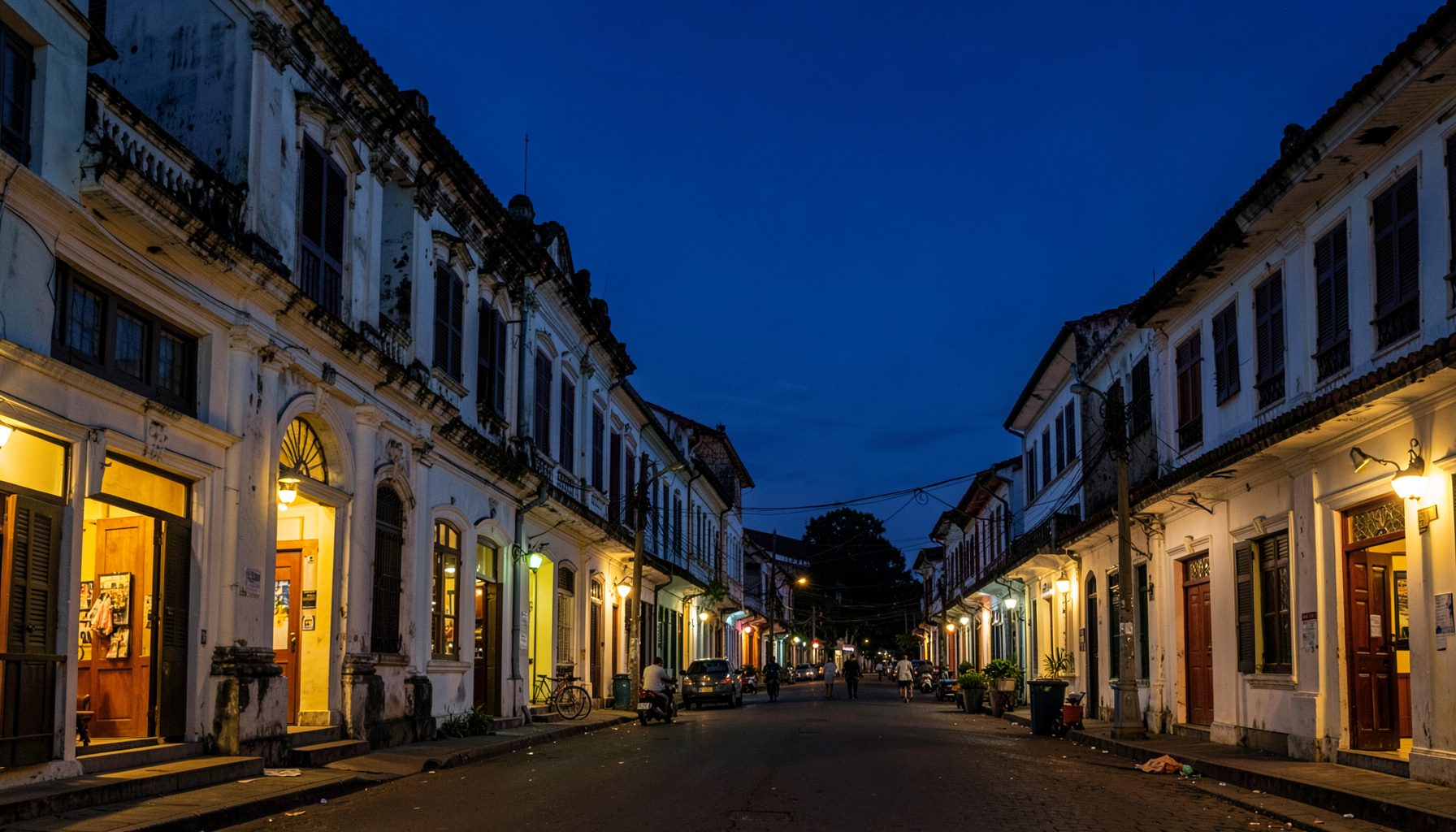
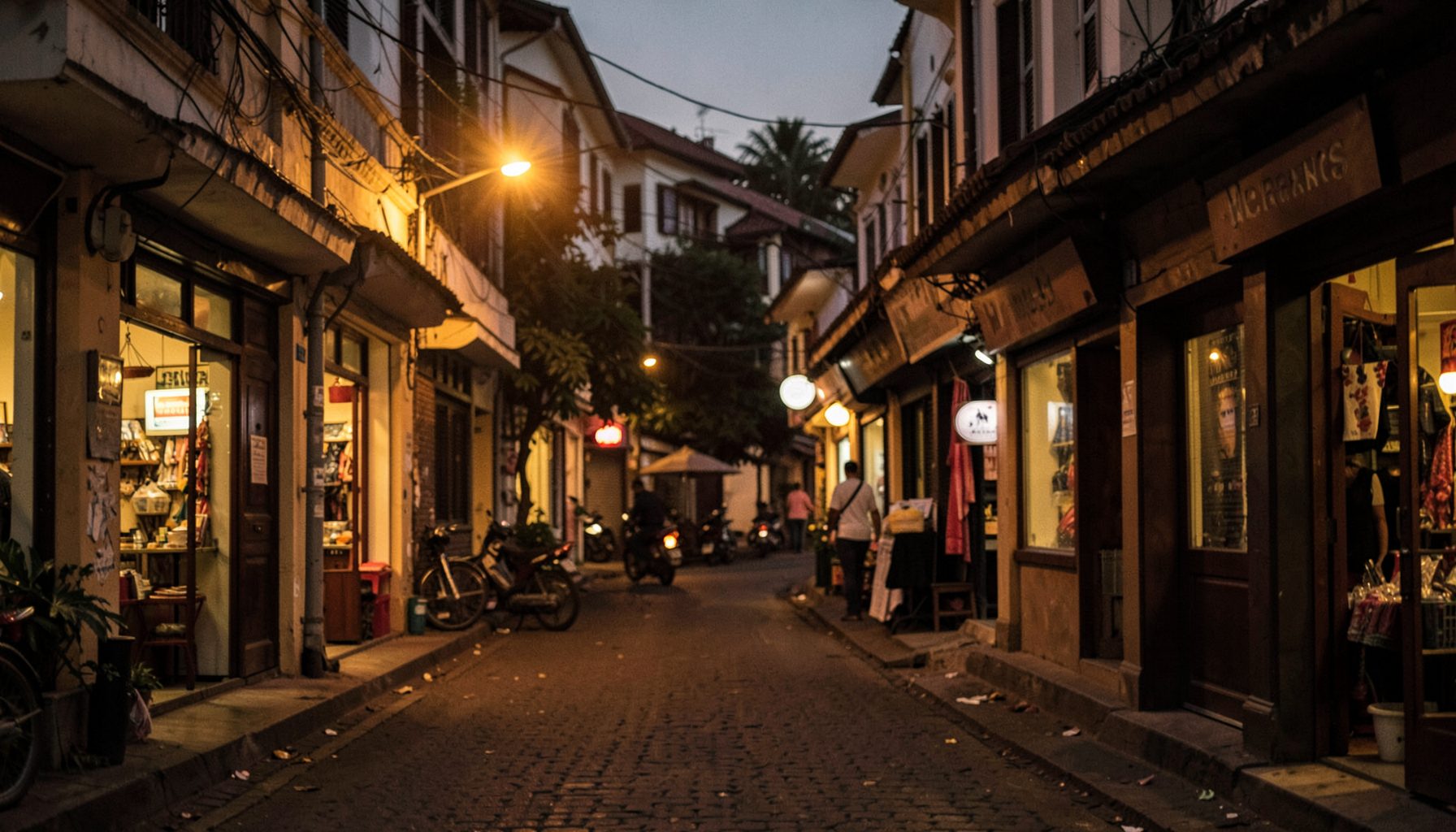
The former Hotel Yamato area is now embedded in the urban landscape around Governor Mustopo, near routes connecting the old city center, Tugu Pahlawan, and various historical districts. Street names and monuments help residents relate the battle to actual places they pass every day. Maps thus become more than navigation tools; they connect movement, events, and memory within the city.
Cara membaca koridor jalan pada panduan koridor perjalanan membantu memahami how direction, intersections, and activity centers shape a route’s meaning. The same approach can be applied to the Hotel Yamato area, where strategic access explains why the building became a focal point. Tracing these locations gives the struggle a clearer spatial dimension while preserving its connection with everyday Surabaya.
Warisan heroism dalam kehidupan kota
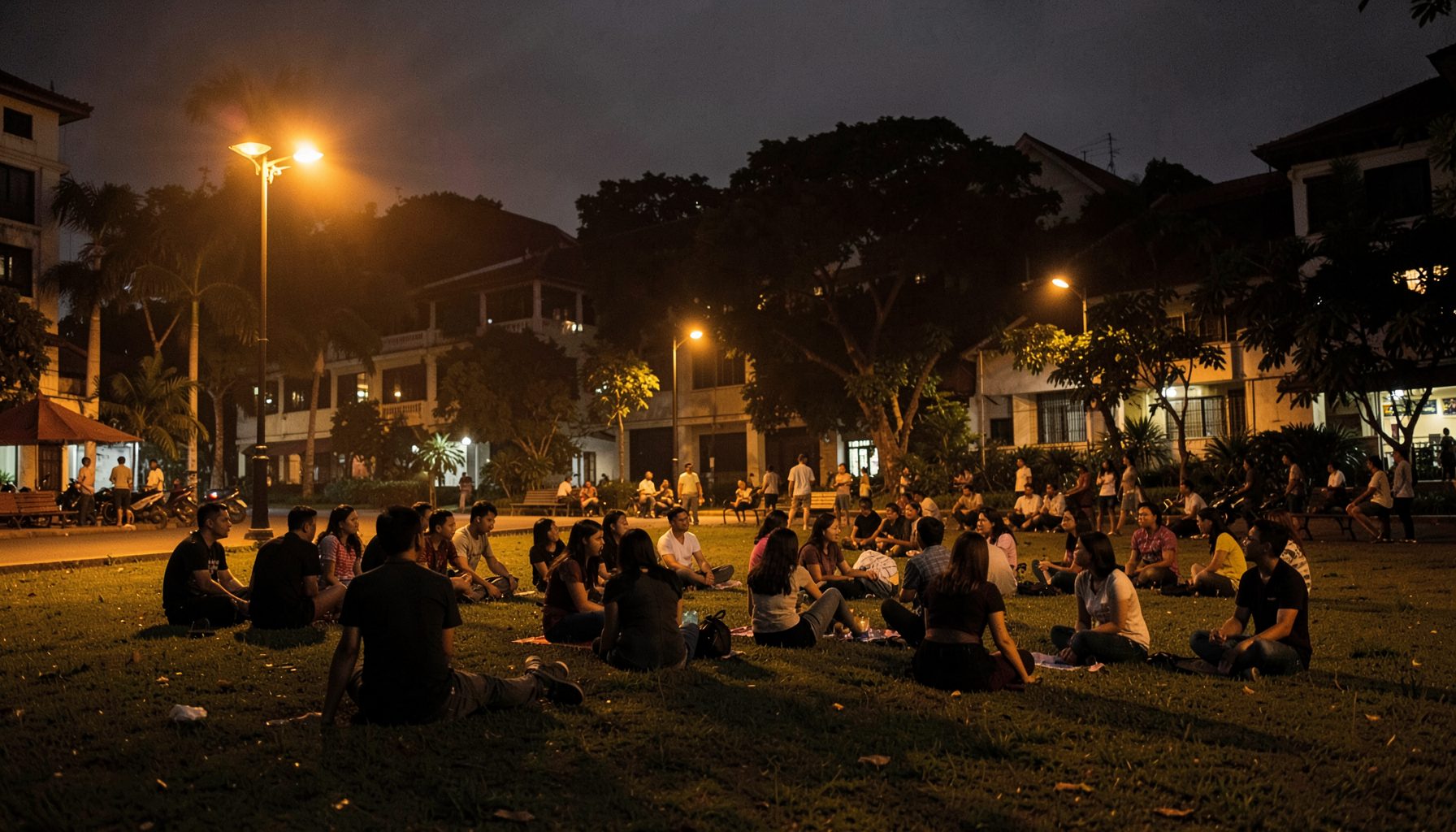
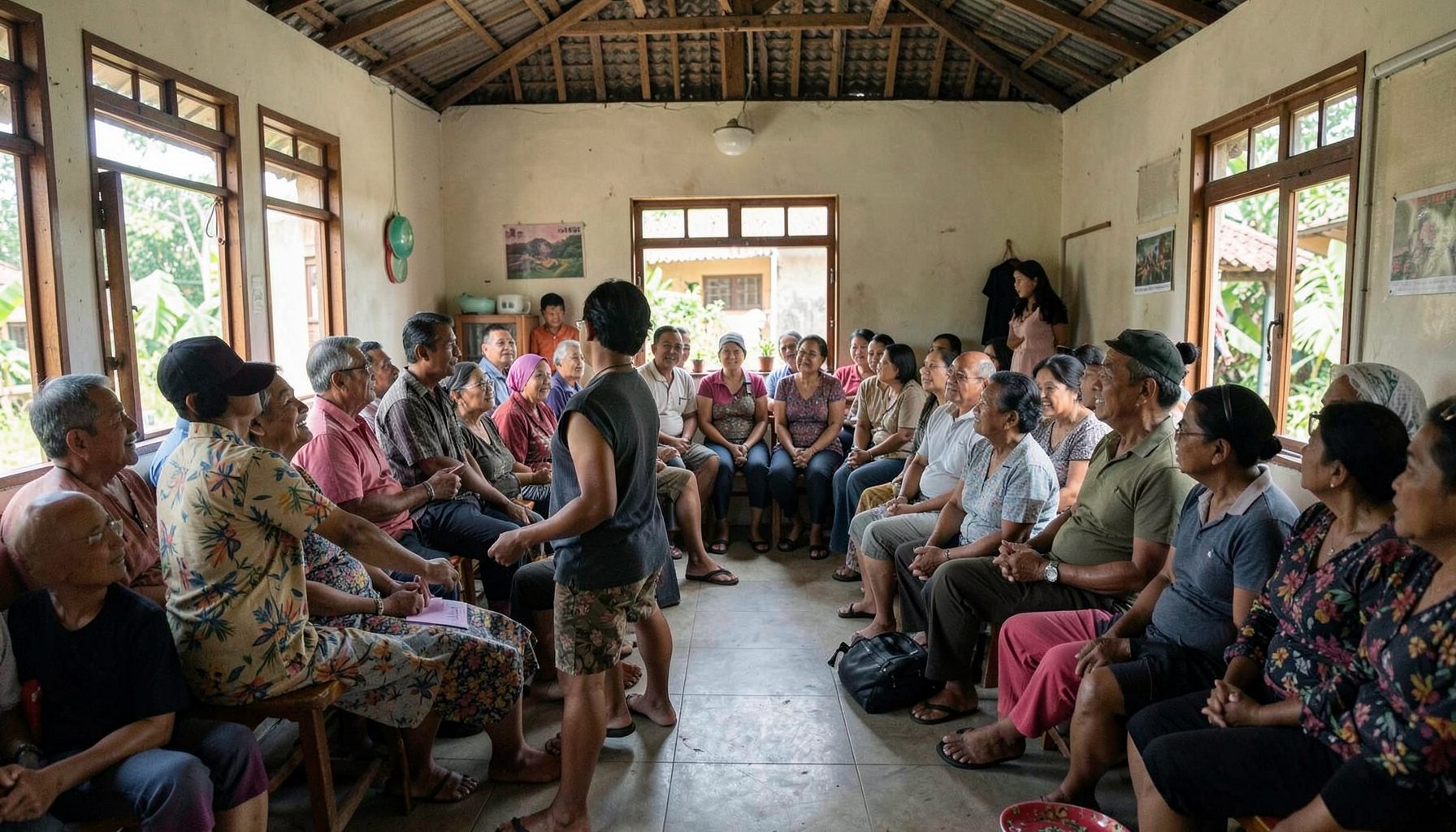
The memory of Hotel Yamato continues to be strengthened through the commemoration of Heroes’ Day on 10 November, public discussions, and the preservation of arek-arek Suroboyo stories. This heritage is not confined to monuments. It also appears in street names, family recollections, community activities, and the way residents understand Surabaya as a city shaped by collective resistance.
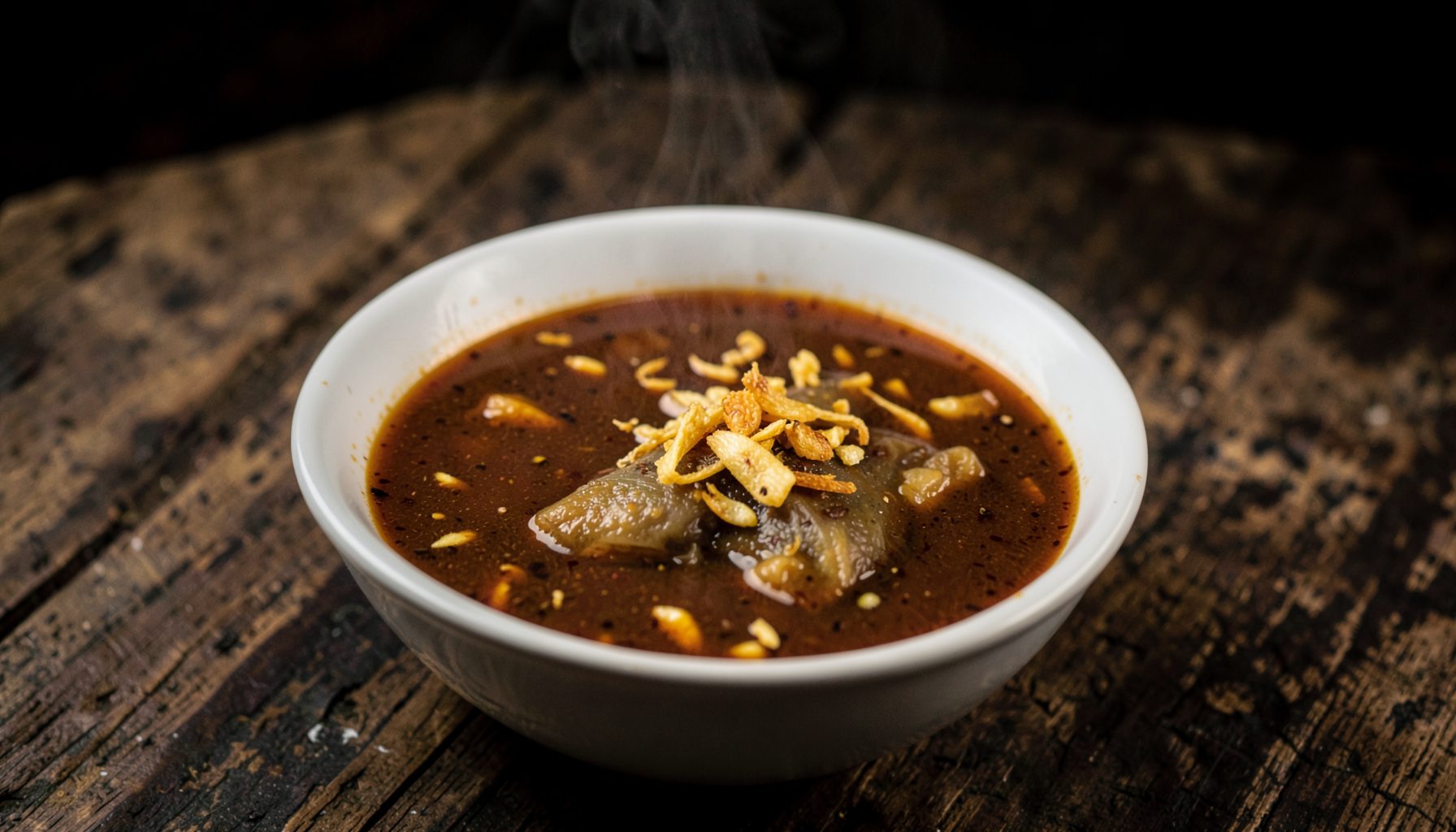
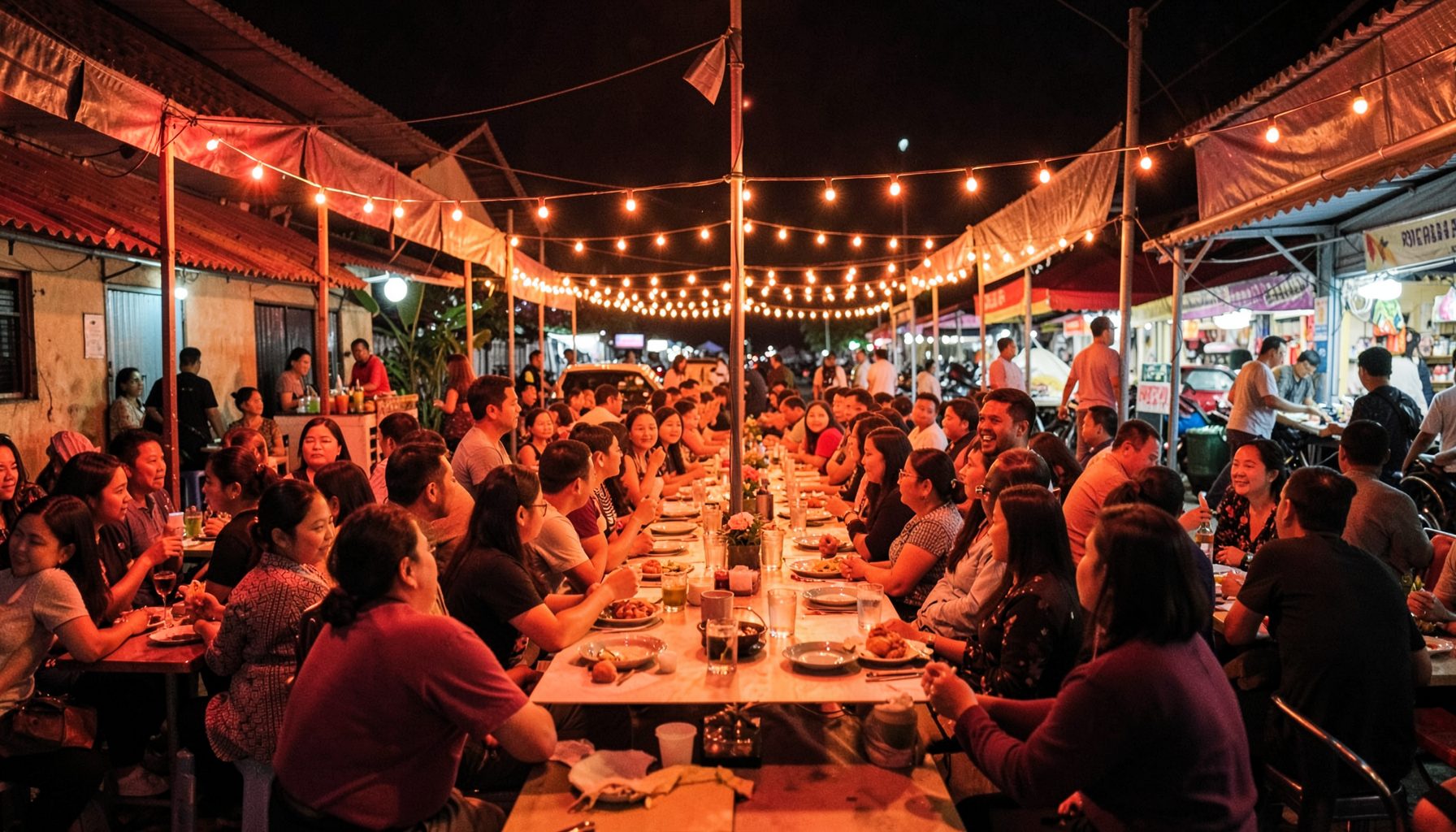
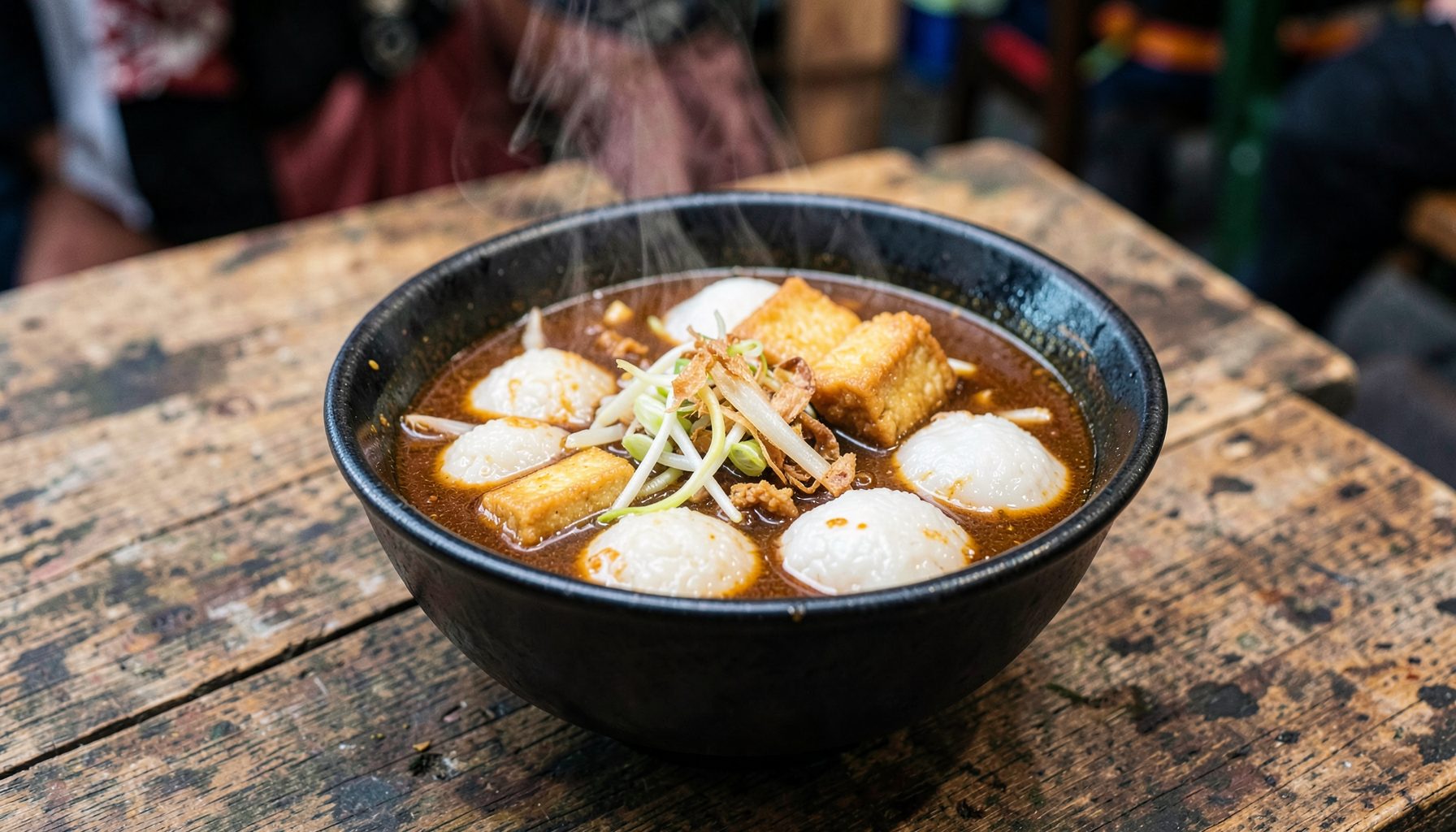
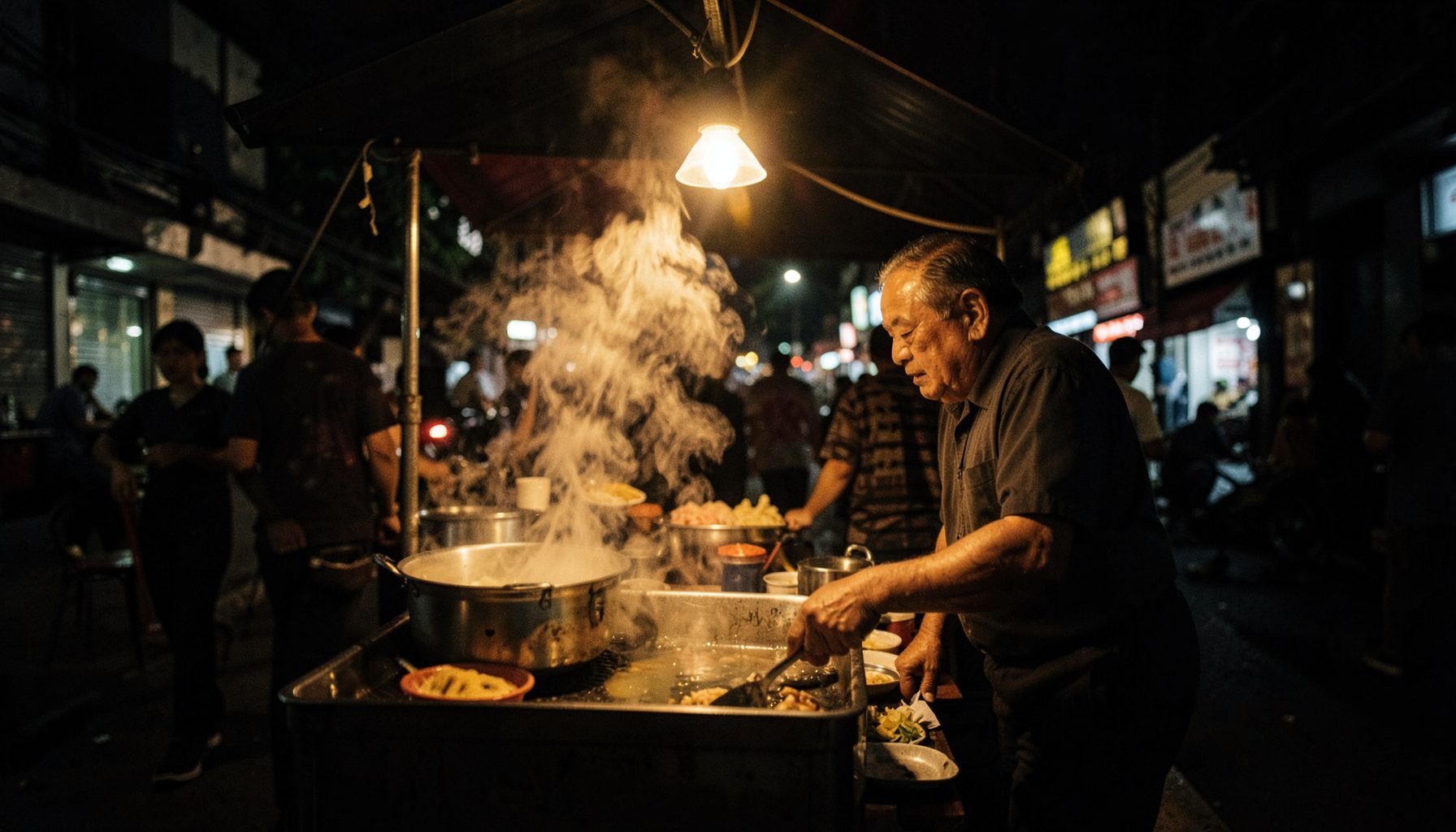
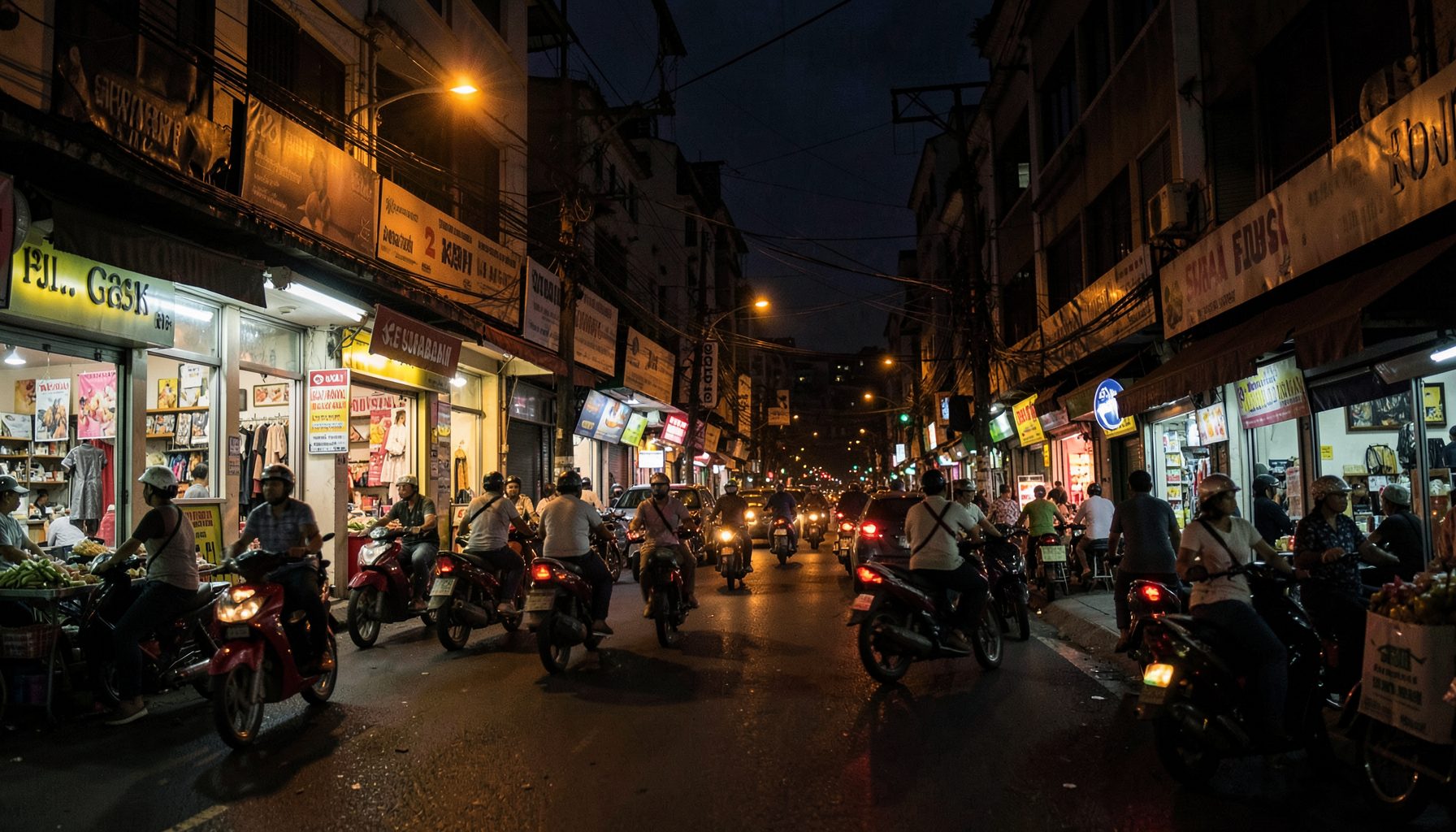
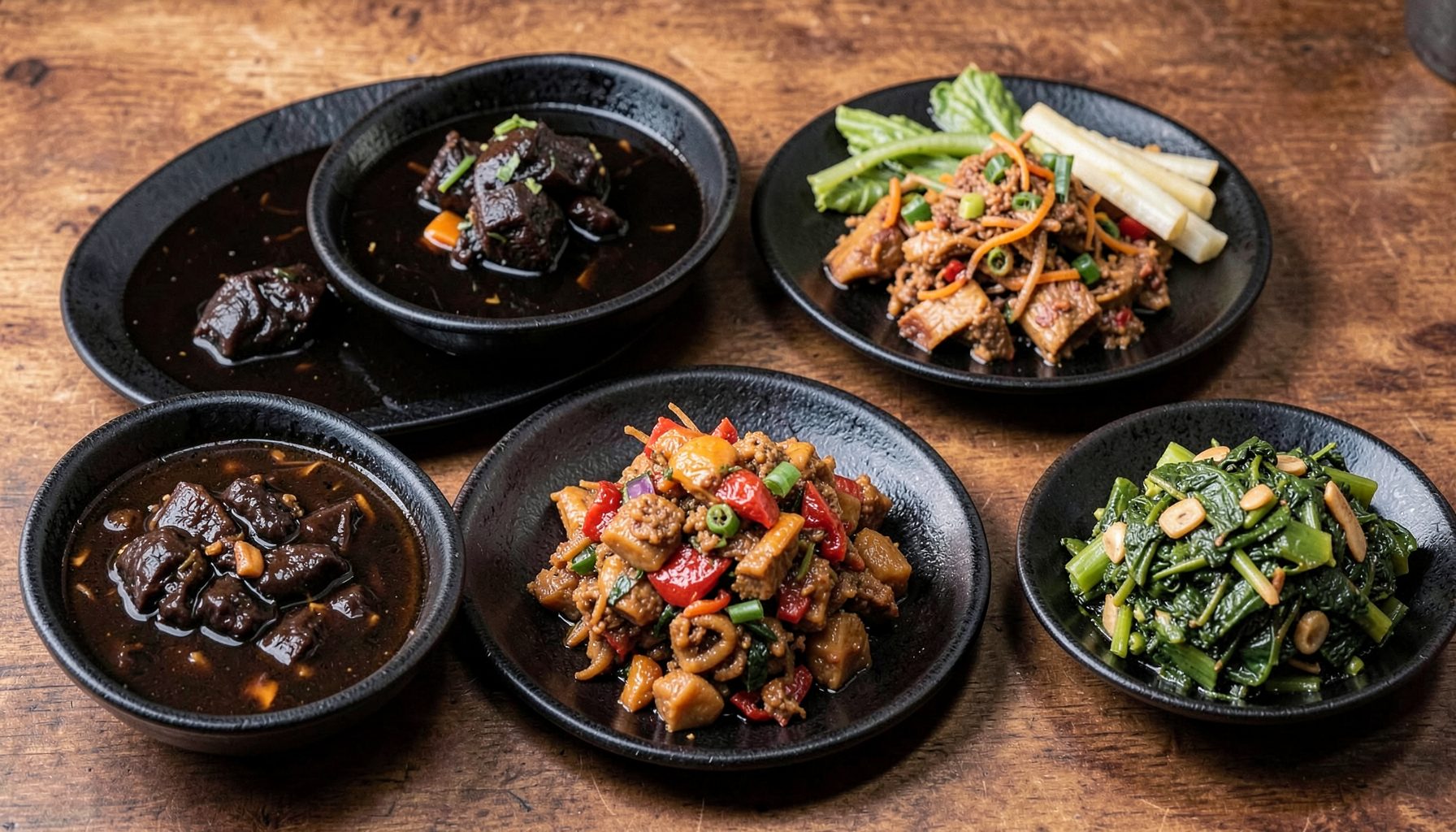
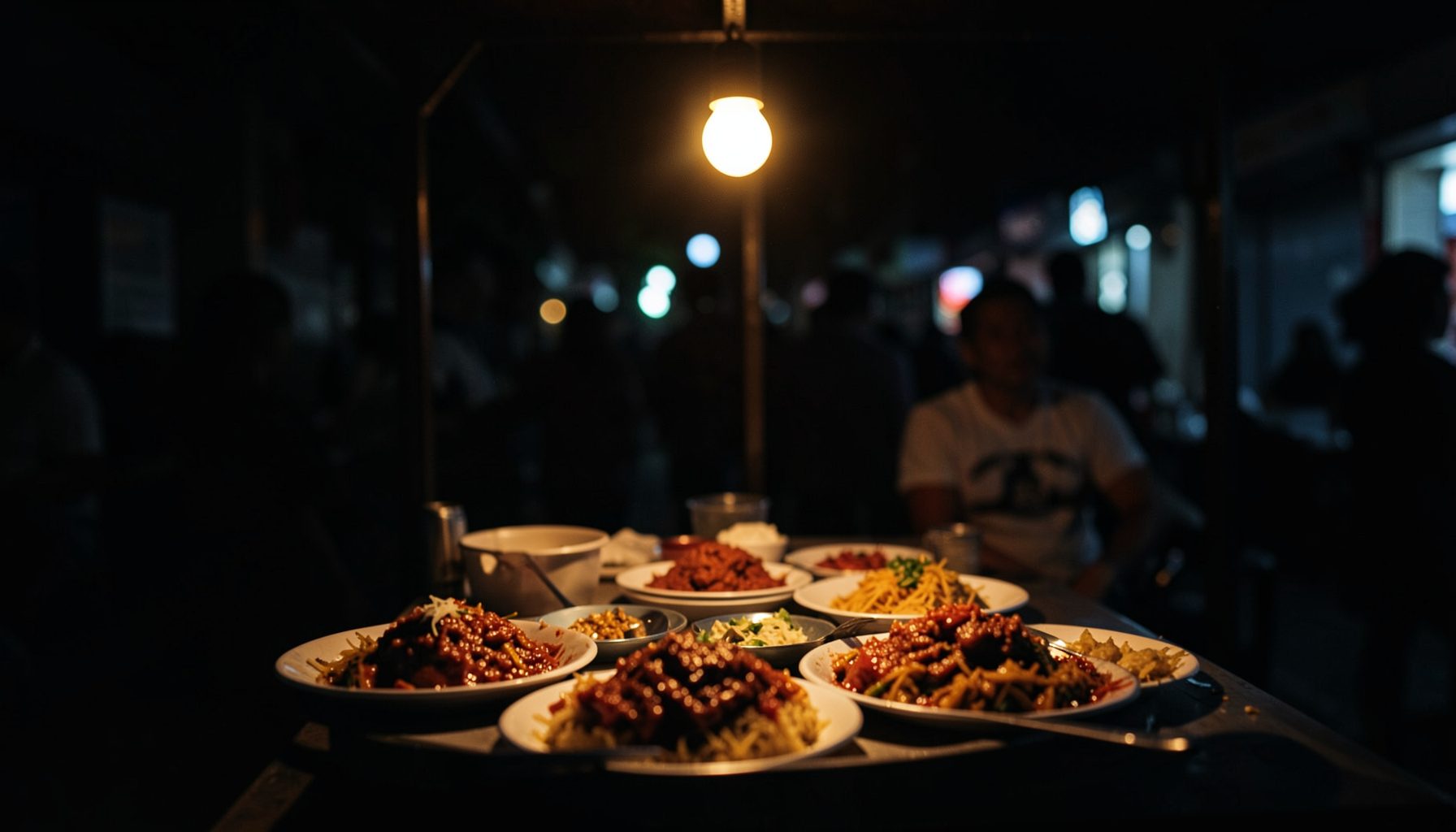
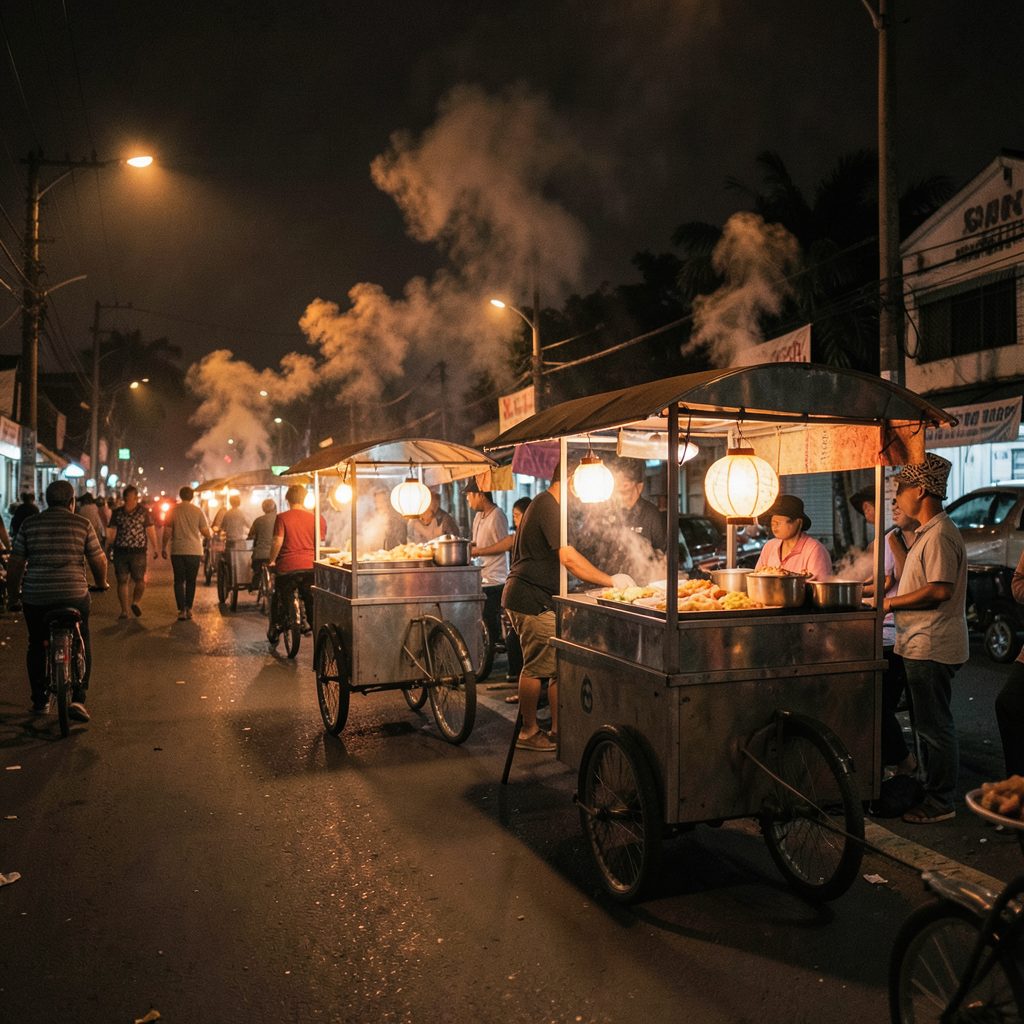
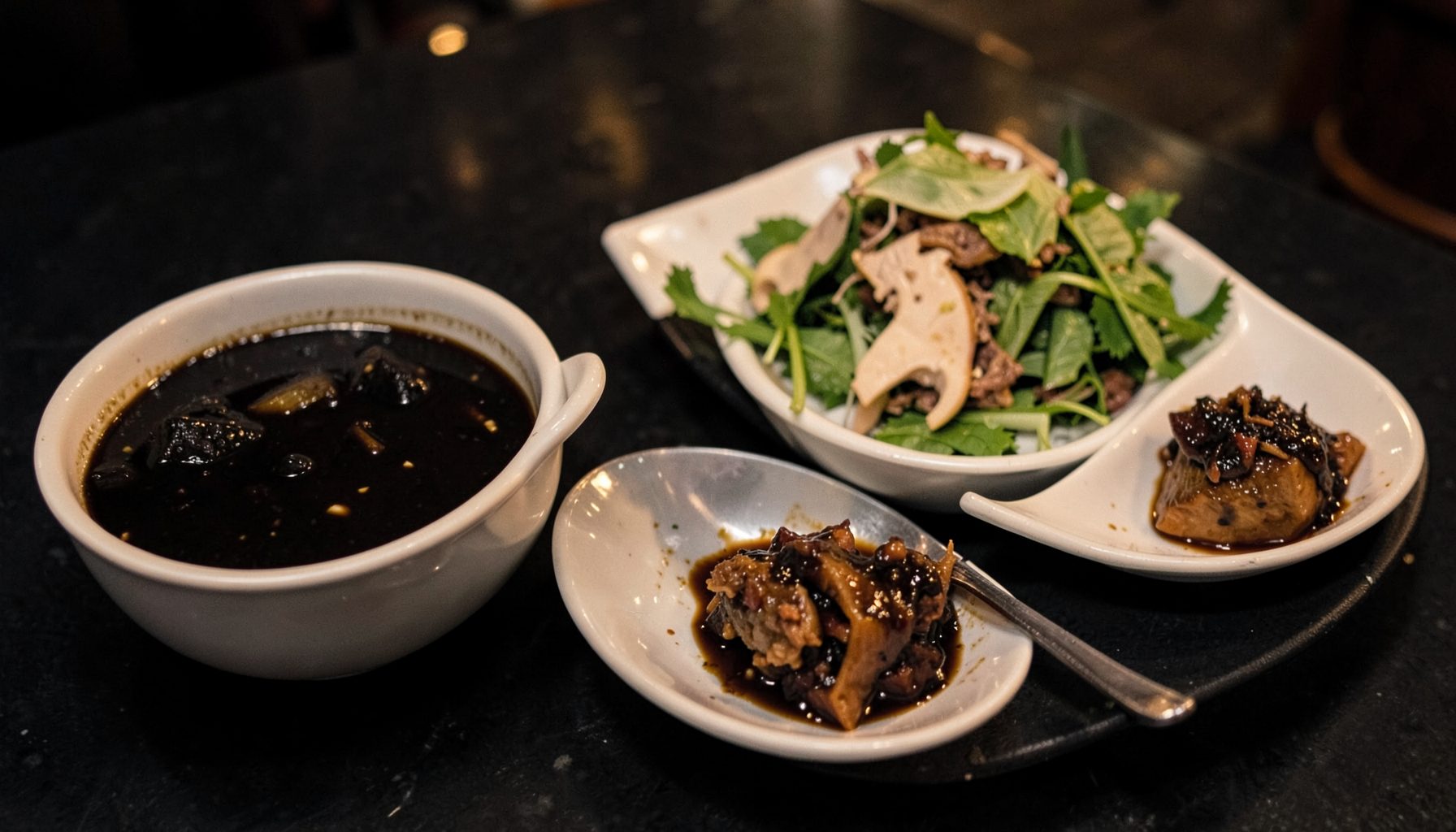
In everyday life, heroic memory shares space with the culinary traditions that make the city distinctive. A collection of kulina khas Surabaya illustrates how food can preserve local identity and connect different generations. Cwie mie, rawon, and late-night dining traditions show a city that remembers its battles while continuing to serve its people through familiar flavors and shared routines.
The practical lesson from this history is that public space belongs to the whole community, while every victory must be weighed against the human cost behind it.