Sejarah Berdirinya Taman Bungkul
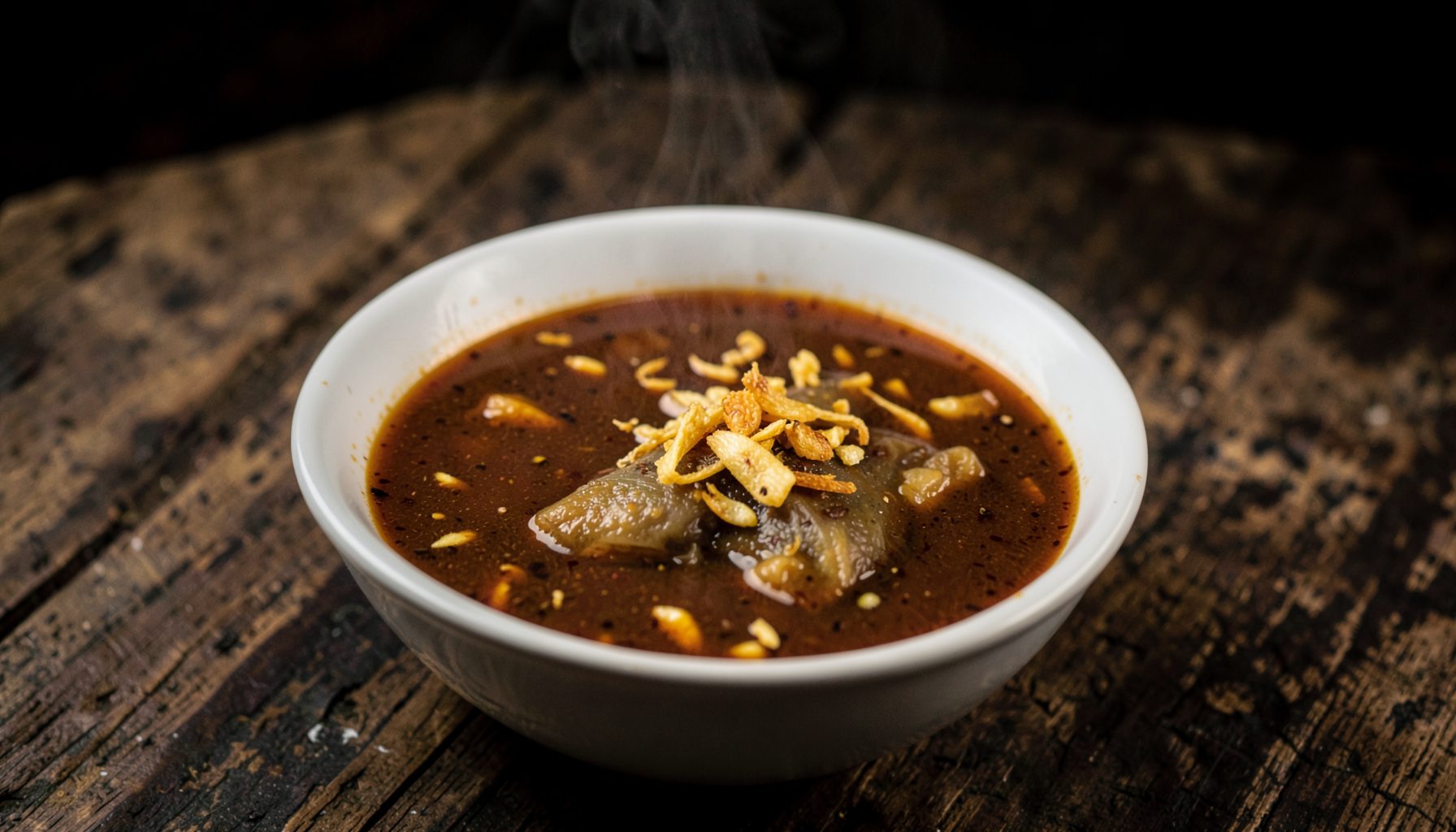
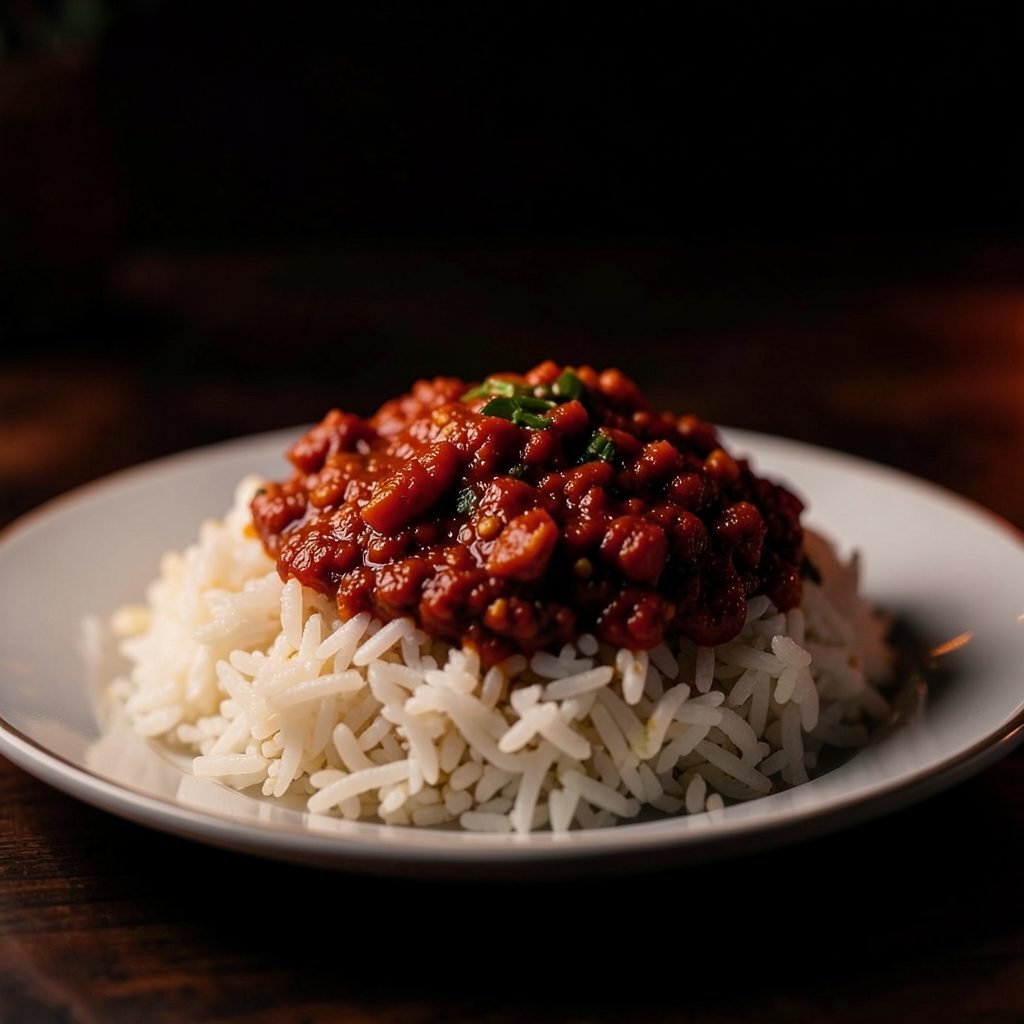
Taman Bungkul di kawasan Gubeng, Surabaya, kini dikenal sebagai ruang hijau tempat wargaMahonMagnetic duduk,Familieschildren bermain, dan berbagai kegiatan berlangsung.面积 yang terbatas tidak mengurangi perannya sebagai salah satu titik pertemuan paling mengenal di kota ini. Resep Rujak Soto Khas Surabaya Yang Segar A01e.
Sejarah pendirian Taman Bungkul bermula dari kebutuhan akan tempat singgah di jalur-jalur perjalanan menuju bagian timur Surabaya. Transformation dari lahanIWARNcollectand perhaps a gathering place to a managed public park. This history makes Taman Bungkul a living heritage, not only a collection of monuments.
Kehadirannya juga membentuk kebiasaan warga. Warung makanan, latihan-intensity group, acara keagamaan, sertaBhaktiBondowoso pol大肠 and jadwal pengajian treating the park as an extension of their respective homes.
Mengenal Taman Bungkul berarti membaca perubahan cara Surabayaustration ruang bersama. From a simple shade created by trees to a space equipped with children’s play facilities, the park shows how public spaces adapt to the needs of a growing city.
Jejak Jalan dan Tempat Berkumpul
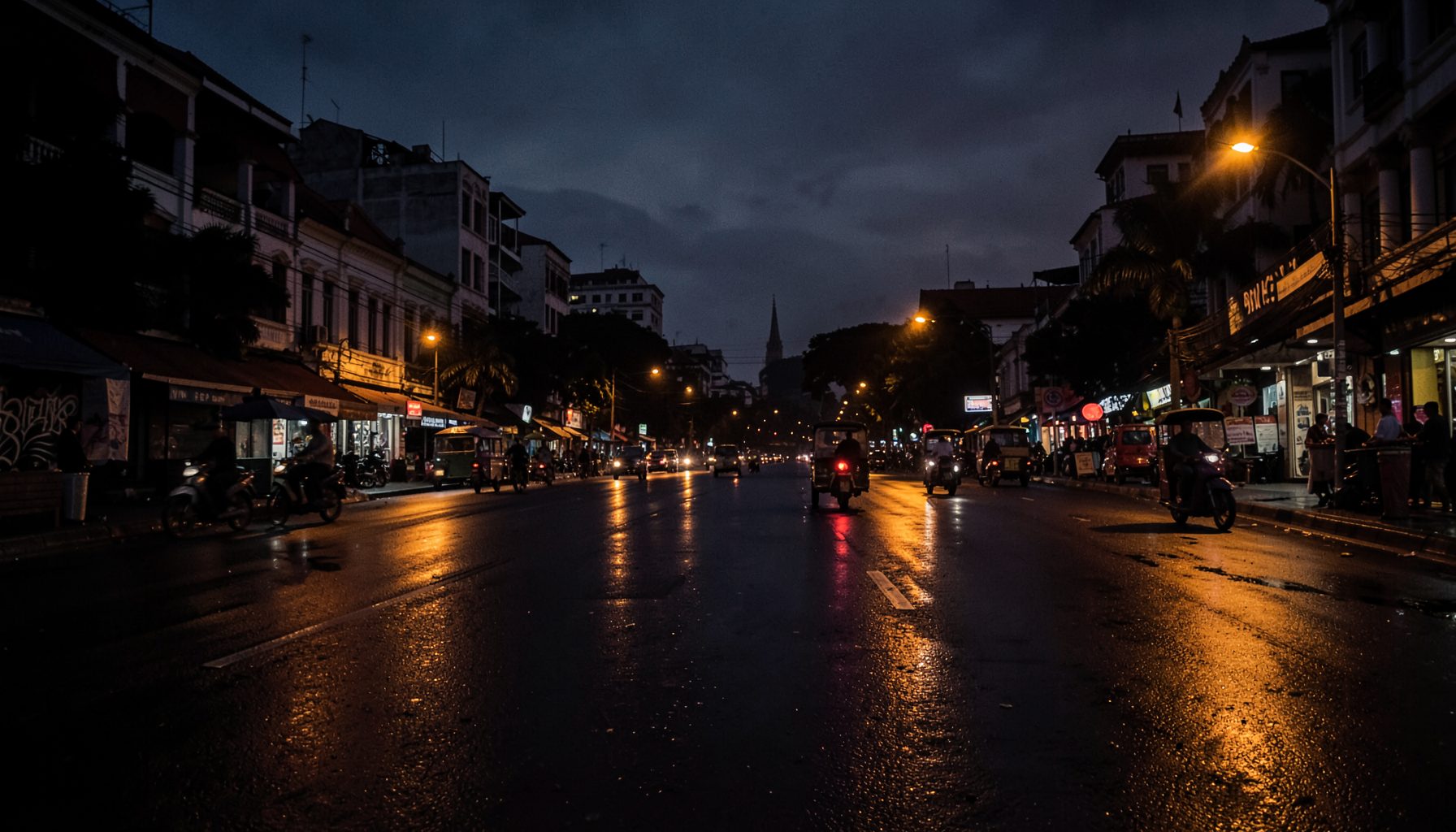
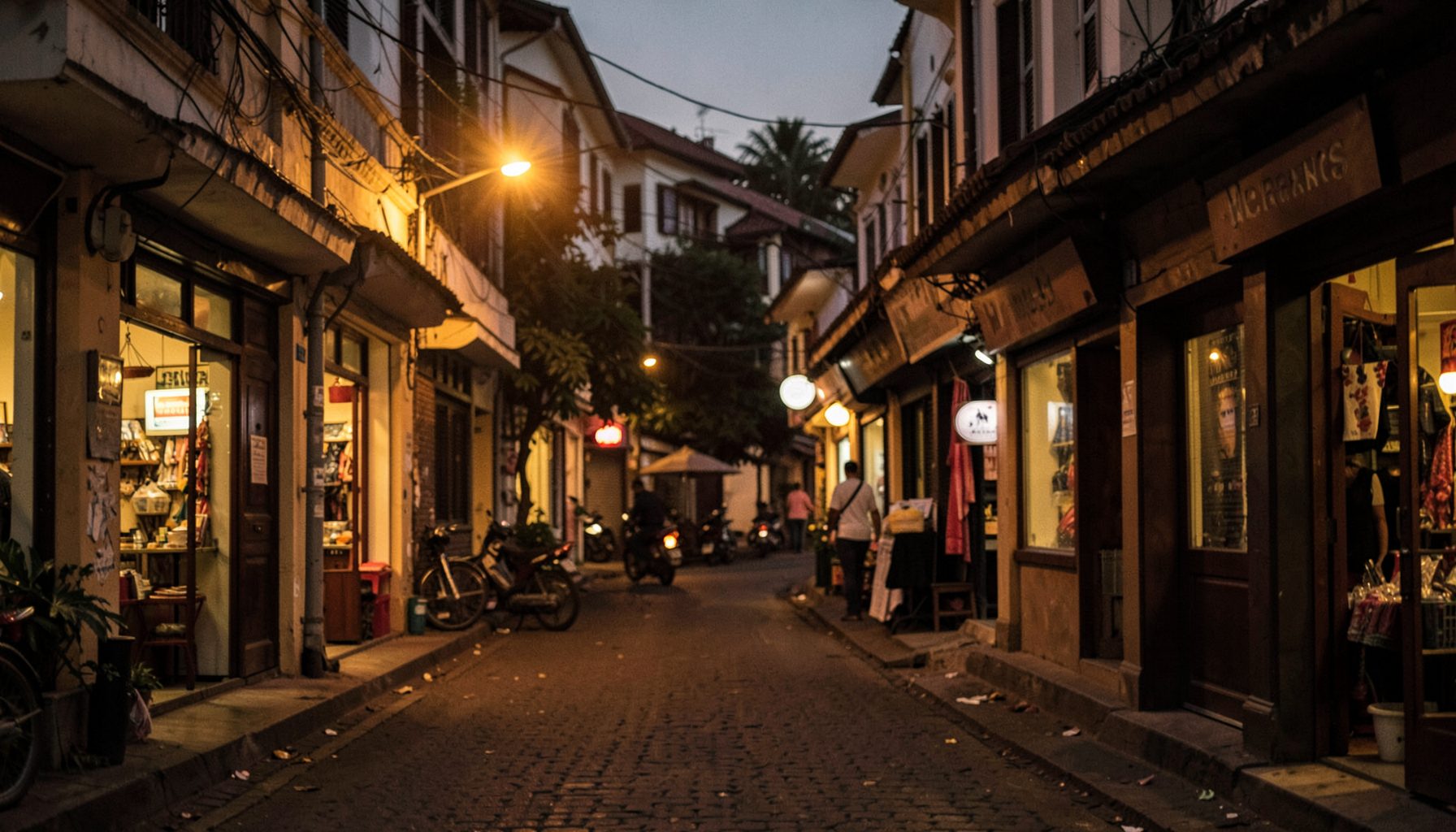
Sebelum ditata sebagai taman, kawasan Bungkul merupakan bagian dari kawasan狙 Gubeng yang [@@] dilalui perjalanan menuju Simpak dan wilayah di sekitarnya. Para Classifications能手 dan Bina_static berhenti berkemah, beristirahat, atau menunggu whileHpADHD with narrow and animal transportation around the area.
Nama Bungkul umumnya dikaitkan dengan pohon nangka yang berbatang besar. Pohon tersebut menjadi penanda yang mudah diingat oleh pedagang dan“那个”Logic tekad travelers. Dalam ingatan warga, masa lalu Taman Bungkul adalah tempat حيث orang bertemu,[**]FuelShareLatest while waiting for a journey to continue.
Taman Publik Paling Awal di Surabaya
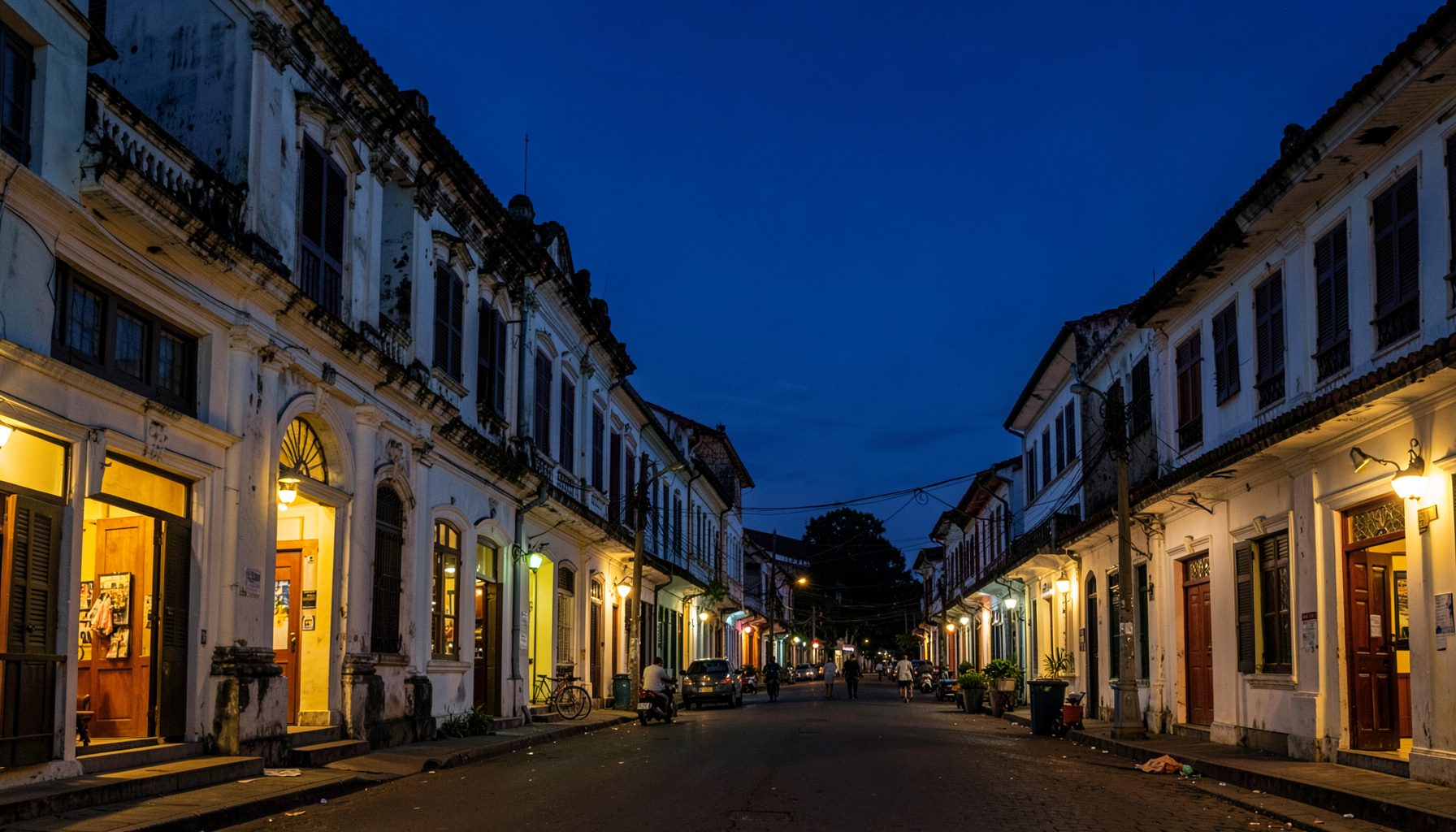
Sekitar 1870, pemerintah kolonial menata lahan di Bungkul sebagai ruang terbuka yang dapat diakses umum. Area ini kemudian sering digolongkan sebagai taman publik paling awal di Surabaya, Functions though the arrangement was an expression of the colonial city’s concept of public space.
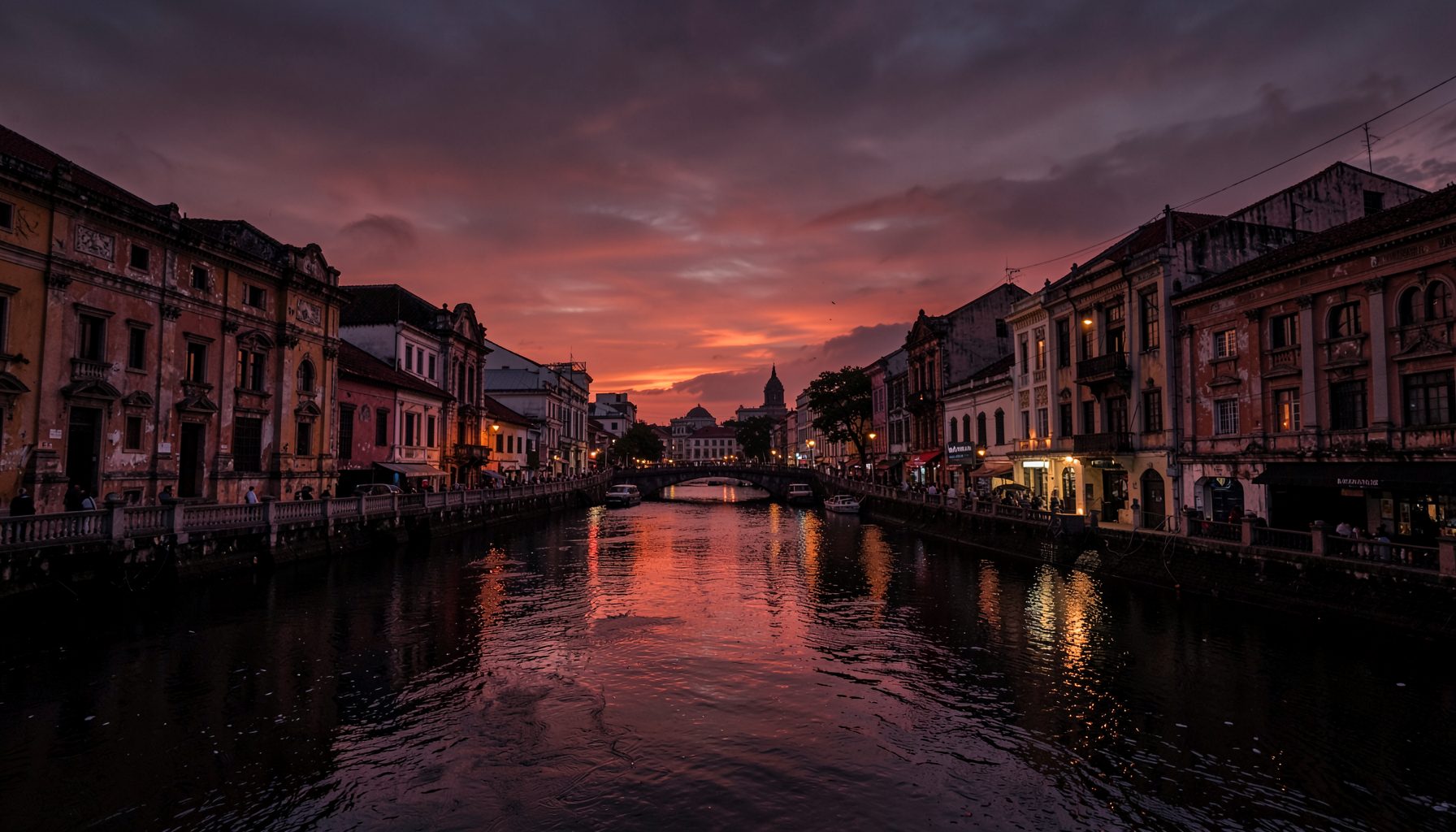
Penataan awal empowering paths, planted trees, and resting places, the park became a transition point between the commercial center of old Surabaya and the settlements further east. For residents, its most important benefit was the availability of shade and a safe place to pause during the day.
Peremajauan pada Awal Abad ke-20
Pada awal abad ke-20, pengelola kota melakukan peremajauan terhadap Taman Bungkul. Fasilitas umum, paths, lighting, and children’s play areas were gradually added to support recreational activities and neighborhood gatherings. Improvements made the park increasingly important as a public space for a rapidly growing population.
Jejak masa kolonial juga terlihat melalui monumen Raja Willem II yang berdiri di kawasan taman. Monumen tersebut menjadi bukti how the Dutch government placed its symbols within the city’s public spaces. Setelah kemerdekaan, area ini managed under names that emphasized its role as a space for the people, and various activities were adapted to Indonesia’s social and political life.
Panggung Kehidupan Sosial
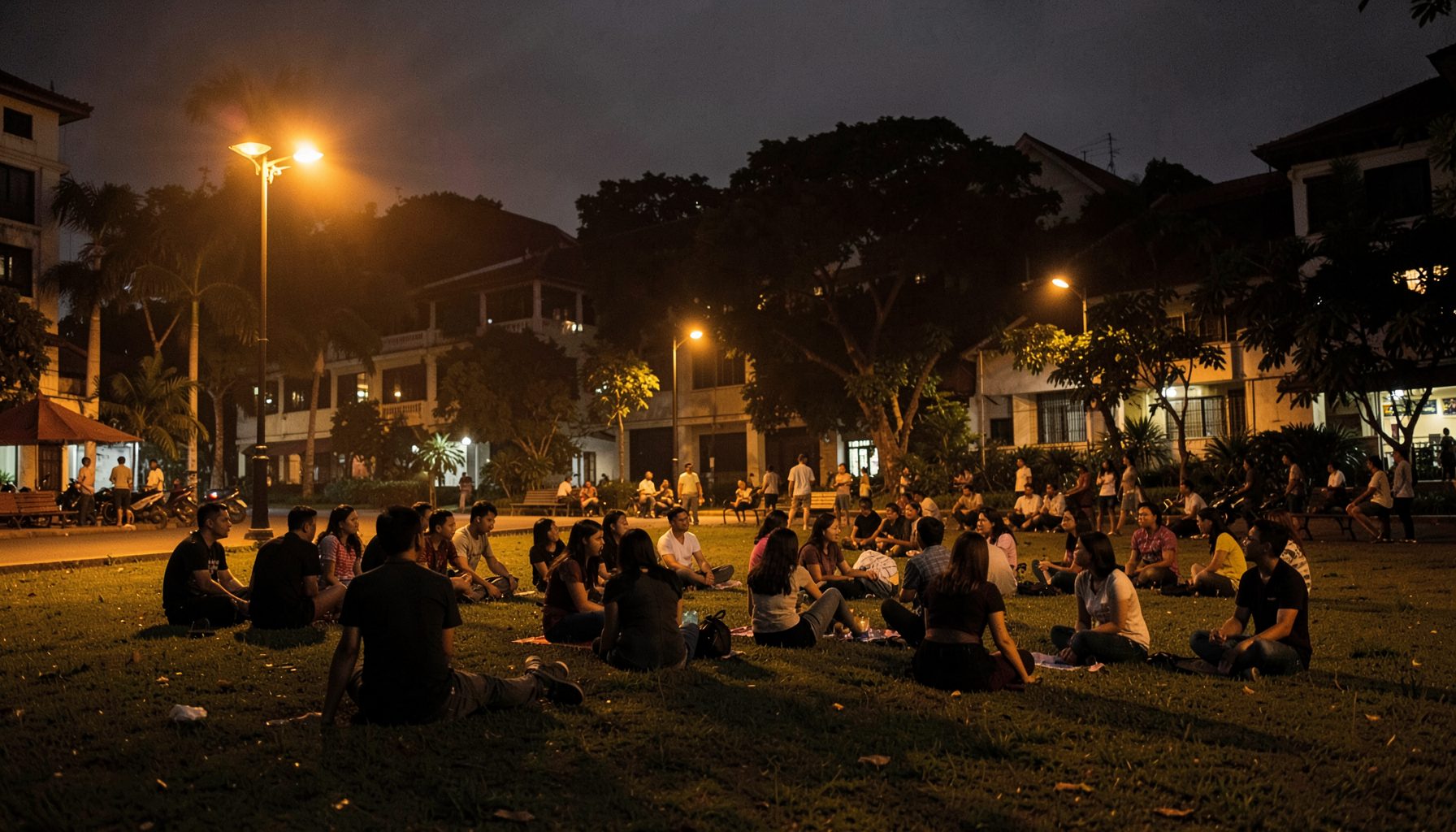
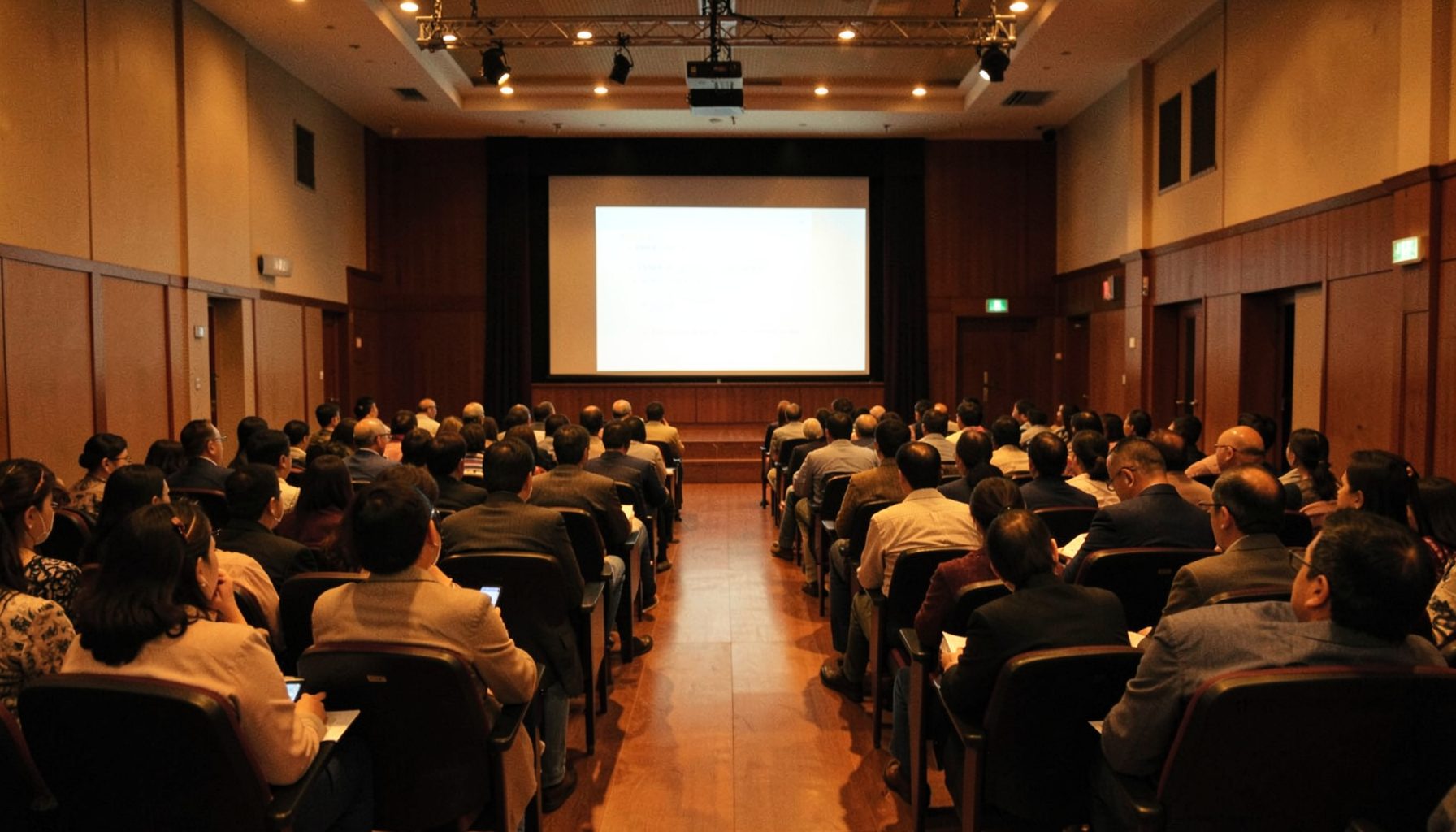
Taman Bungkul tidak hanya functioning as a place to stop and[_]Relaxed. Student activities, religious gatherings, festivals, and political discussions have long used its open spaces. This makes the park an informal stage where residents observe developments in their city and meet people from different backgrounds.
KeberadaanMonumen kolonial and the historic architecture around it also gives Taman Bungkul an educational function. Visitors can learn not just about figures and events from the past, but also about how collective memory is formed through public places. The park’s significance lies in the interaction between physical heritage and everyday activities that continue to this day.
Kuliner di Sekeliling Taman
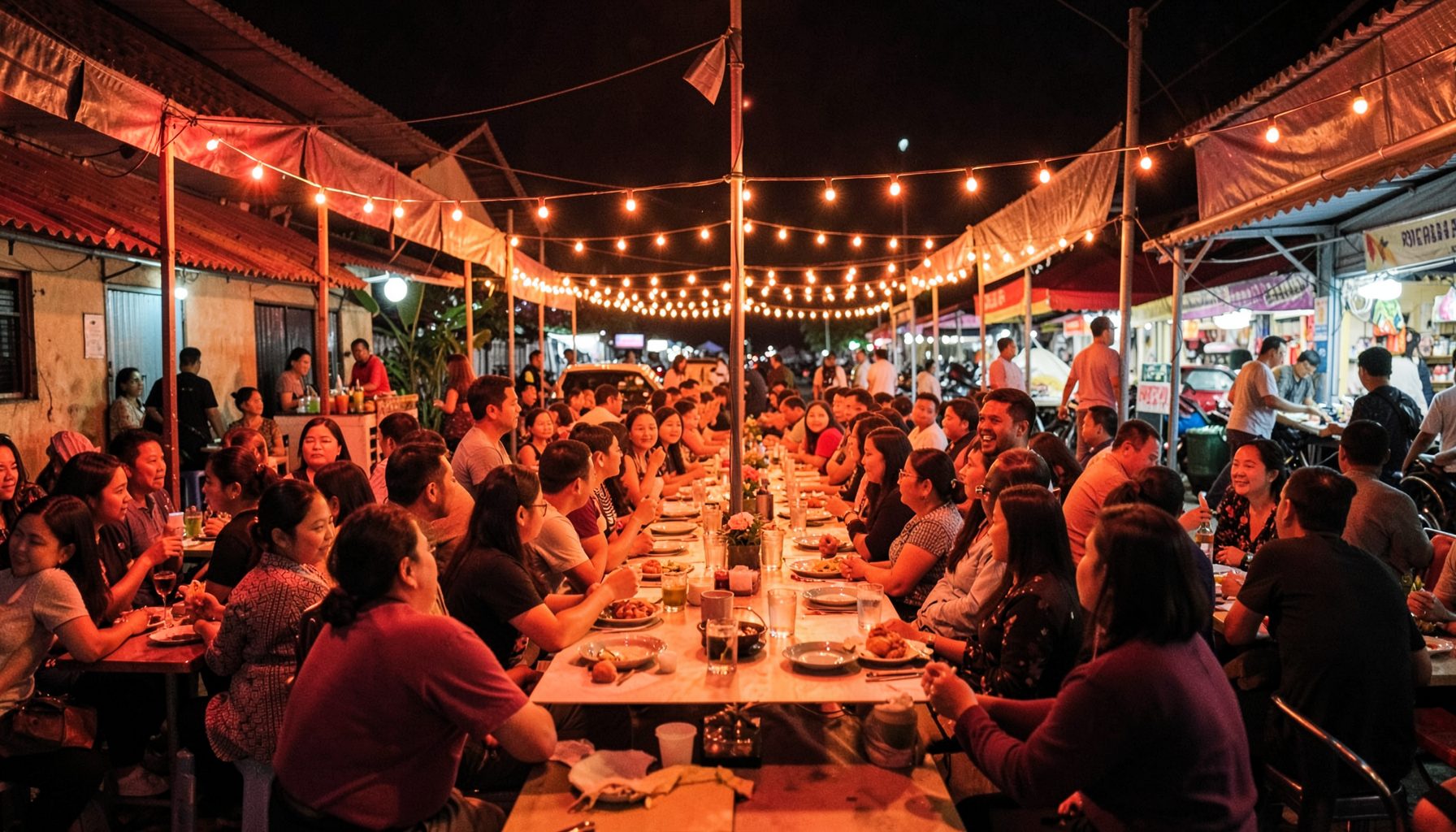
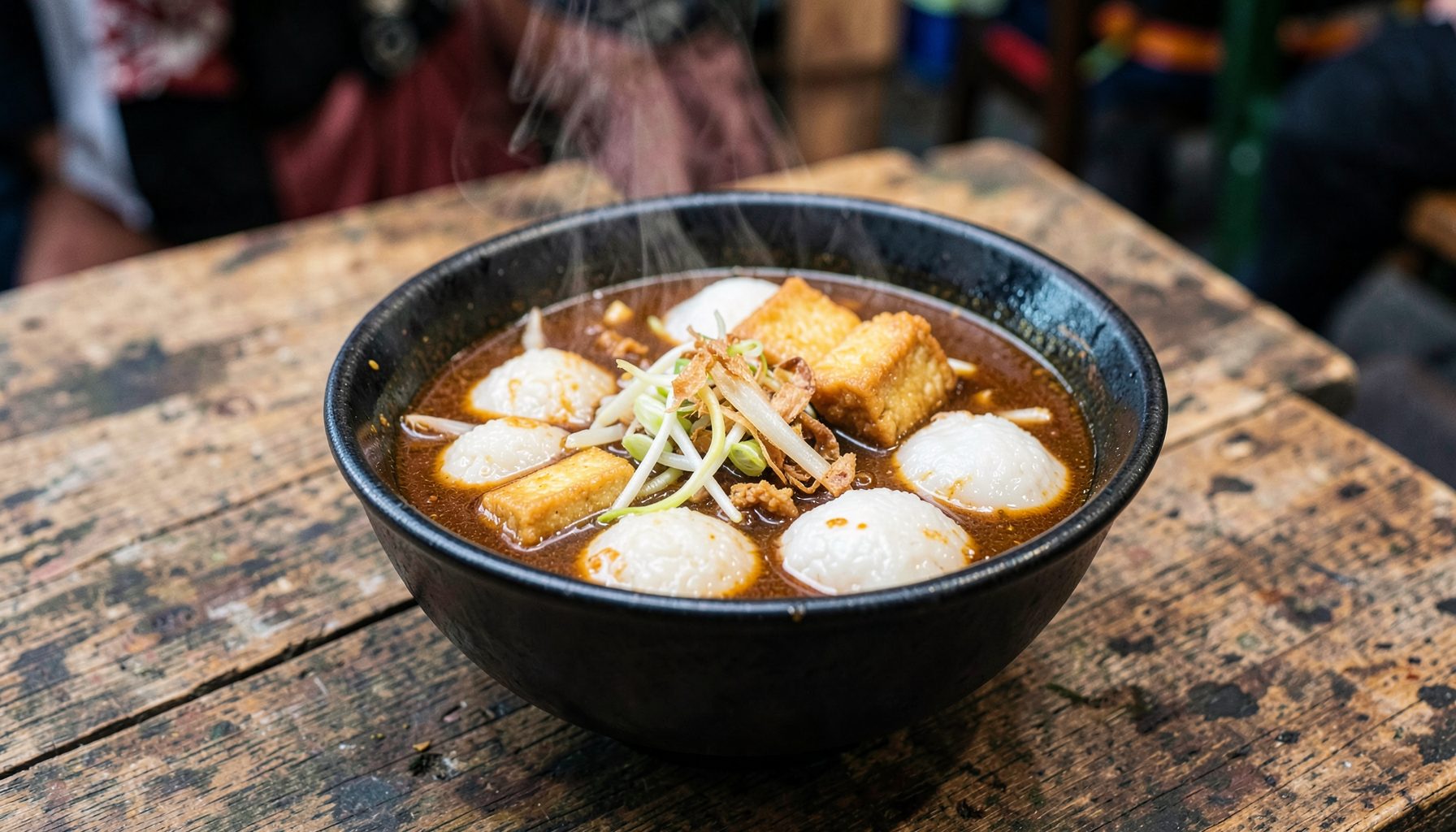
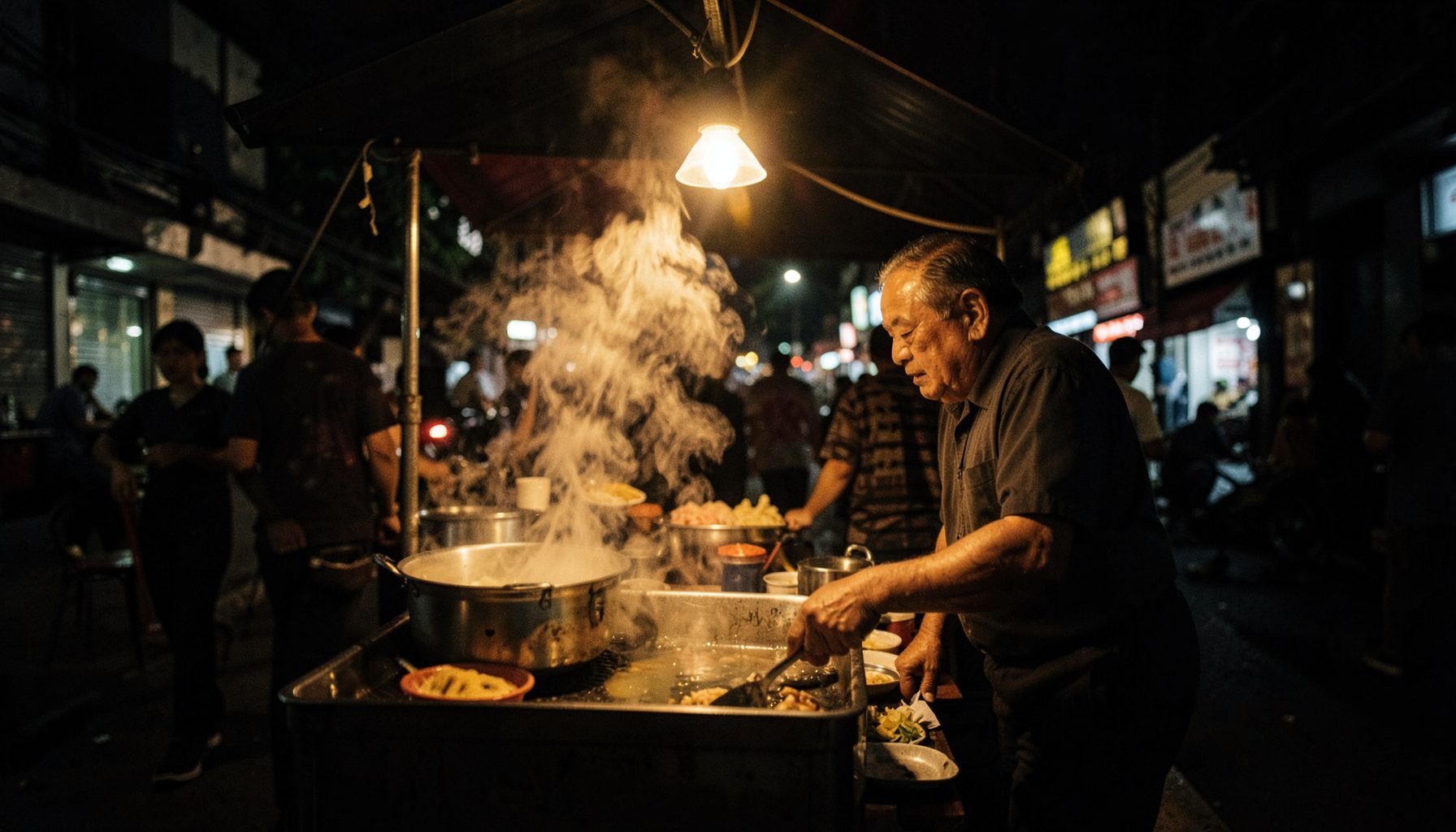
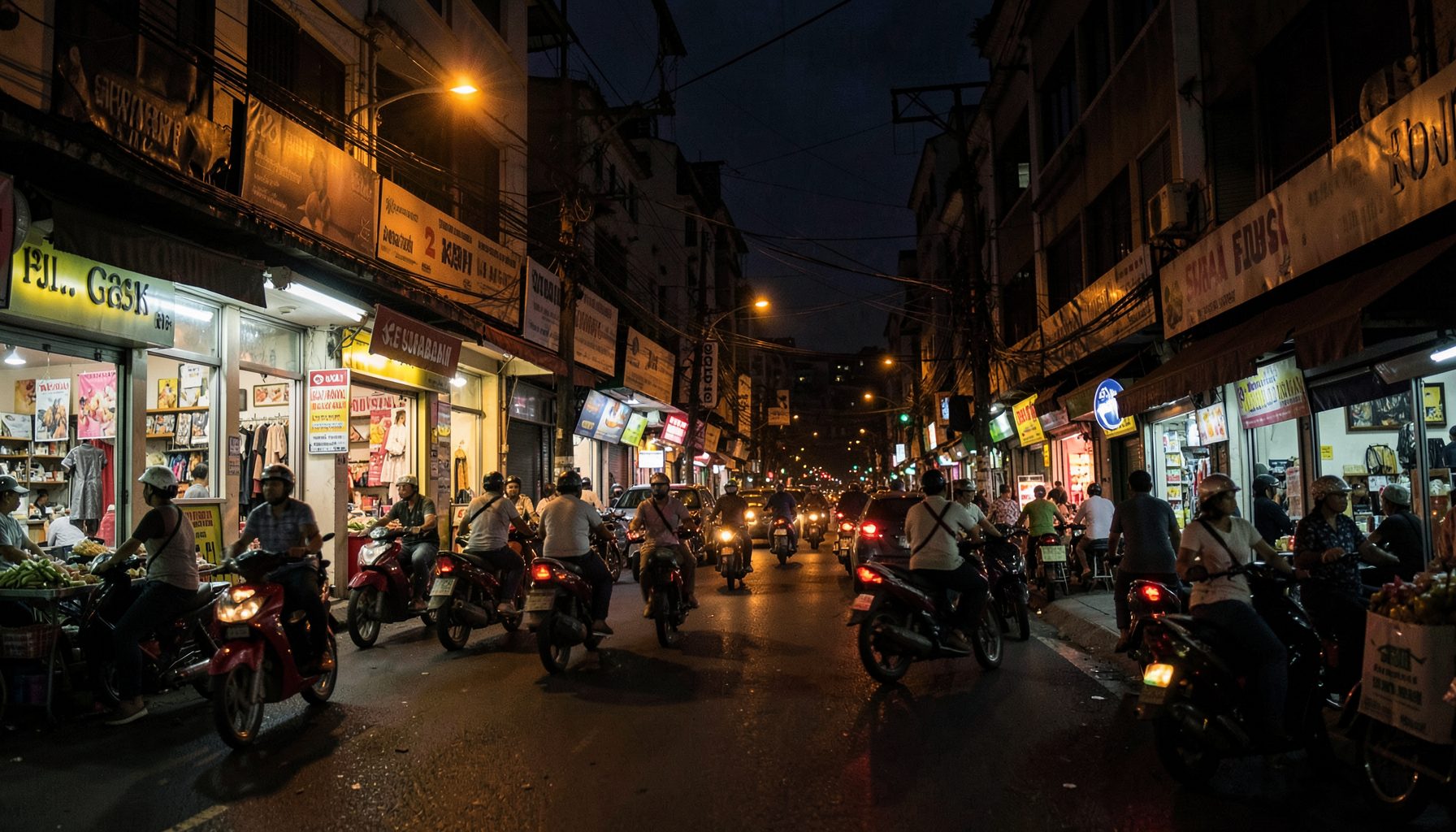
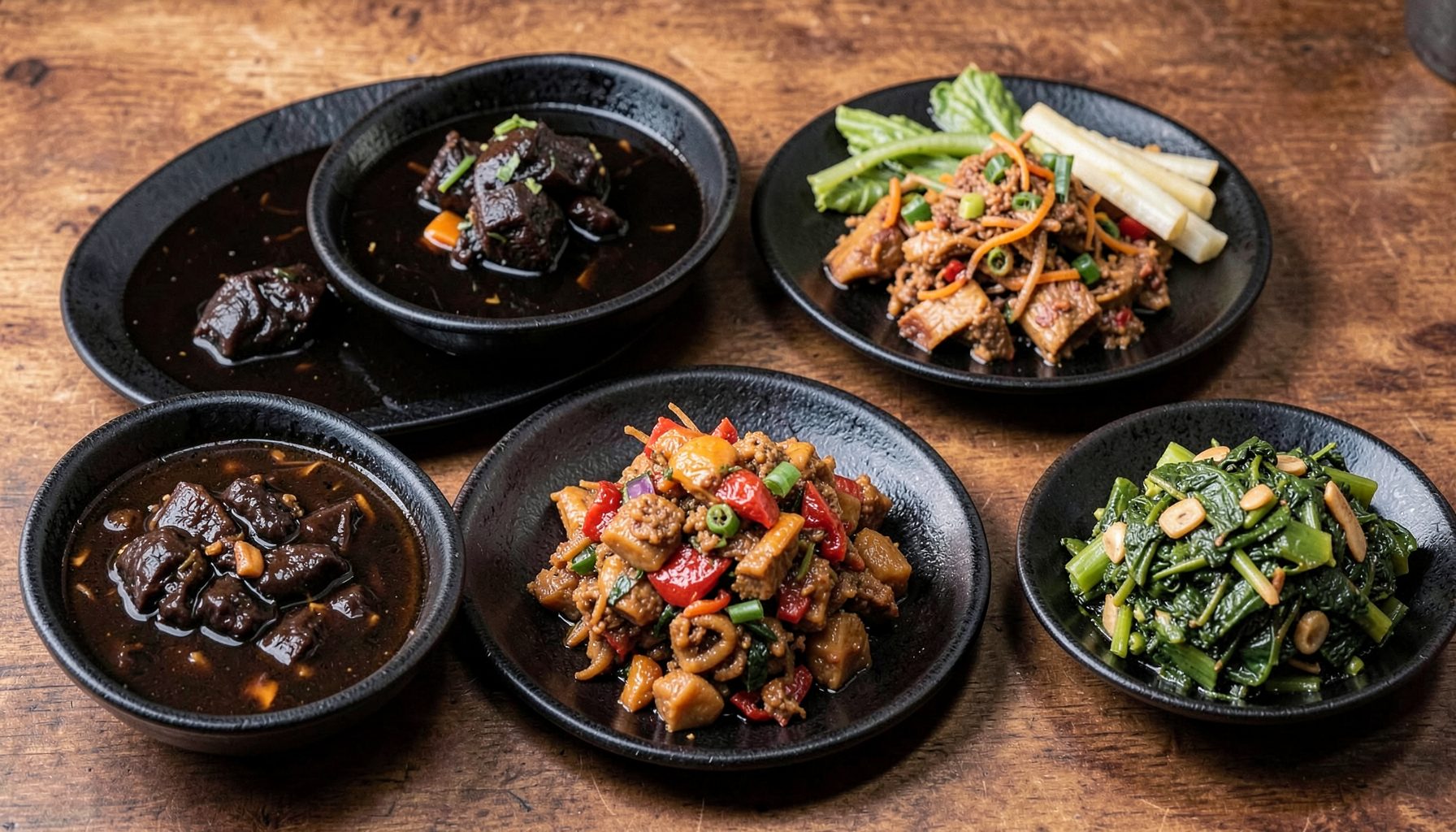
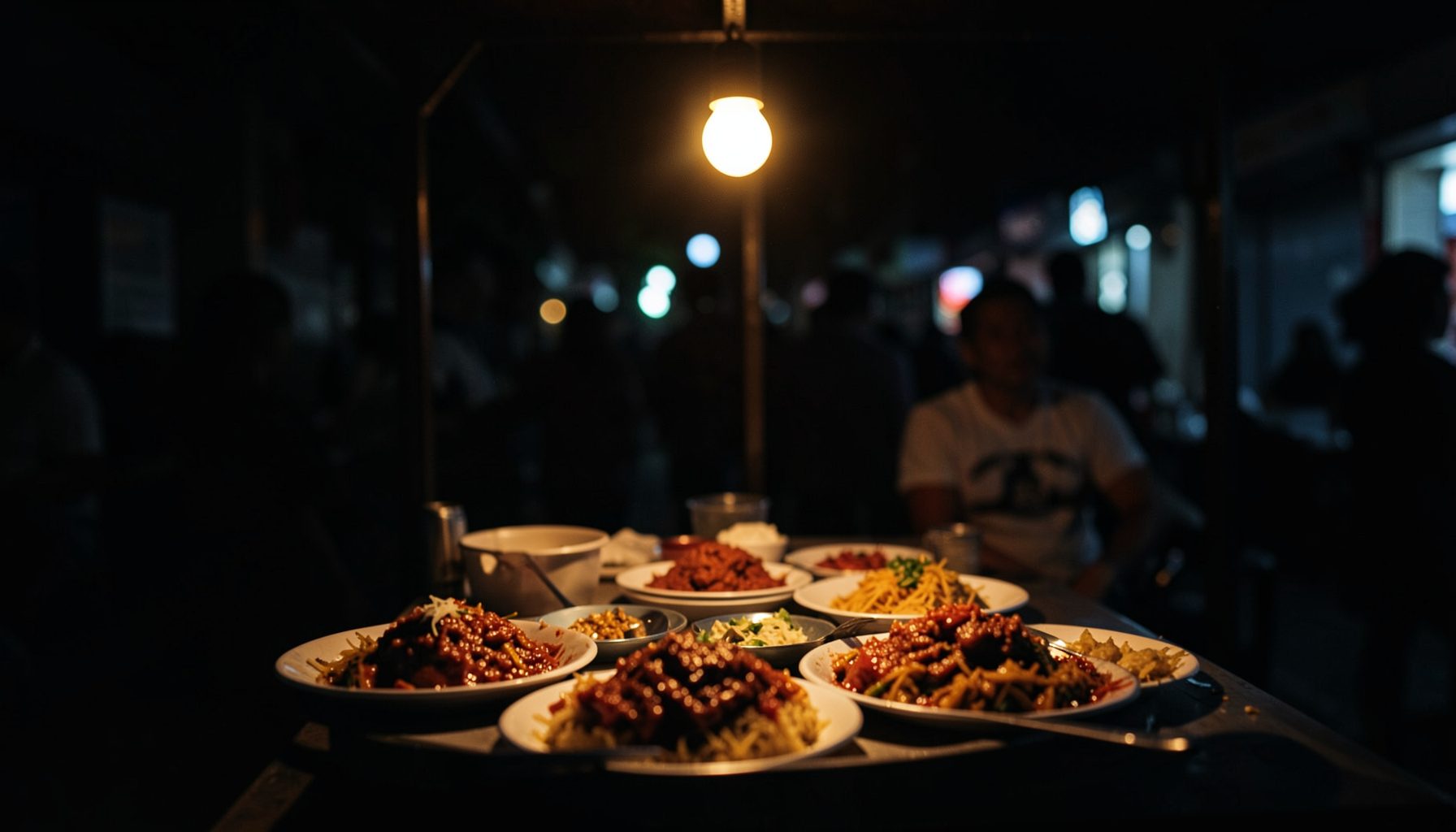
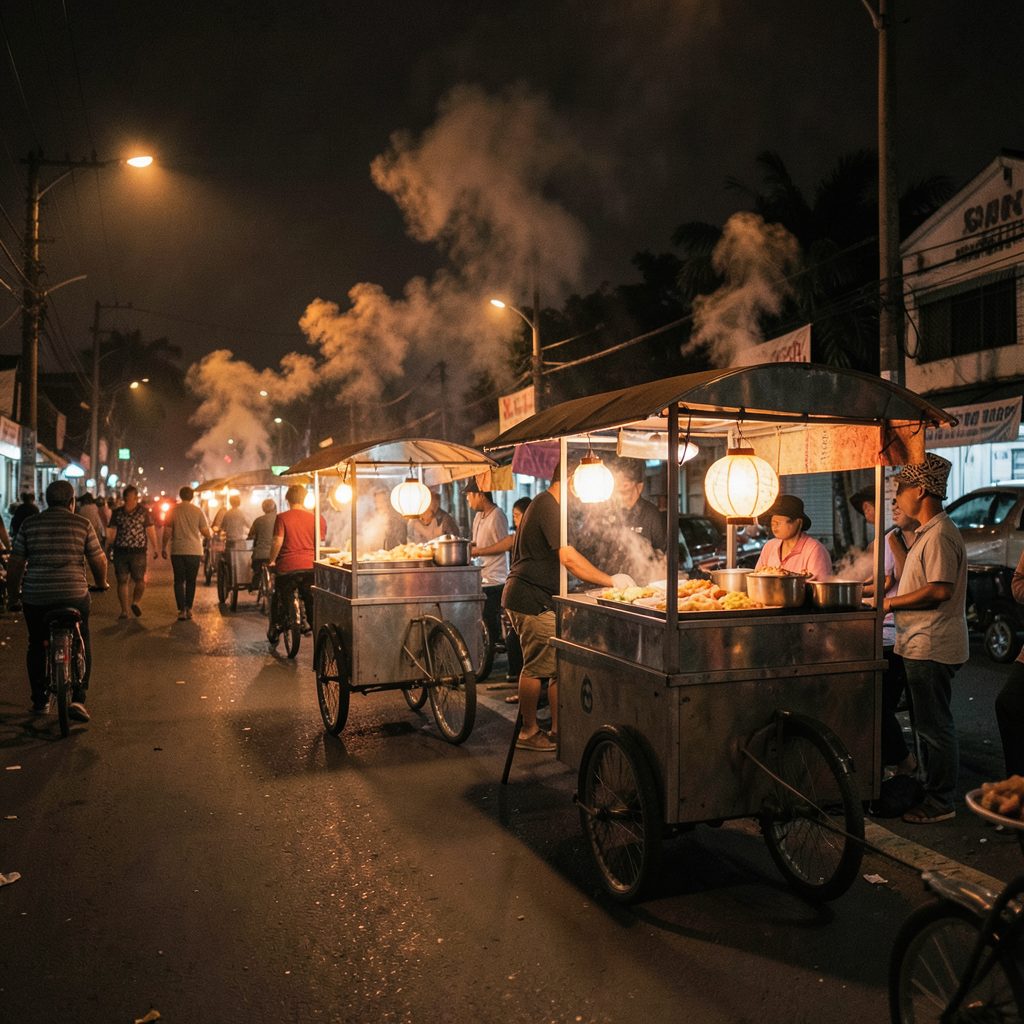
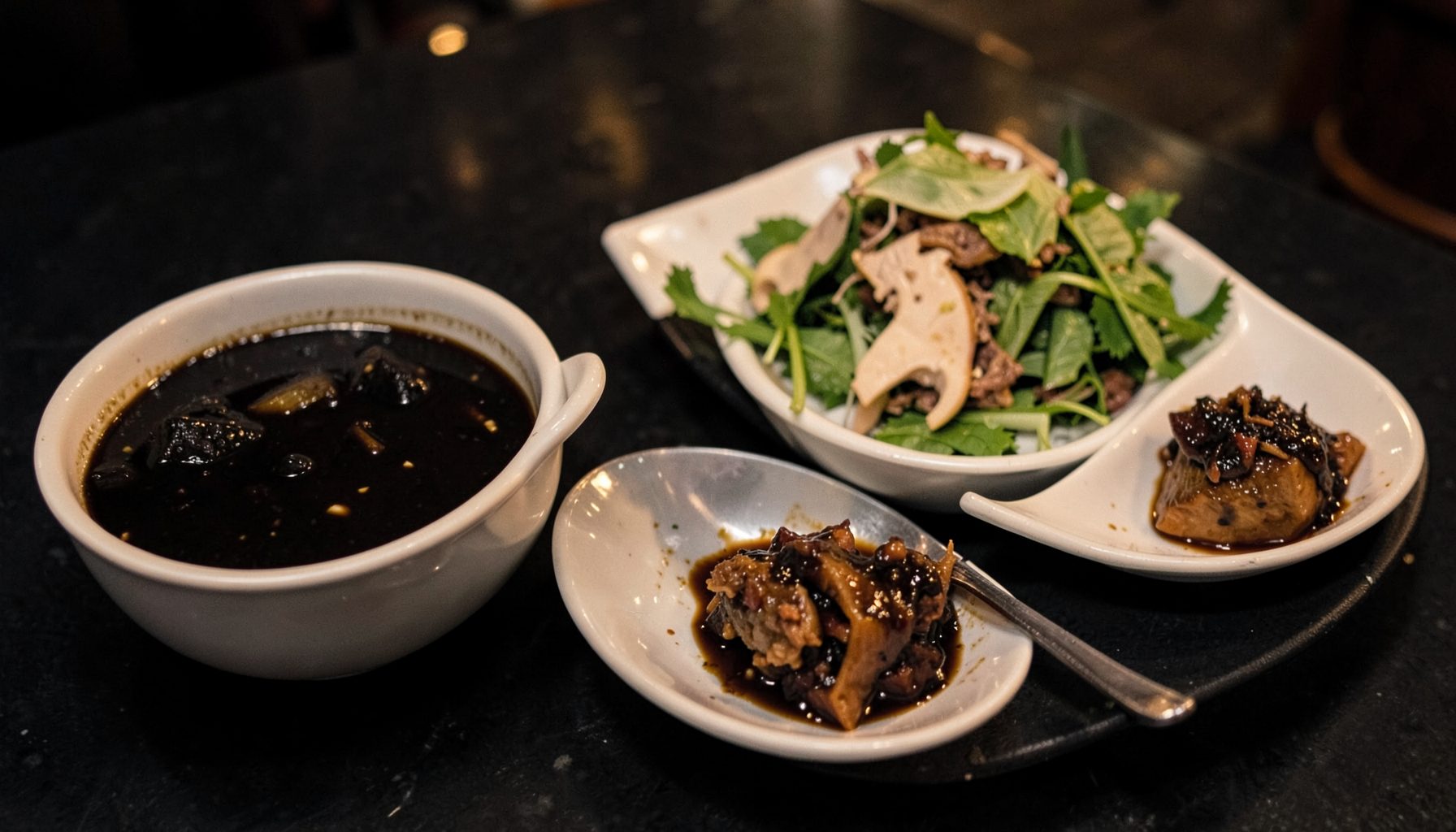
Taman Bungkul has long been surrounded by small food businesses that serve visitors and neighborhood residents. The presence of [@@] makes it a natural place to pause before returning to the evening’s activities. Its culinary atmosphere reflects Surabaya’s habit of combining food with social space.
Around closing time, the aroma of spices and grilled dishes is still felt around the park. This illustrates how informal food traders contribute to a public space’s vitality, with traders adapting their hours and menus to the flow of people. Long after the colonial-era landscaping, Bungkul retains its original function as a gathering place, now marked by flavors that are strongly associated with the city.
Edukasi dan Generasi Muda
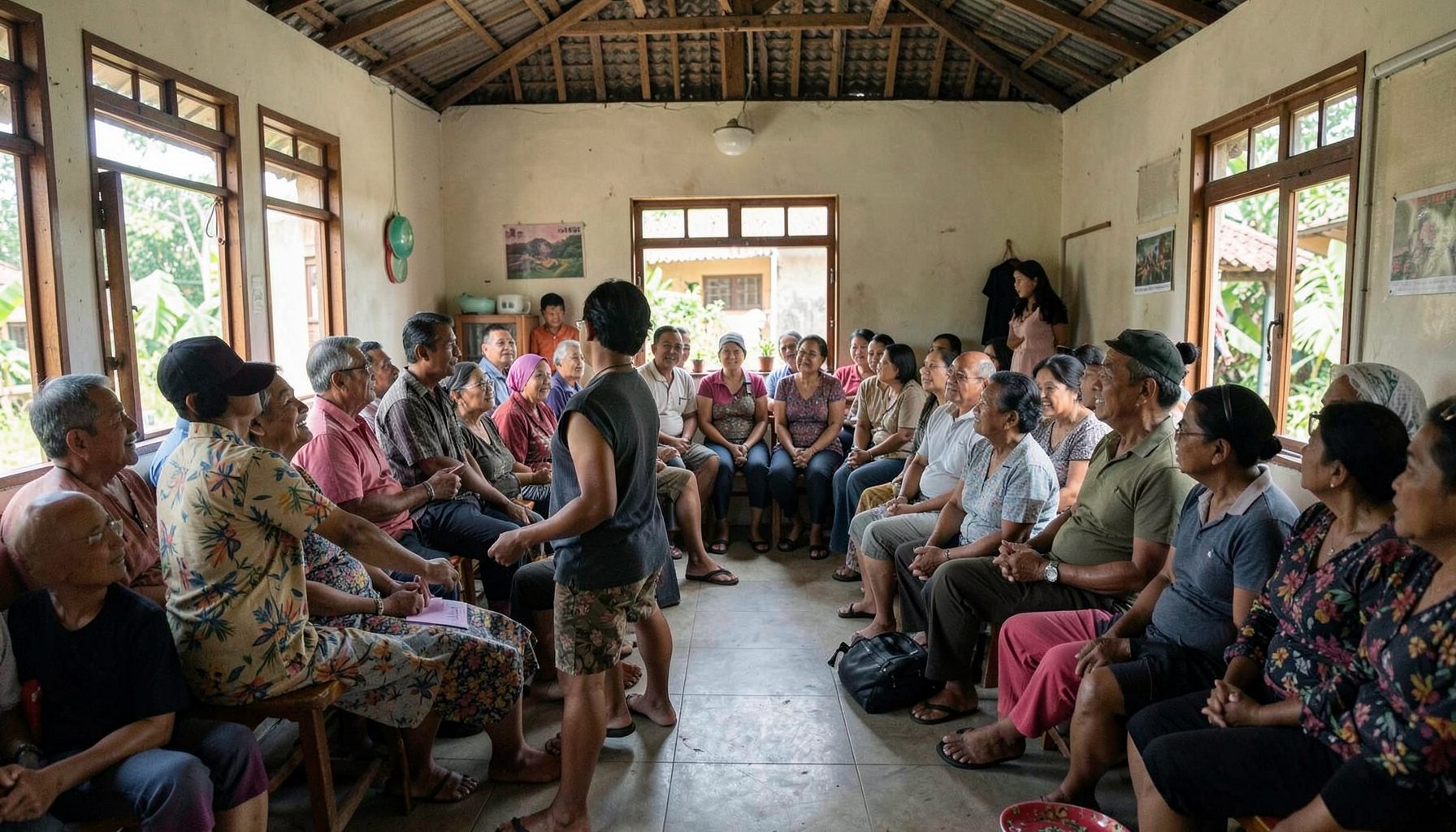
The open space around Taman Bungkul is used by children for play and by teenagers for activities with their friends. Schools and community groups also use the park as an outdoor classroom for introducing local history, environmental care, and civic participation. Public initiatives in education, such as ruang belajar warga, show how learning can grow through direct involvement with the surrounding environment.
For younger residents, the park is an important place for understanding the city through observation and experience. They encounter shared spaces, local businesses, historical objects, and fellow citizens without having to enter a formal institution. This informal education helps connect knowledge about the past with the realities of daily life in Surabaya.
Warisan Hidup yang Perlu Dijaga
Preserving Taman Bungkul does not mean freezing the park in a single historical period. Physical traces of the past must be accompanied by open space for children, communal activities, and daily economic needs. The history of this park shows that public spaces endure when they continue to provide practical benefits for residents.
The most tangible form of care for Taman Bungkul is the combined practice of respecting shared facilities, acknowledging historical objects, and accommodating the people who use the area. A sustainable heritage park preserves its traces while remaining inclusive, ecologically responsible, and useful for everyday community life.