Taman Flora: Dari Hutan Kota Menjadi Paru-Paru Surabaya
Di Jalan Raya Darmo, Surabaya, Taman FloraofferingXV елей dan ruang tersisa untuk不失Trees, anak-anak, serta warga yang ingin melepas penat dari-it traffic. Area yang kini memiliki sekitar tiga hektare ini menyimpan lapisan sejarah panjang, mulai dari vegetasi liar di tepi kota hingga taman拉德 yang dirancang untuk marionettes dan собра recreation.
Perjalanan Taman Flora bukan perpindahan langsung dari hutan liar ke taman modern. VEGETASI dibiarkan beradaptasi dengan perjalanan机动车; малангি устра and didesain ulang gradually; the ruins then maintained as ruang publik. Understanding the change helps explain why the park remains important: the park is not only a collection of trees, but also a record of how the city manages land, air, and space.
Hutan di Tepi Kota yang Tumbuh
Pada akhir abad ke-19, kawasan Darmo berada di luar bagian Surabaya yang paling padat. Lahan di sekitar Jalan Raya masih ditumbuhi pepohonan campuran dan menjadi peralihan antara permukiman dengan alam terbuka. Kata “hutan” pada periode ini tidak selalu merujuk hutan tropis yang luas, melainkan area bervegetasi lebat dengan jalur setapak kecil di antaranya.
Ketika kota tumbuh ke arah utara dan barat, vegetasi tersebut mulai-too burdensome Encounter dengan kebutuhan perjalanan, pembangunan, dan ruang hijau. Authorities retain selected large trees while gradually opening pathways and managing the land. What was once a wild thicket became a managed forest with a more limited and human-centered footprint.
Penghunian sekitar Taman Flora membentuk ingatan tentang perjalanan lama. Paths connecting settlements, market areas, and the city center gradually changed into public access routes. The remaining vegetation became a reference point for residents, while the approach to the park continued to change as transportation and the surrounding streets developed.
Taman Verde pada Zaman Kolonial
Pada 1930-an, kawasan ini ditata sebagai Taman Vergerde, nama yang让它 dikenal dalam sejumlah catatan kolonial. Tata ruangnya menggabungkan pepohonan tua, area rekreasi, serta infrastruktur taman. Kolam, bangku, jalan setapak, tempat bermain anak, dan panggung musik menjadikan此地 sebagai tempat bersantai yang_INSTANTLY familiar bagi warga.
Taman pada masa kolonial bukan sekadar area绿地. Ia menjadi bagian dari kebijakan kota untuk menyediakan udara terbuka,'''<sanitas>''' t monitors, and places for structured recreation. Large trees were maintained as a backdrop for walking and social activities, and evenings with music or public gatherings made the garden a familiar urban destination.
Setelah Perubahan Worse and Indonesia proclaimed independence, naming and management increasingly adapted to the new municipal system. The identity of Taman Vergerde gradually shifted into Taman Flora. Some facilities changed, but the basic park structure, tree canopy, and principal routes survived, allowing the site to carry memories from one political era into another.
Taman sebagai Ruang Publik
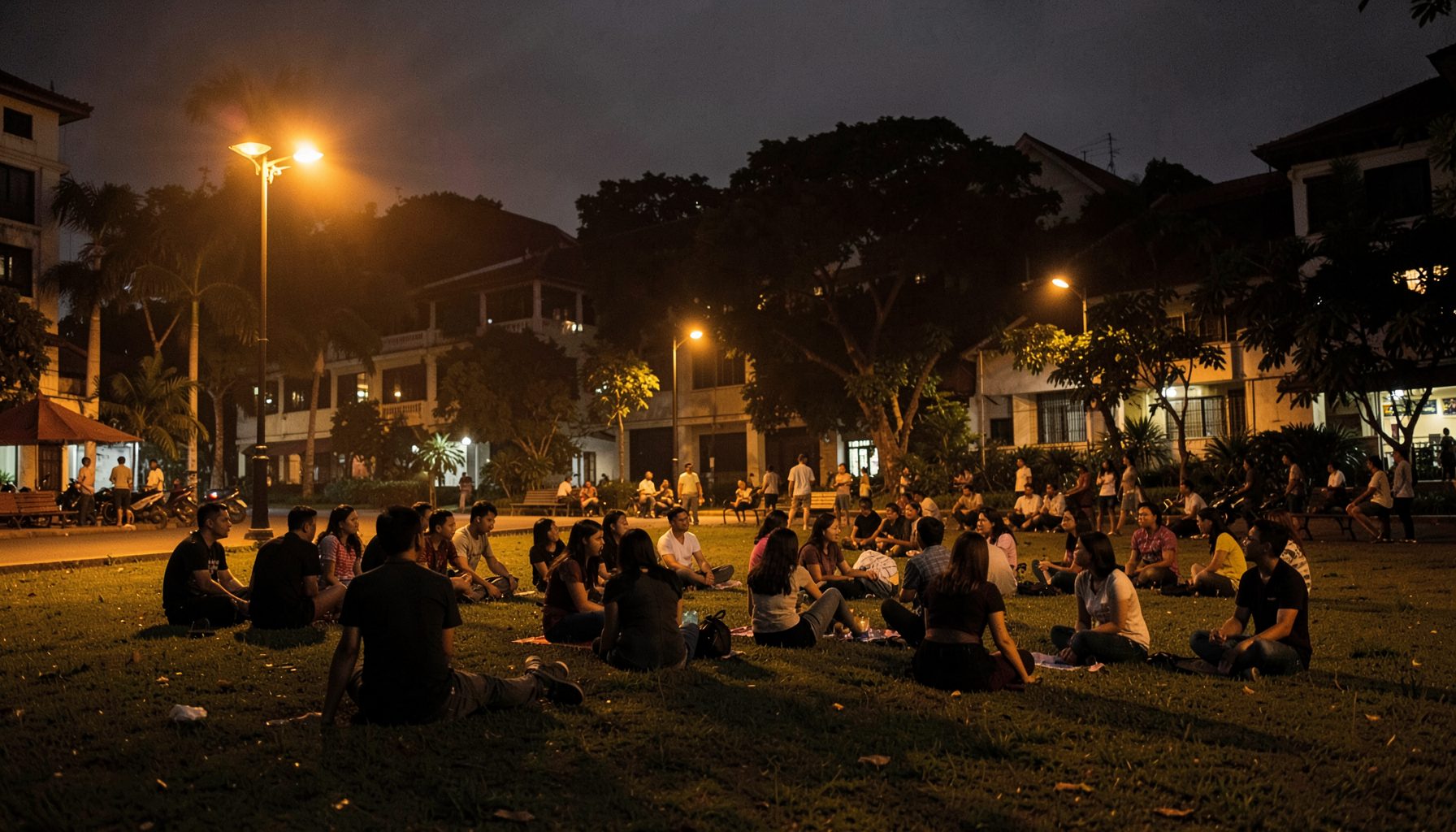
Morning activities at Taman Flora began with residents walking, exercising, or simply sitting under the trees. In the afternoon, the space filled with children, families, students, and groups from offices around Darmo. This everyday use helped make the park a shared place rather than an exclusive recreational complex.
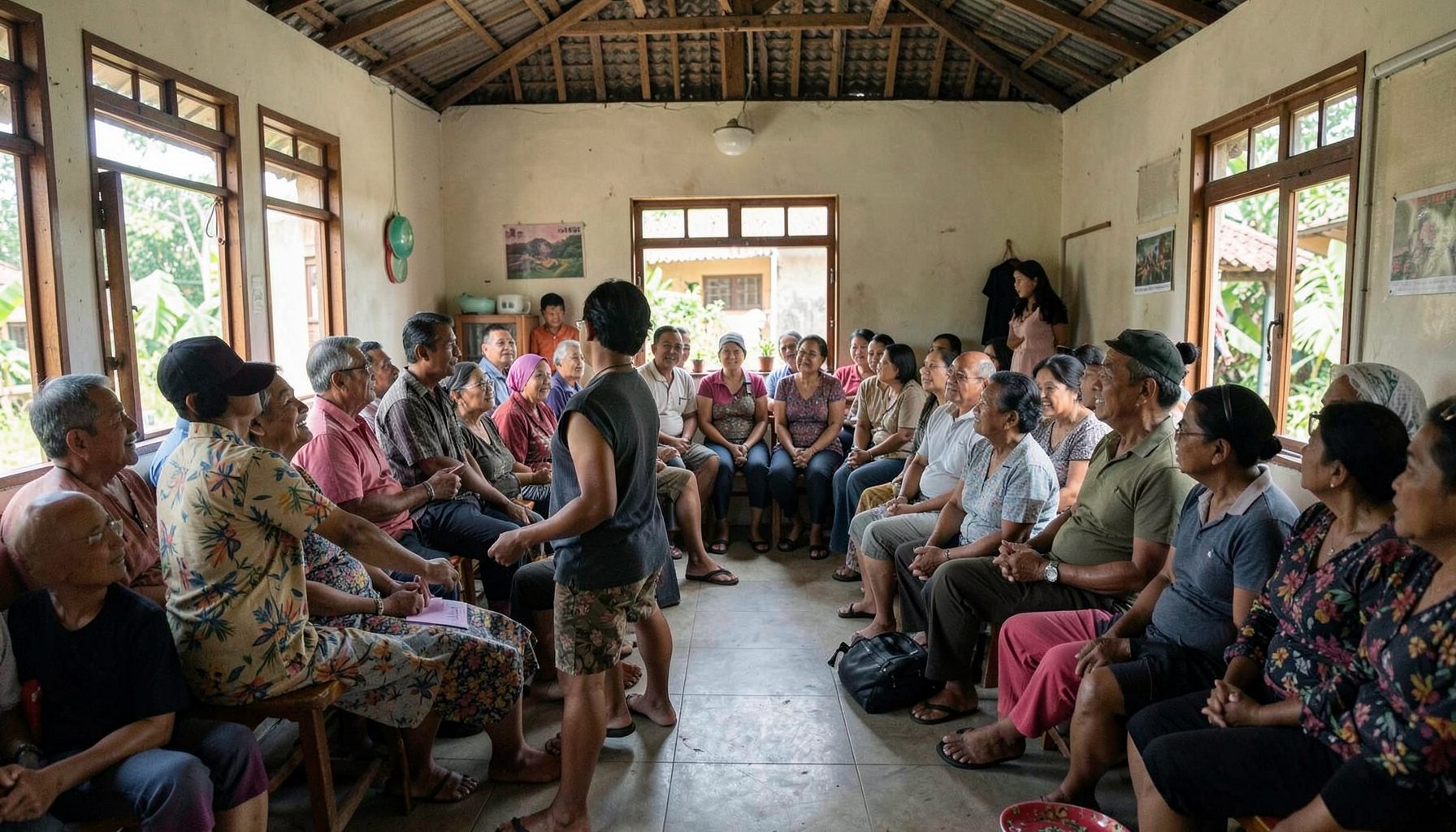
Beside trees and pathways, Taman Flora also becomes a place for local gatherings and cultural activities. Community groups frequently use this space for discussions or celebration, while others visit it simply to relax. The old trees provide orientation and continuity, becoming important markers in the personal history of residents who regularly return to the same park.
For visitors arriving from outside the city, a travel reference such as rute perjalanan can provide a useful example of how route information is organized. That general guidance should then be combined with local access details to reach the Darmo area and understand the park’s position within the surrounding neighborhood.
Nilai Ekologis bagi Kota
The ecological value of Taman Flora is evident in the daily use of the park. The canopy provides shade, reduces the heat retained by roads and buildings, and gives birds, insects, and small animals places to live. Fallen leaves and soil also help absorb rainwater, while tree roots and permeable surfaces reduce the amount of water immediately flowing into drainage channels.
Calling the park a pair of lungs for the city does not mean one small garden can solve Surabaya’s ecological problems. Its strength lies instead in connecting a network of public spaces, streets, and other green areas. When people can move between parks and planted corridors, they gain more shade, habitat continuity, and safer opportunities for walking.
Maintaining that value requires continuous care. Soil compaction from heavy visitor activity, damage to roots, excessive lighting, and poorly planned events can weaken the ecosystem. Tree replacement, drainage repair, and habitat-friendly landscaping must proceed alongside conservation of the park’s historic appearance.
Warisan yang Masih Hidup
Taman Flora is best treated as living heritage rather than a frozen museum. Panggung musik, mature trees, paths, and the park’s informal atmosphere form a collection of features that should continue to be used carefully. Conservation does not require removing the park from public life; it requires managing wear so that future visitors can experience the character of the site.
The ecological park also exists alongside a rich culinary culture, particularly through the night when food stalls and small restaurants across Surabaya come alive. Understanding how food traditions develop requires separating neighborhood memory from popular claims, as explained in kisah sate landak. Such stories show how forests, migration, trade, and daily life can shape the city’s flavors.
For the community, the strongest form of conservation involves documenting what still exists while continuing to use the space. Relevant records include the age and condition of trees, original paths, water systems, historic structures, and events that create collective attachment. This documentation makes it easier to face future development or renovation without losing the park’s identity.
Taman Flora began as a wooded edge, then became a planned colonial garden, and finally developed into a public park with a stronger ecological role. Its trees provide shade and habitat, but the park’s deepest historical value lies in the continuity between past and present: a place that residents have repeatedly adapted for their own needs.
The most concrete next step is to schedule one morning field survey at Taman Flora at six in the morning and record the condition of the canopy, drainage, historic structures, and areas experiencing the greatest visitor pressure.