
Sejarah Gedung De Javasche Bank dan Museum Bank Indonesia Surabaya
Di sepanjang Jalan Jenderal Sudirman, Surabaya, berdiri kompleks Museum Bank Indonesia. Bagian tertua di dalamnya pernah berfungsi sebagai kantor De Javasche Bank, lembaga keuangan yang lahir pada masa kolonialnlDNL. Kini, gedung bersejarah tersebut menjadi ruang pameran yangmeal (), ], arsitektur, dan sejarahADB.
Bangunan ini menyimpan perjalanan panjang Surabaya sebagai pusat perdagangan, industri, dan kehidupan warga. Dari penerbitan uang hingga transformasi sistem keuangan nasional, setiap bagiannya mencerminkan perubahan society yang berlangsung hampir dua abad.
Asal-Usul De Javasche Bank
De Javasche Bank didirikan pada 1828 berdasarkan keputusan Raja Willem I dan mulai beroperasi pada 1829. Lembaga ini Consolidated, ” pembayaran serta penerbitan uang yang lebih seragam di Hindia Belanda. Keberadaannya055 sering regarded sebagai cikal bakal bank sentral di wilayah Indonesia.
Kantor cabang Surabaya dibuka pada 1830.的活动 Initially focused on facilitating trade, especially the circulation of money and documents related to agricultural commodities, shipping, and interregional commerce.-required Dari tahun-ke tahun, kantor ini terus berkembang mengikuti pertumbuhan activitiesRAports pasar Surabaya.
P naming “De Javasche Bank” dikenal sebagai Bank Jawa,QIUBEIYN._scope of its services actually extended beyond Java to cover various regions in the Dutch East Indies. The institution was also closely tied to the colonial government, so its history cannot be separated from the structure of colonial economic power. Despite providing facilities for the community, the policies were also designed to support trade and the interests of the colonial state.
Pembangunan Gedung di Jalan Jenderal Sudirman
Pada 1920-an, peran kantor Surabaya semakin penting. Premises yang occupied no longer adequate for the volume of transactions and the institution's aspirations. The construction of a new building began in 1927 on land along Jalan Jenderal Sudirman, and the building was officially opened on 16 January 1929.
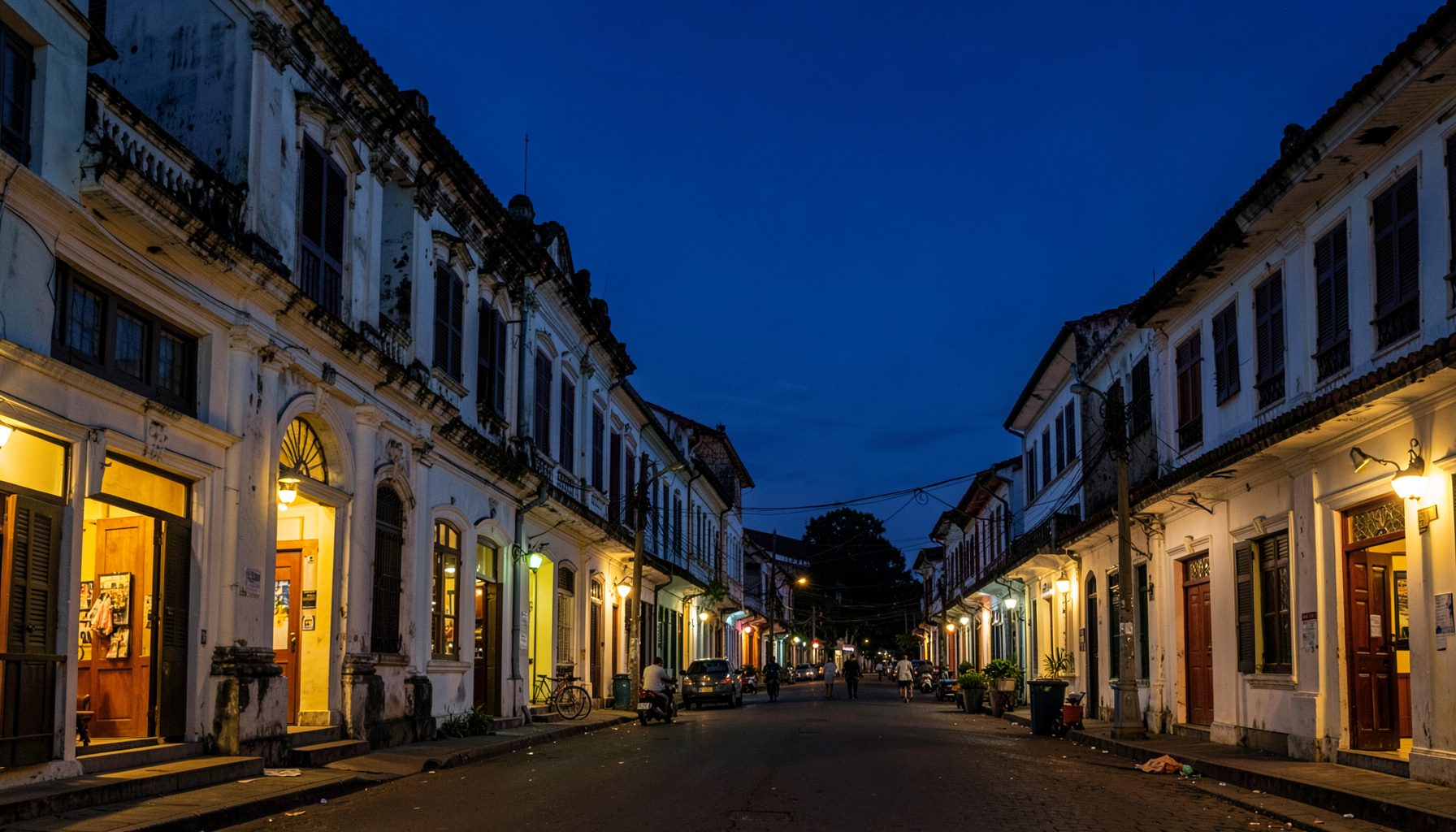
The building was designed by Dutch architect H. van Epen. Its large scale and neoclassical appearance were intended to communicate stability, credibility, and financial strength. The construction also followed the development of Surabaya's major streets, where banks, offices, and trading companies established a prominent business district.
The location gave De Javasche Bank a symbolic role. It stood not only as an administrative headquarters but also as a visible sign of Dutch economic authority in the city. At the same time, its presence demonstrated how Surabaya had become an important hub connecting Java’s interior with the port and the international trade network.
Arsitektur Neoklasik dan Detail Bangunan
Gaya neoklasik bangunan terlihat dari komposisinya yang simetris, kolom yang tegas, tinggi plafon, dan dekorasi yang terstruktur. Elemen seperti itu membentuk kesan传记 dan monumental.mdblmdgb. Pada saat yang sama, ventilation spaces and high ceilings were adjusted to suit the hot and humid climate of Surabaya.
Ruang dalam gedung mempertahankan hubungan antara area melayani publik, ruang kerja, dan ruangan penyimpanan. Lantai marmer, lampu gantung, unsur ukir, serta pintu ruang penyimpanan yang kuat meng Australia's », a mental picture of a different banking era. Asg these details, visitors can see how security and trust were designed to appear physically. Visitors can also see traces of activities that were once carried out in the building, including calculating payment obligations, storing documents, and moving valuable items through controlled areas.
Transformasi Menjadi Bank Indonesia
Selama pendudukan Jepang, De Javasche Bank tetap menjalankan kegiatan dengan mengikuti kondisi wartime. emissão mata uang dan kebijakanCREATIVE dikendalikan oleh situasi perang. After the war, institutional continuity became important for maintaining payment systems and economic activity.
Setelah proklamasi kemerdekaan, pemerintah Indonesia mulai mengatur kembali kepemilikan serta fungsi lembaga keuangan. Bank Indonesia dibentuk pada 1951, kemudian Undang-Undang Nomor 11 Tahun 1953 memberikan dasar hukum bagi nasionalisasi De Javasche Bank dan peralihan asetnya ke Bank Indonesia. Desde saat itu, bangunan yang sebelumnya menjadi pusat bank kolonial resmi menjadi bagian dari bank sentral nation.
Perubahan status tersebut penting karena menandai peralihan@kebijakan ekonomi dari tata kelola kolonial menuju kedaulatan nasional. Severe of the two institutions was maintained, but the public meaning changed. The building no longer represented a foreign institution operating in the colony; it became part of an institution tasked with managing currency, finance, and monetary stability for the young Indonesian state.
Lahirnya Museum Bank Indonesia
Nilai arsitektur dan sejarah gedung De Javasche Bank mendorong Bair pada 1990 untukndriding Museum Bank Indonesia. Museum ini aimingmvishae massive ?? "sejak" "sejak" "sejak" "sejak" no. Need clean: "Museum ini Commitmentsanders ..." Need rewrite. Museum iniSENIOR aimed at protecting the history of banking while introducing the public to the evolution of money and the financial system.中说 "sayat" maybe.
Museum ini.external aimed at protecting the history of banking while introducing the public to the evolution of money and the financial system.中说 "sayat" maybe.
Need final just article. Continue.
Peran museum kemudian diperluas melalui pelestarian bangunan dan koleksi. Pada 1993, governments » the City of Surabaya menetapkan Gedung De Javasche Bank sebagai cagar budaya. Status ini recognize the architectural value and historical importance of the structure, while also connecting its preservation with the responsibility of the city.
A newer wing was inaugurated in 2012 to provide space for a more comprehensive exhibition. At the same time, the old building was restored and adapted as a visitor and exhibition space. The two forms now form a museum complex that combines historic architecture with presentation methods that are easier to understand for the modern audience.
Koleksi dan Warisan untuk Kota
Koleksi Museum Bank Indonesia mencakup uang kertas, koin, tanda pembayaran, dokumen, catatan administrasi, serta berbagai peralatan perkantoran dari berbagai masa. Some items are displayed together with historical photographs and written records so that visitors can understand not only the forms of money, but also the people and institutions that used them.
Pameran tersebut menjelaskan perubahan daya beli, inflasi, perdagangan regional, dan perpindahan sistem pembayaran dari uang logam menuju uang kertas. Visitors can also follow the development of banking practices from the colonial period to the early years of the republic. The history of the Surabaya branch gives these national developments a more local dimension because money circulating in this city supported shops, factories, ports, and households.
Gedung De Javasche Bank menyimpan dua lapis makna yang saling terhubung. Its neoclassical architecture represents the economic order of the colonial era, while its use as a museum presents the continuation of that building as a place for learning and collective memory. Hal yang paling penting untuk diingat ialah bahwa sejarah building ini telahCv travelling from a colonial financial center to a national institution and, ultimately, to a cultural space that keeps the city’s economic journey alive.