





Profil Petugas Kebersihan Sungai Kalimas
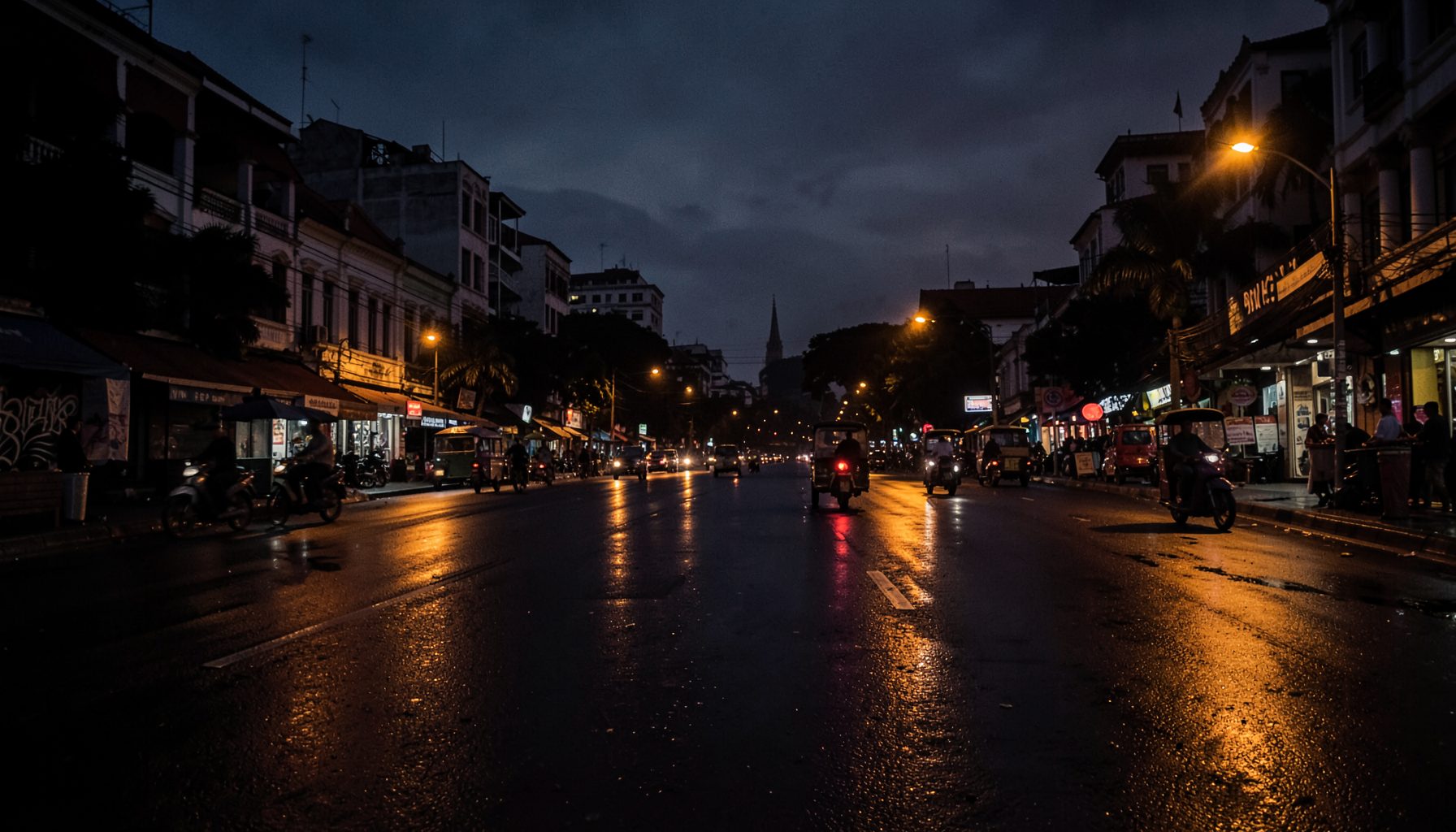
Di persimpangan Kali Mas,cruc air lalu lintas disrupted by_ecological waste and routine river maintenance. Sungai yang membelah Surabaya Timur tidak sekadar serves as channel; it also supports fishing, small-scale transport, drainage, and the livelihoods of communities along its banks. Behind the piles of plastic collected each morning are workers whose daily labor protects the city’s water flow and public spaces.
Their work extends far beyond picking up rubbish. River sanitation officers inspect banks, remove obstructing debris, coordinate with surrounding communities, and respond to conditions that can worsen during heavy rain. Although their role rarely receives the same attention as flood control or waste transport, their presence determines whether Kali Mas remains a functioning public space or becomes a barrier filled with waste.
Kehidupan Pagi di Tepi Sungai
River maintenance often begins before the streets become busy. Officers prepare their equipment, including gloves, sturdy boots, nets, hooks, collection bags, and boats. The current and water level need to be observed because debris may gather near bridges, drainage outlets, river bends, and the locations where narrower channels meet Kali Mas.
The apparent simplicity of the work is deceptive. Some objects are heavy, sharp, or hidden beneath the surface. Logs, branches, household waste, market packaging, and discarded fishing gear must be handled with care. Officers also have to maintain the cleanliness of access points and ensure that piles of rubbish do not obstruct water flow.
Every route has its own recurring problems. Heavy rainfall drives additional waste into the river, while low tide exposes objects that were previously underwater. Notes about collection points and unusually large debris help teams plan their daily coverage and anticipate where public hazards are most likely to emerge.
Peran Petugas bagi Kota
Clean water and unobstructed waterways have direct consequences for public health. Waste floating on Kali Mas can enter drainage networks, provide breeding grounds for insects, and make the river difficult to use by nearby residents. By keeping the channel clear, sanitation officers also reduce the likelihood that solid objects will worsen blockages during floods.
Some members of the public know these workers as “bendu,” a local designation associated with river cleanliness. The nickname reflects their familiarity with the waterways, although it does not reduce the physical risks they face. Their knowledge of currents, tides, banks, and local dumping patterns comes from years of direct observation rather than routine office work.
Their contribution also extends to public spaces used by communities and businesses around Kali Mas. A clean riverbank gives residents safer access to the water and supports activities connected with transportation and fishing. This makes river maintenance part of urban services, not merely an environmental campaign carried out after waste has accumulated.
Tantangan di Lapangan
Waste arriving in Kali Mas often begins far from the riverbank. Household waste, market refuse, and packaging move through drainage channels before reaching the main waterway. The visible cleanup therefore represents only one part of a longer chain that includes waste reduction at the source, regular collection, and care for smaller waterways.
Weather creates another major difficulty. During the rainy season, the current becomes faster and the volume of debris rises sharply. Officers may need to suspend some activities under dangerous conditions while still monitoring dangerous accumulation points. Equipment maintenance, personal protective gear, coordination between shifts, and clear reporting are essential elements of their occupational safety.
Clear documentation is equally important for residents who report incidents. A useful record identifies the location, type of waste, observation time, and action already taken. Examples of utility guides from other places, such as panduan meter gas daring, demonstrate how technical information can be presented in a way that is easier for the public to understand. The same principle applies to river incidents: simple, consistent records reduce confusion and support faster follow-up.
Warga, Kemitraan, dan Gotong Royong
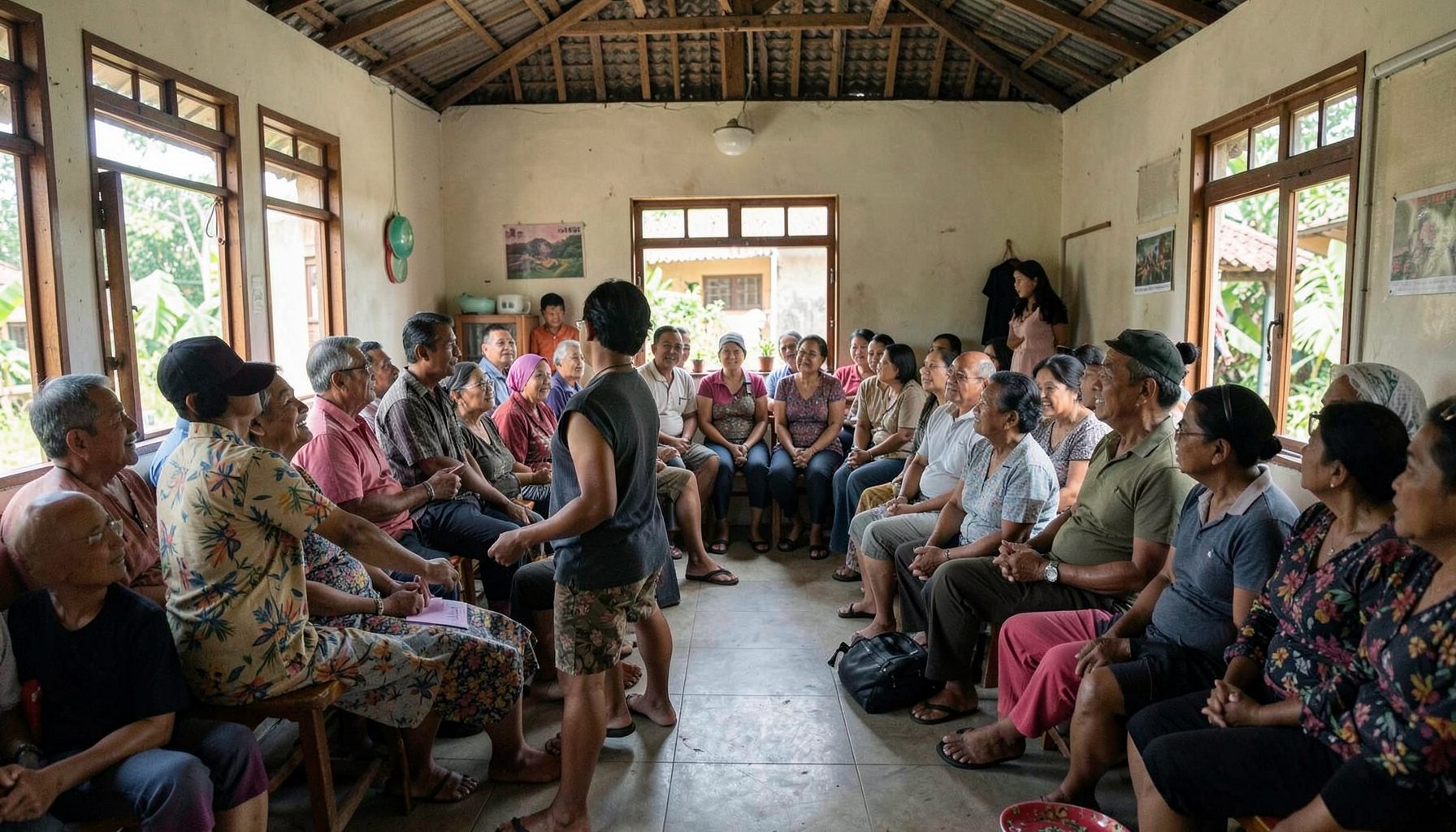
River cleanliness cannot be separated from the behavior of surrounding communities. Waste banks, schools, market associations, fishing groups, and local businesses can help stop disposable items before they enter drainage channels. Community activities also create opportunities to introduce waste separation and explain why small habits have a large effect on Kali Mas.
Coordination between the sanitation team and relevant city agencies allows problems to be addressed across their full scale. A blockage may require boat access, heavy equipment, drainage repairs, or waste collection from a particular settlement. Similarly, recurring waste at one point may reveal a problem in collection services upstream rather than a failure by river workers alone.
Public recognition still matters. Residents who understand the risks faced by sanitation officers are more likely to treat access points as shared facilities rather than convenient disposal sites. Reporting a large object, damaged bank, or blocked outlet at the proper channel also helps officers direct their limited time and equipment toward urgent locations.
Praktik Kerja yang Menyelamatkan Sungai
The profile of a river sanitation officer is built through consistency. Daily inspections, careful waste removal, accurate records, and communication with residents produce results that may appear ordinary from a distance. Yet these repeated actions prevent small obstructions from developing into major hazards and preserve Kali Mas as a usable urban river.
The success of this work should not be measured only by the amount of rubbish collected. Stable water flow, safe access points, cleaner tributaries, accurate incident reports, and stronger cooperation with communities are equally meaningful indicators. Those conditions also recognize that the workers are part of a wider public system rather than isolated heroes.
Praktisnya, Kali Mas tetap lestari hanya ketika penanganan sampah di hulu, pemeliharaan saluran, dan kerja lapangan berjalan sebagai satu rangkaian.