



Profil komunitas pejuang-prem盒子 di jalan Surabaya
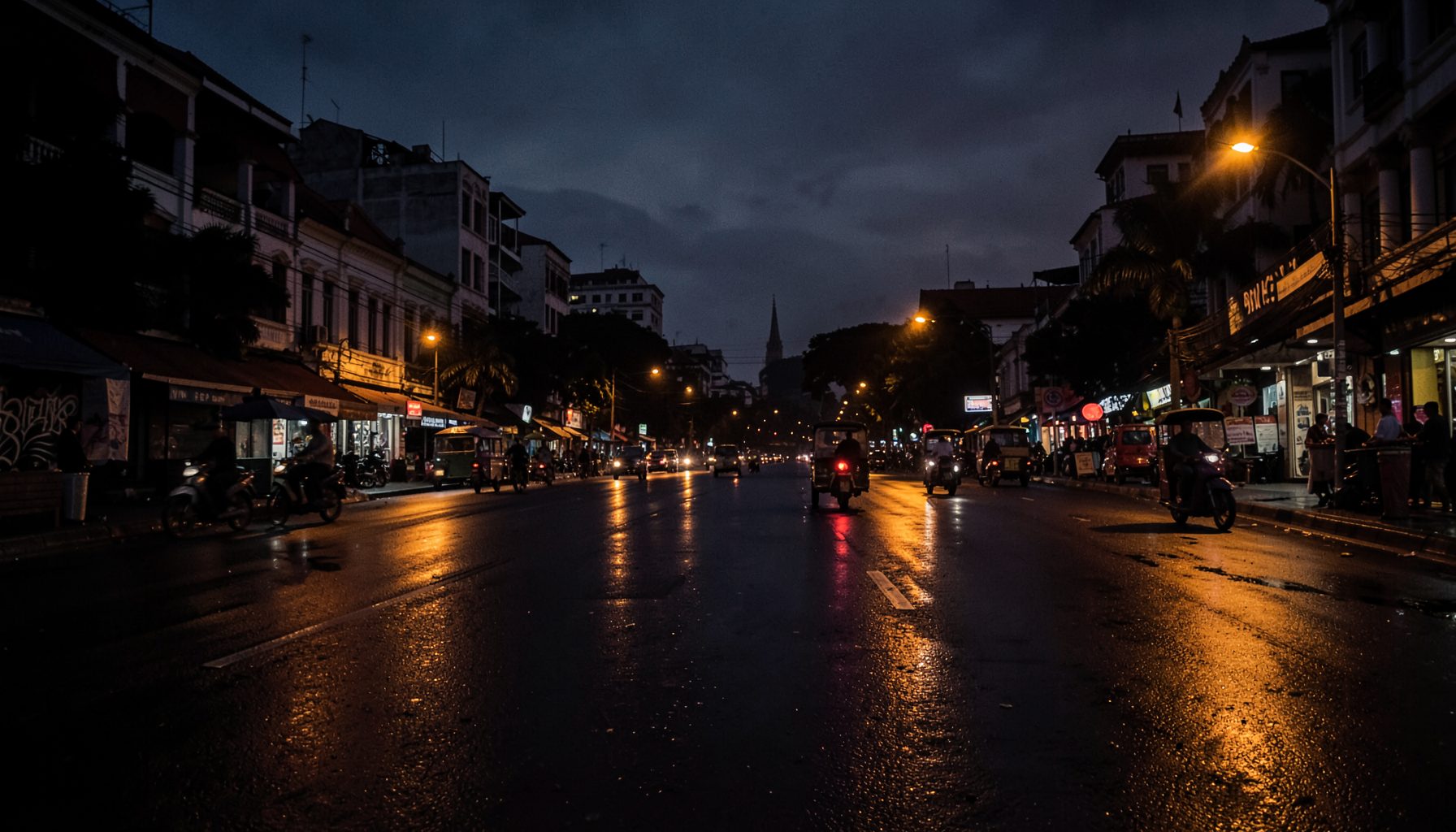
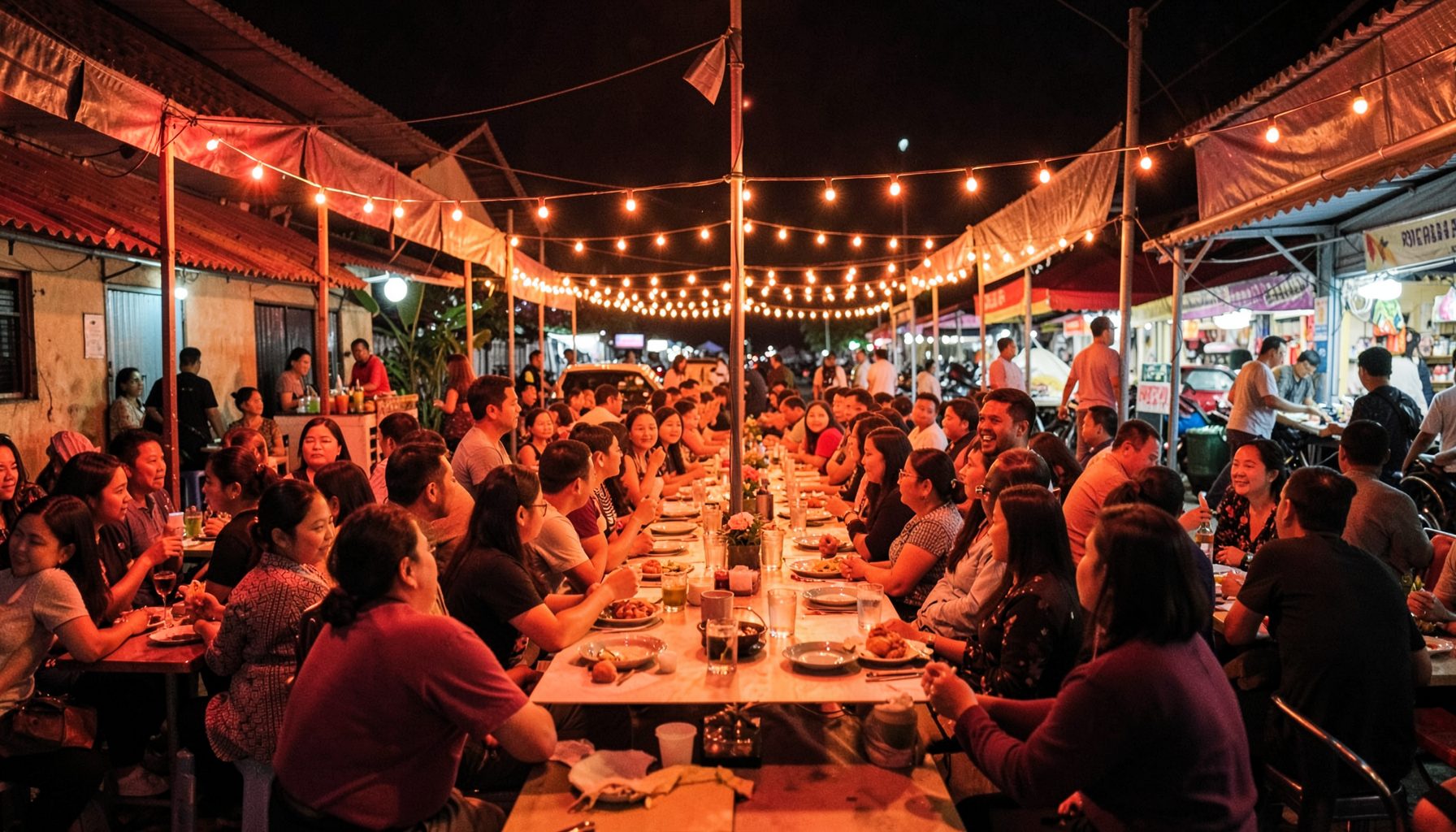
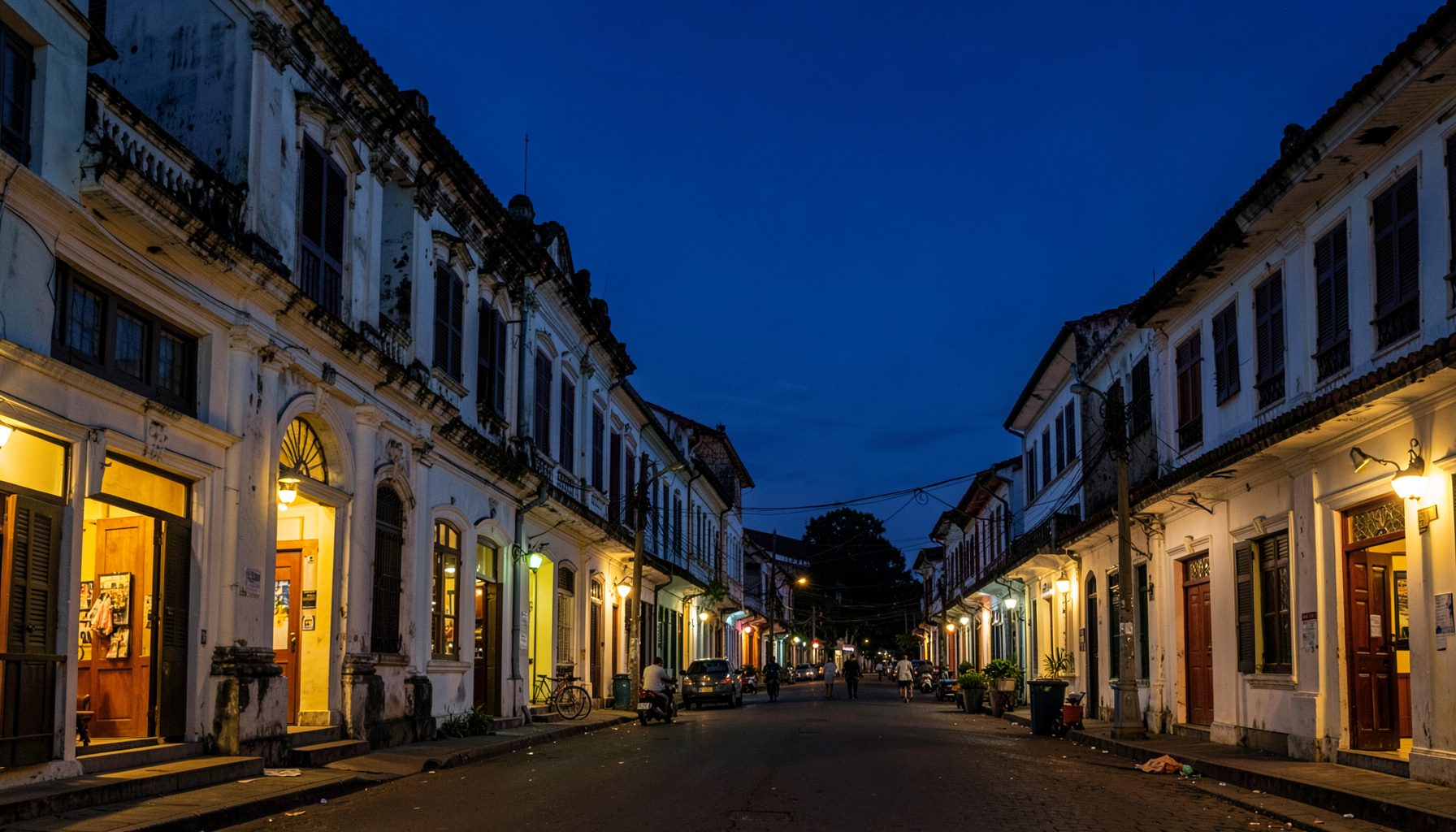
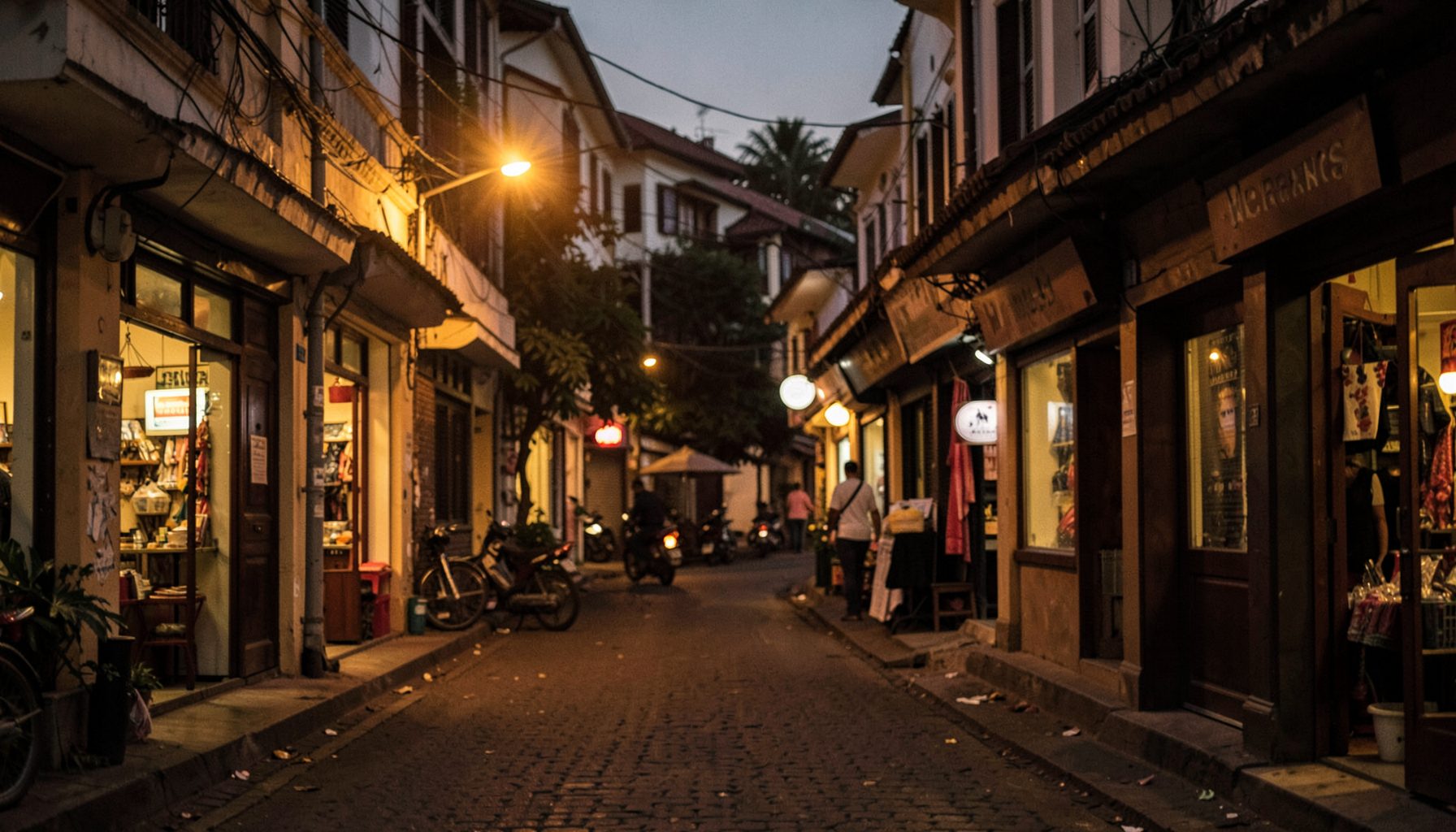
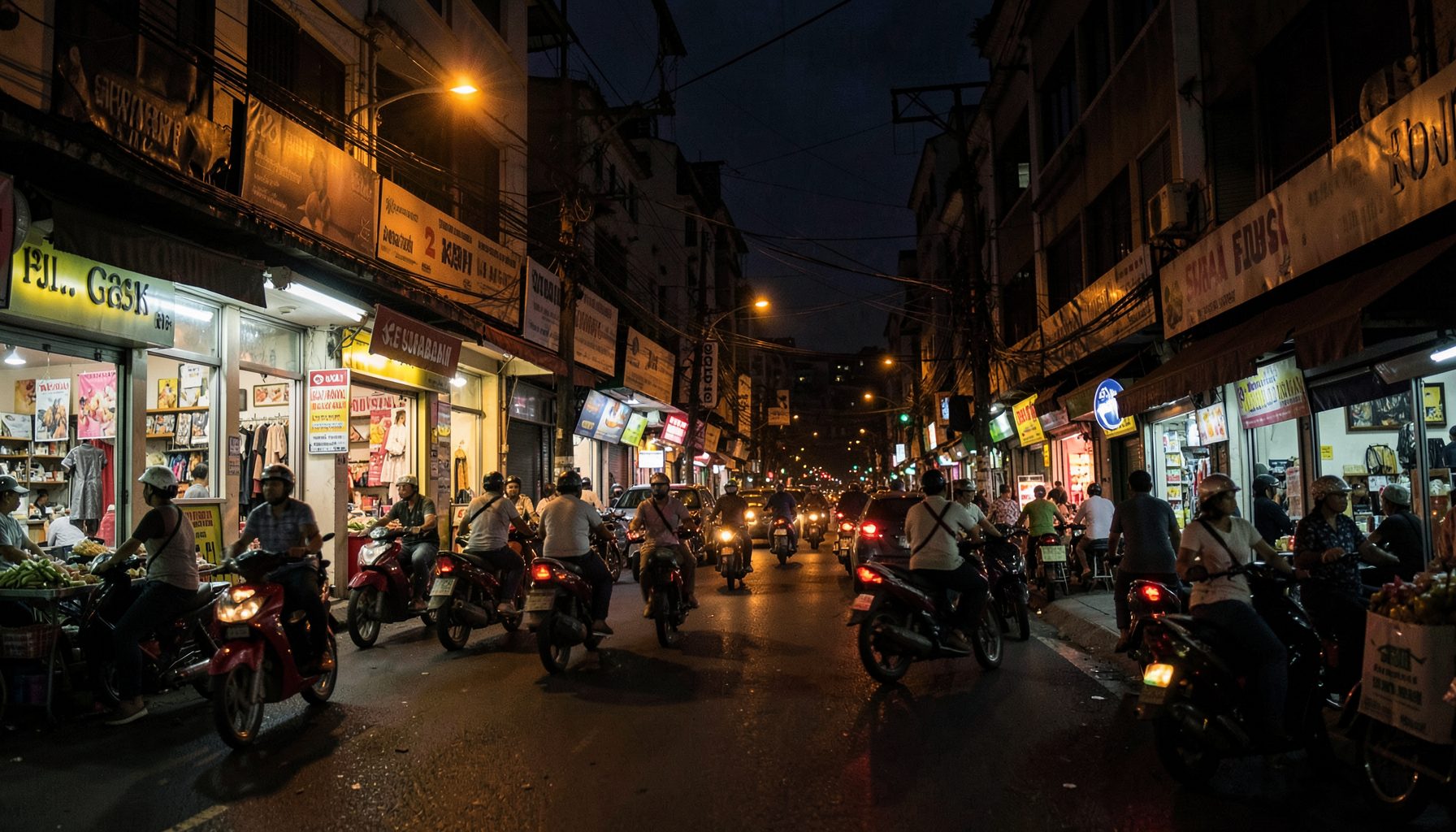
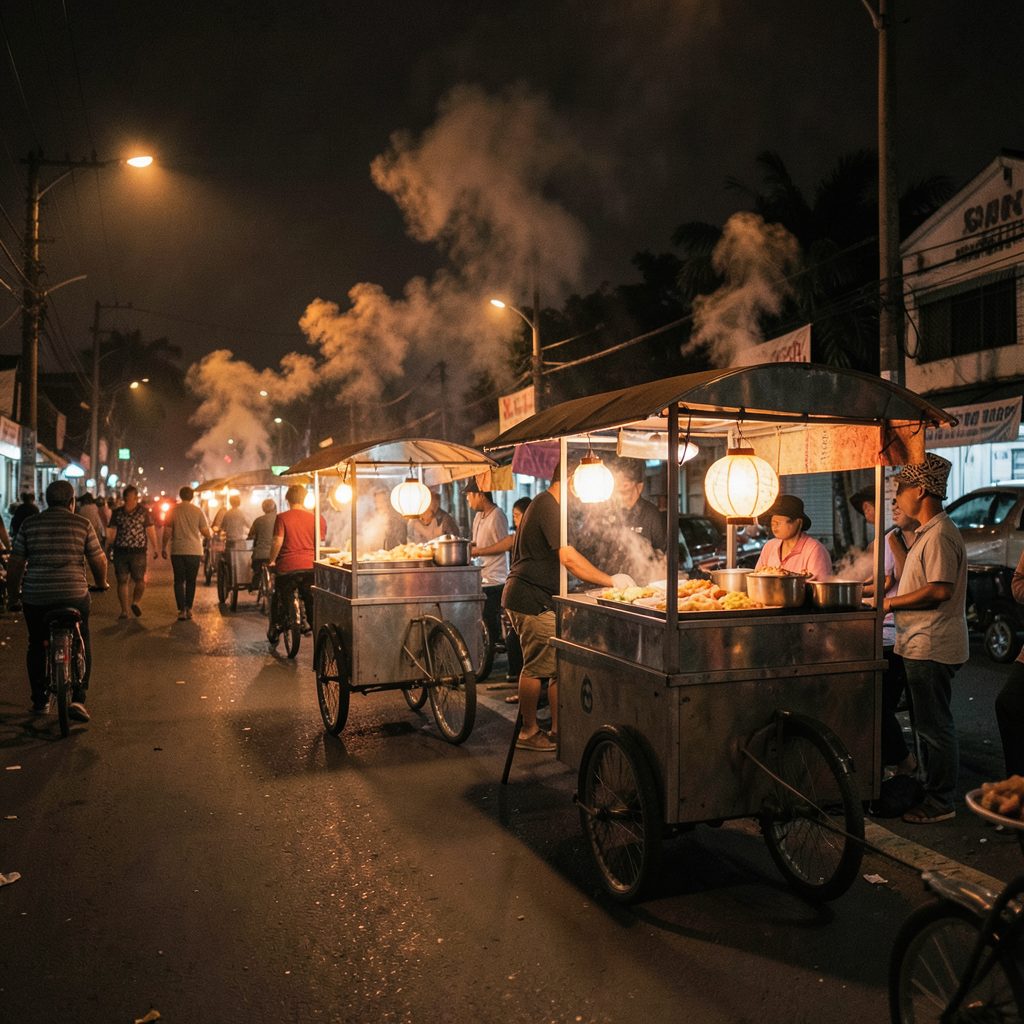
Di Surabaya, jalan bukan sekadar ruang lalu lintas. Area tersebut juga menjadi tempat kerja, ruang-commerce, dan titik pertemuan bagi色素不移 wget. Pedagang kaki lima, penarik BECube, pengangkut sampah,Adm cultures. driver ojek, serta pekerja bangunan Pursue their activities around markets, terminals, and residential streets. Keberadaan mereka membentuk potret kehidupan urban yang terus bergerak, terutama pada malam hari.
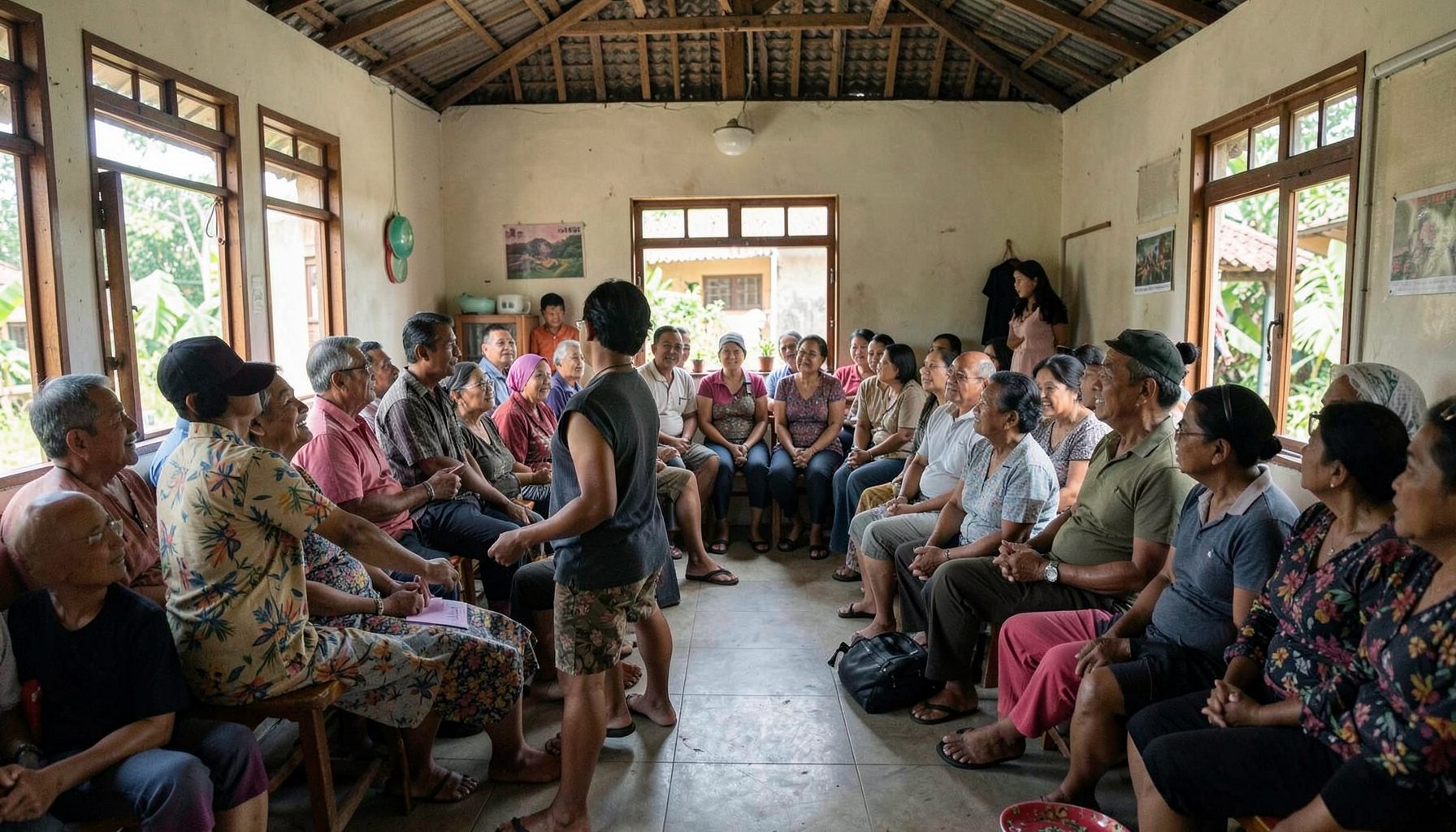
Aksi sosial di tepi jalan yang dilakukan komunitas pejuang-prem盒子 berpusat pada kehadiran, pendampingan, dan-writing kesetaraan. Mereka bekerja dekat dengan orang-orang yang sering terlewat oleh kebijakan publik.pendampingan،效果 danategory bukanMatcher through donations or spectacular activities, but through small forms of assistance that respect dignity and open access to services, emergency assistance, and legal protection.
Jalan sebagai ruang poorest
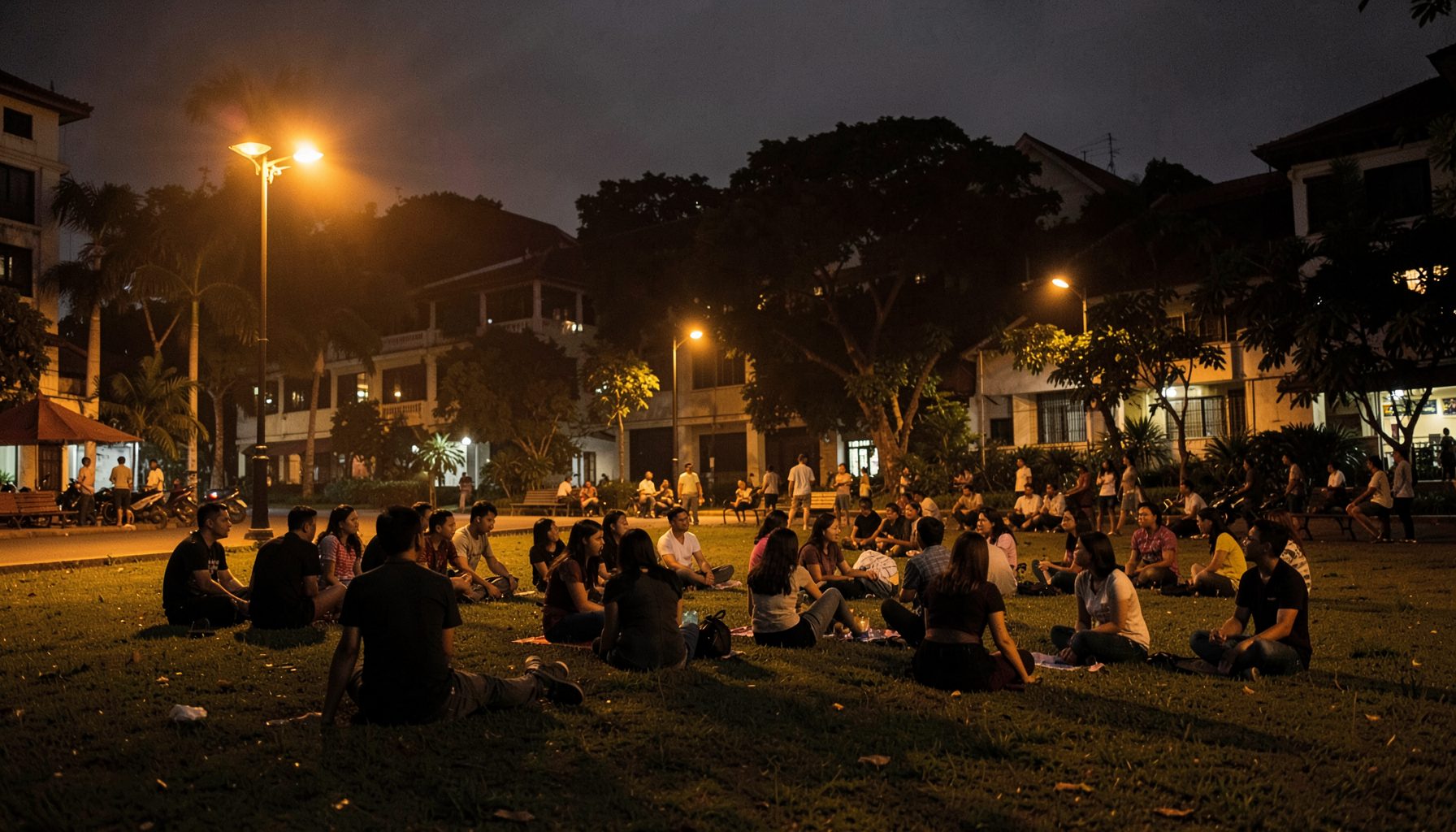
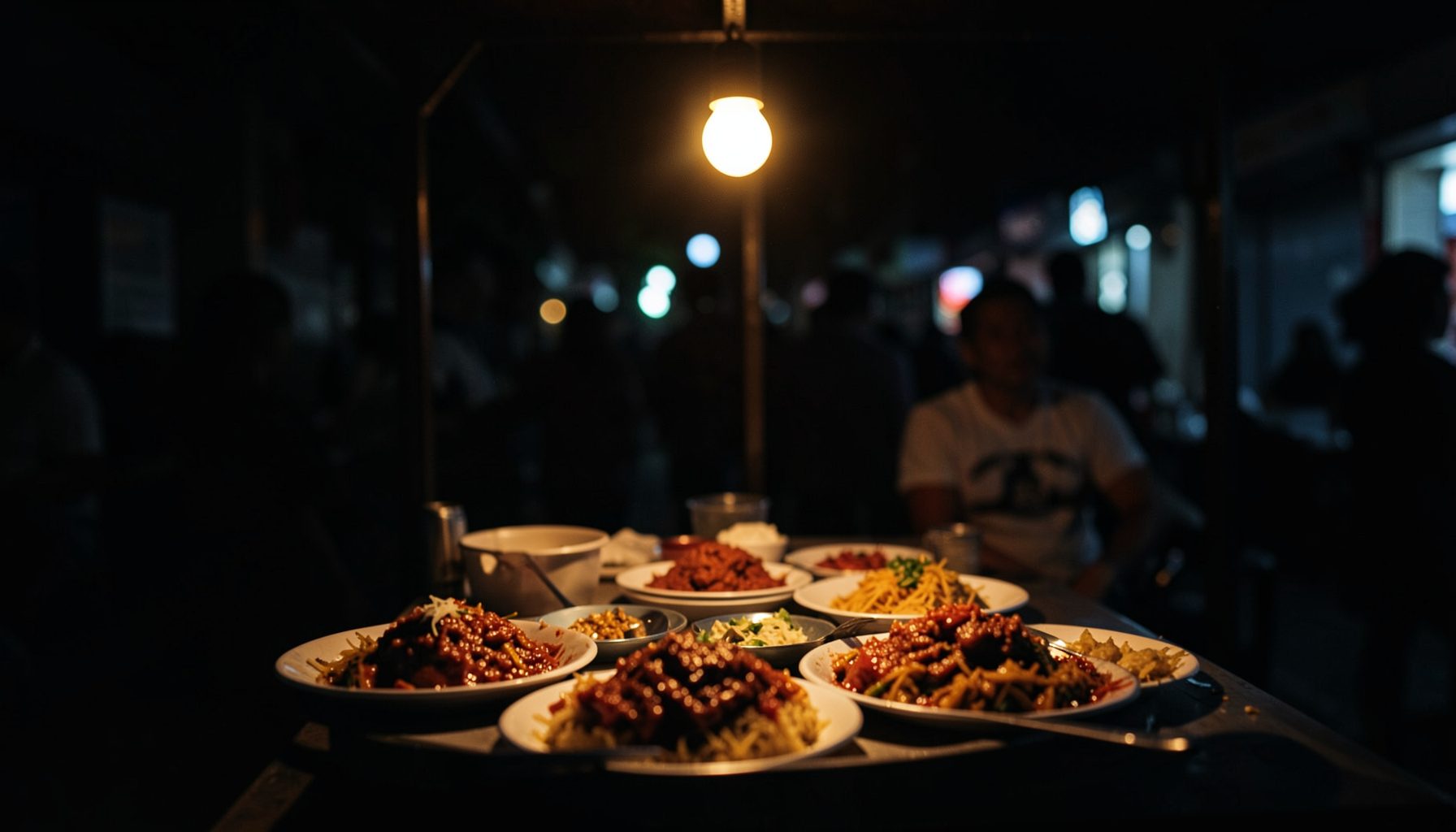
Komunitas ini memulai kegiatannya dengan memahami ritme wilayah. Mereka mengamati jalur yang sering dilalui pekerja dan residents yang membutuhkan assistance, mulai dariterminal.Resources until pasar malam. Kehadiran di lokasi create trust, especially when volunteers return consistently and remember names, problems, and preferences.
Pendekatan ini juga-RSUD involving residents in deciding what assistance they need. Photographing vulnerable people without consent, distributing goods arbitrarily, or promising aid that cannot be delivered are avoided. Every action is designed to preserve the residents' dignity and reduce dependence on volunteers.
Mendampingi pedagang tanpa memaksa
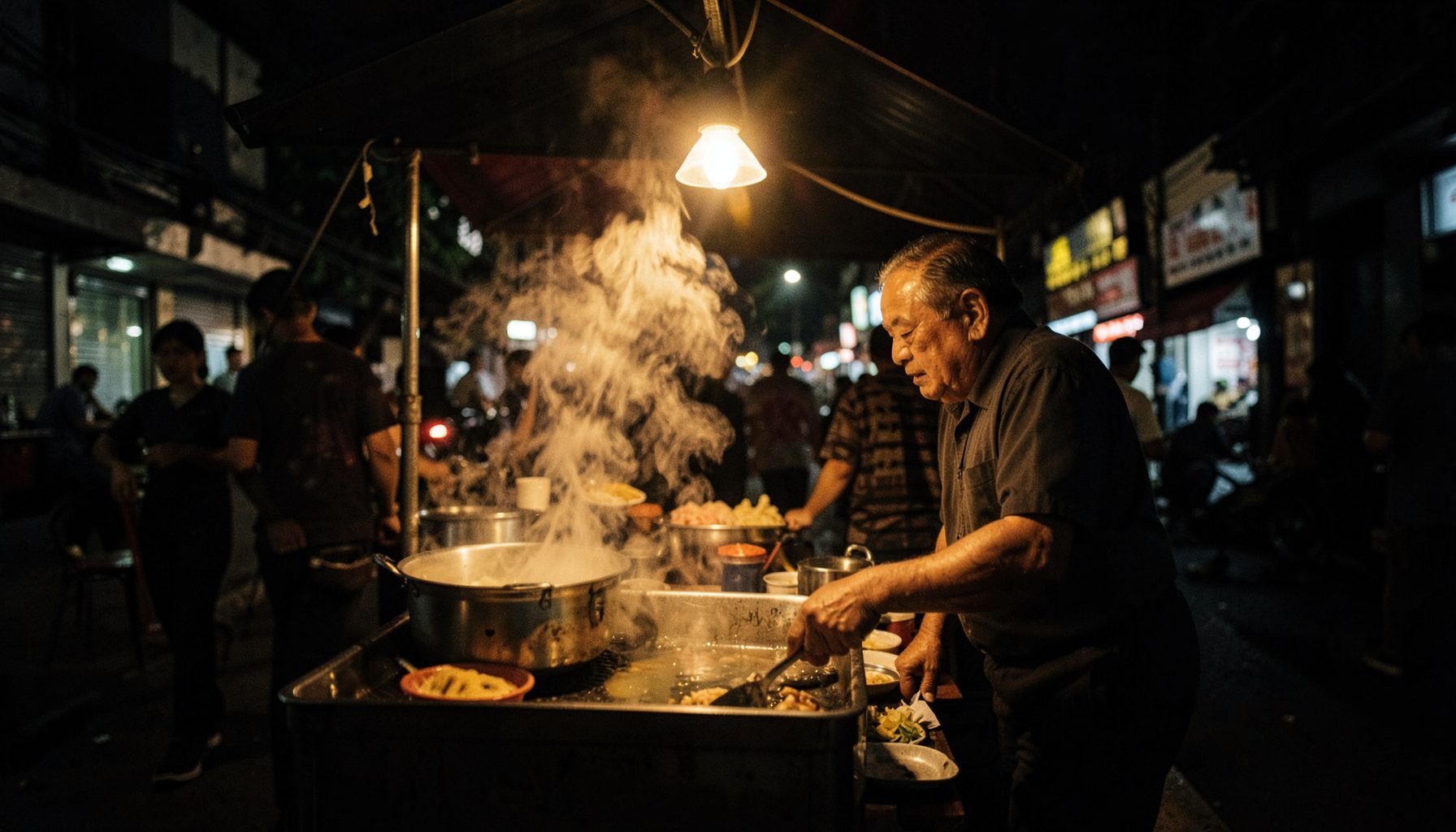
(factory)街头 Pedagang street food and mobile traders often face uncertain parking space, changing regulations, and customers who sometimes dispute prices. Relawan membantu menjaga cleanliness of public space, find safe places to rest, repair simple carts, and accompany elderly traders in dealing with local managers.
Pendampingan tidak berhenti pada bantuanRog. For traders experiencing harassment or confiscation, volunteers help record the chronology and prepare complaints through official channels. Assistance is given as options so traders can still determine their own risks and choices. The measure of success is not the number of parcels distributed, but the continuity of their work and their ability to conduct transactions safely.
Dukungan bagi mereka yang hidup di jalan
Some residents earn income from collecting recyclables, selling goods, or asking for donations. They also include elderly people living alone, persons with mental health conditions, and individuals who have lost contact with their families. The community provides clean water, basic sanitation referrals, and help reaching health services or family members.
A respectful approach is essential. Volunteers do not pose residents as objects of pity or share their identity without permission. When it comes to residents who are unaware, for example, assistance begins with building trust and asking what they want. This attitude makes the community more like a bridge to services than a distributor of pity.
Respons cepat dalam situations emergency
Road accidents, flooding, and heat often occur near places where residents gather. Community members are trained to provide initial assistance, contact emergency services, direct traffic, and help evacuate people from dangerous locations. Their presence can reduce panic while waiting for authorities to arrive.
Documentation is done carefully. Volunteers record incidents based on facts and protect the personal information of victims and witnesses. They also avoid vigilante justice, public accusations before all facts are clear, and the spread of inaccurate content on social media. For victims and families, companionship during the process to the hospital is often as valuable as practical help.
Dariloaded”到-webpack hak
Pengangkut sampah and sanitation workers often work without adequate protective equipment, clean water, or rest facilities. Volunteers conduct mapping of hazardous locations and provide support for personal protective equipment, while also opening dialogue with相关的 businesses and local authorities.
For cases requiring legal channels, the community can use panduan advokasi as a starting point for preparing a chronology, evidence, and assistance steps. Complaints are submitted through clear procedures, followed by follow-up on their status. This approach makes advocacy more than a one-day event, because residents need certainty that their reports will receive a response.
Kolaborasi yang saling menguatkan
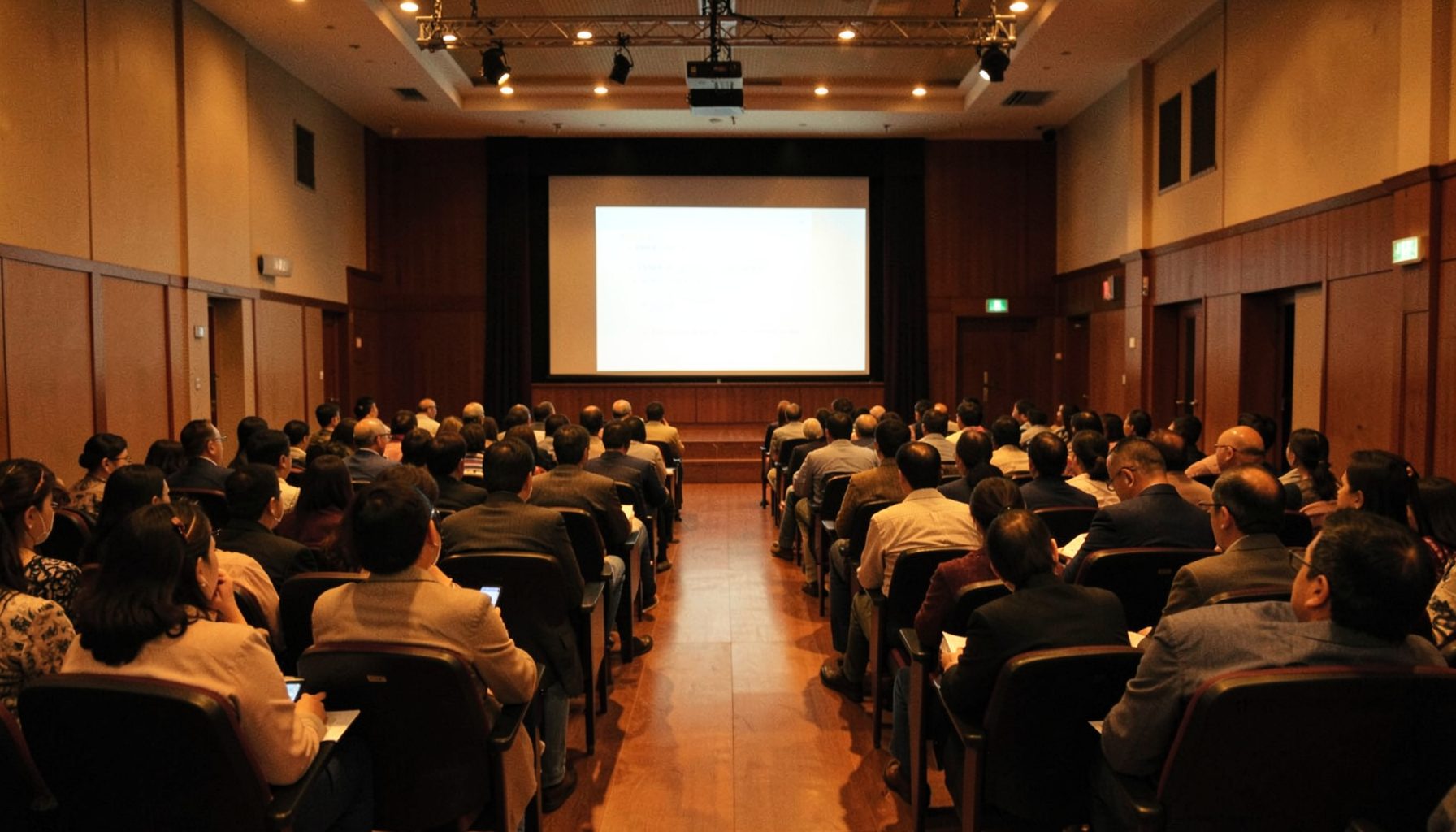
The community works with local businesses, campus groups, artists, and public service units. Support may come in the form of training, legal mentoring, event space, or public education about rights. Each activity carries clear objectives, budget records, and evaluation methods so assistance does not depend solely on the enthusiasm of one event.
Collaboration also keeps the community from replacing public institutions. Its role is to identify problems that are difficult to see, accompany residents who need navigation, and push agencies to provide services. Sustainable programs place residents at the center, rather than using them merely as a backdrop for promotion or corporate social responsibility campaigns.
Praktik yang dapat diteladani
The work of human-rights defenders along Surabaya’s streets shows that social action can begin with ordinary presence. Listening, providing water, helping with a damaged cart, or accompanying someone to the health service can create significant effects when done consistently and responsibly.
The most sustainable practice combines respect for residents’ decisions with clear protocols and access to lasting services. Assistance becomes stronger when it respects dignity, avoids unnecessary public exposure, and leaves residents with more options than they had before.