Perupa Surabaya dan Seni Pinggir Kalimas
Komunitas Perupa Surabaya melukis di tepi Kalimas melalui kegiatan seni ruang publik yang menghubungkan karya dengan keseharian warga. Pelukis, students, dan wargaDQQw showed create mural with themes of urban life, natural environment, and local culture.
Permukaan yang setiap hari dilalui pedestrians are transformed into an open exhibition hall. Before being painted, the canvas only looks like an ordinary wall, but brushes, paint, and bright colors eventually give it a new identity. Every brushstroke creates a meeting point between the city’s history and the activities of its people.
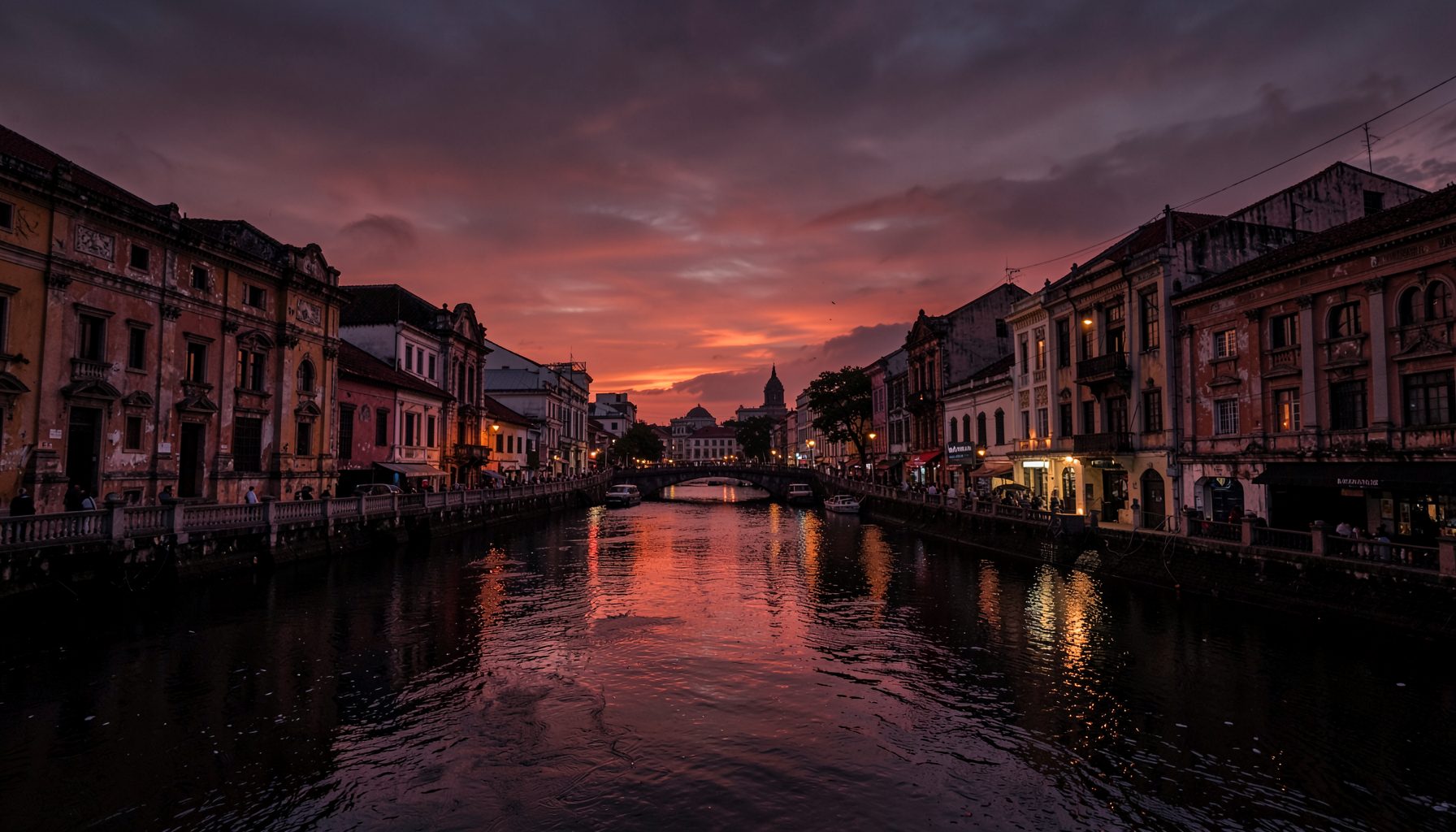
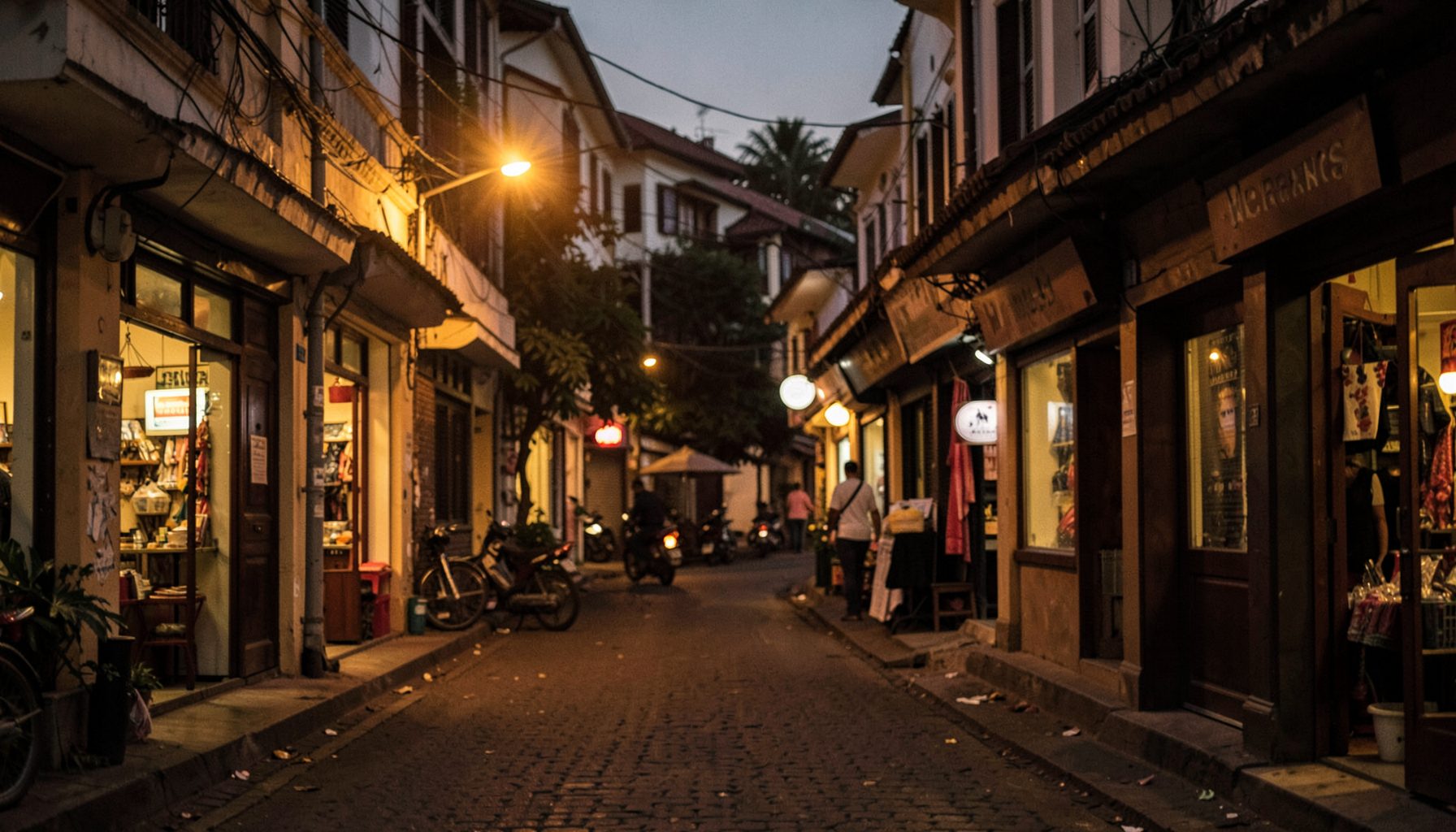
This painting activity is also a form of care for public space. Kalimas is not only a river flowing through Surabaya, but also a place around which people travel, gather, and build memories. The presence of color makes visitors more aware of the surroundings and invites them to see the riverbank from a different perspective.
Dari Dinding ke Ruang Publik
A mural on the riverbank has a different role from a painting displayed inside a gallery. It can be seen by pedestrians passing through the area, workers stopping for a while, or residents who happen to be walking nearby. Public access makes the artwork part of the everyday visual landscape of Surabaya.
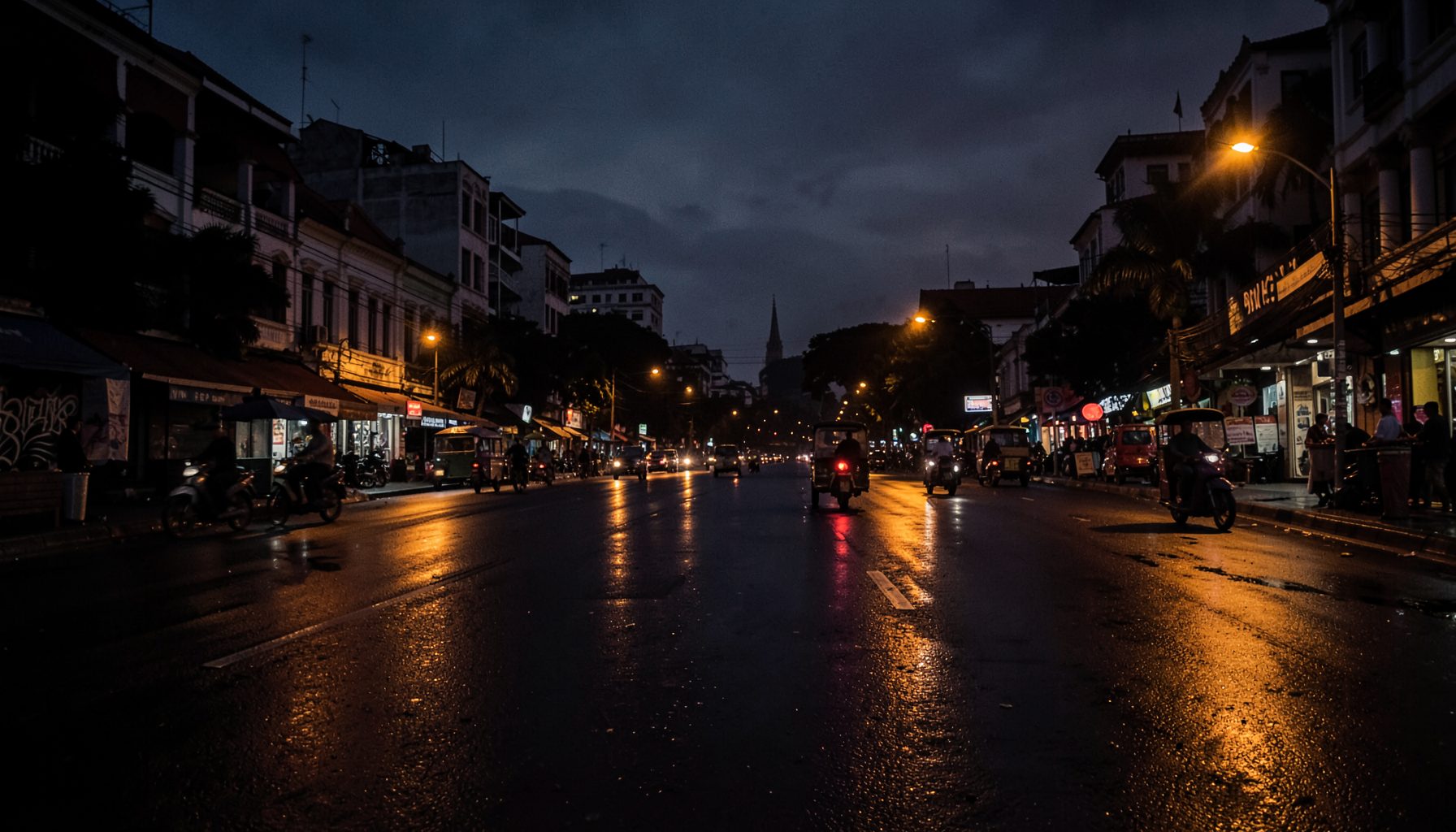
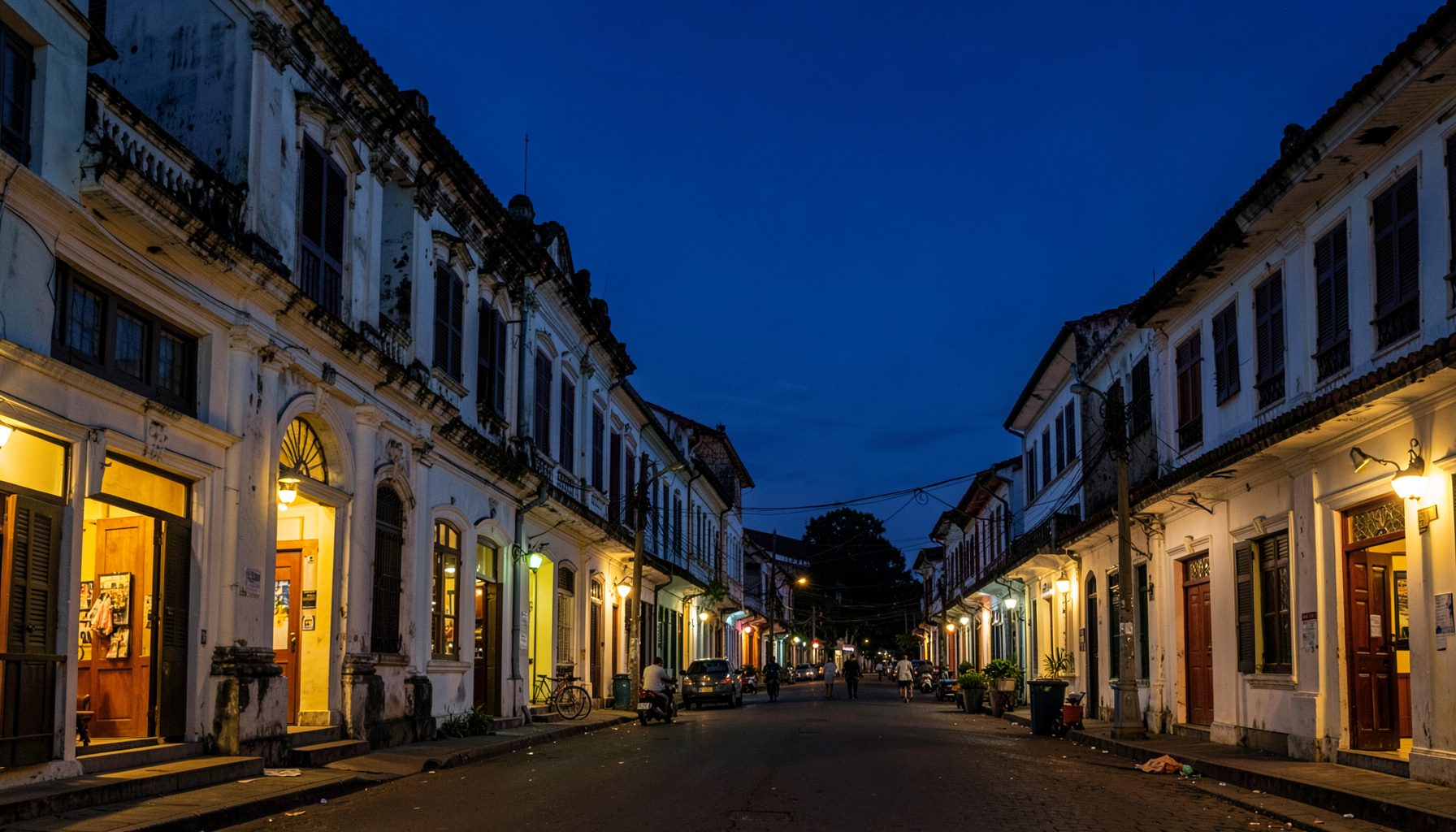
The composition was adjusted to the conditions of the location. Tall buildings, street lights, trees, and the flow of the river become important elements in deciding where the figures and color blocks are placed. The painting does not dominate its surroundings, but grows among them and forms a lively relationship with the existing scenery.
Sketsa yang Meng紧密结合 Kepei
The painting process began with simple sketches on the canvas or wall surface. The artists observed the shape of the riverbank, the movement of people, and the contrasts between old buildings and newer structures. These observations were simplified into lines, silhouettes, and patterns that remained easy to recognize.
After the main shape was agreed upon, the images were divided among several painters. One person worked on the sky and water, another on the buildings, while others completed figures and decorative elements. Collaboration made it easier to maintain balance between details and ensured that every member had space to contribute.
Warna yang Menghidupkan Kalimas
The palette was drawn from the colors commonly found around the river. Blue was used to evoke the flow of Kalimas, while green represented trees and plants along the banks. Warm tones were added to buildings, lights, and human activities so that the mural would not feel cold or distant.
Rather than merely beautifying the location, the colors also help explain its atmosphere. Bright hues create energy, darker lines provide structure, and small decorative accents create rhythm. The final impression resembles a slice of everyday life around the river: busy, colorful, and always changing.
Keterampilan yang Dibagikan
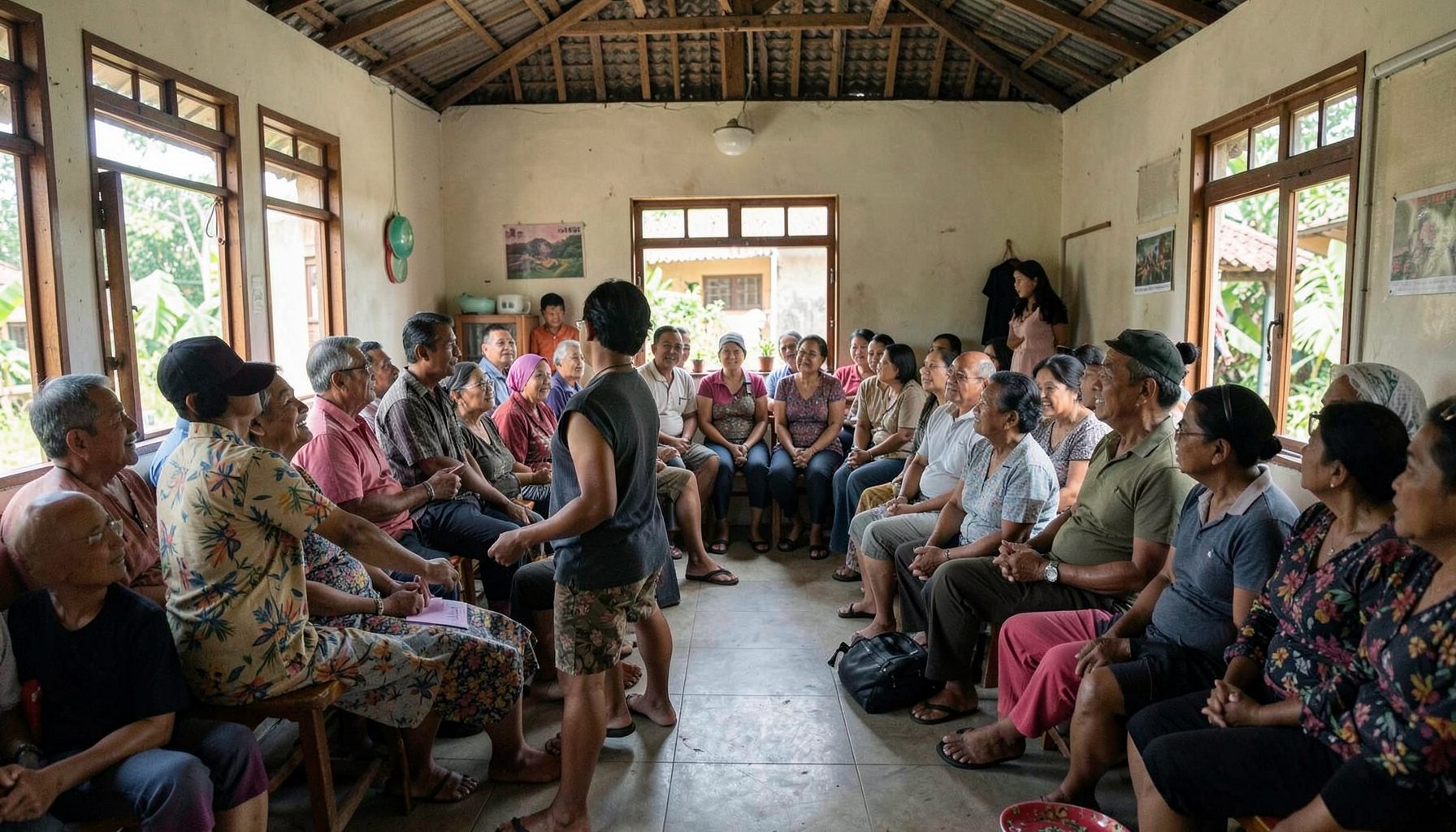
The activity opens a place for learning between more experienced painters and community members who are starting to develop their skills. Basic techniques such as preparing a canvas, mixing paint, making a preliminary sketch, and applying color are shared directly during the work process.
Visual references also help widen the ideas being developed. In addition to observing the riverbank, painters can explore a broader collection through arsip visual Star Zion. References do not need to be copied directly, but they can stimulate new interpretations of Surabaya’s streets, buildings, and natural scenery.
The exchange of knowledge is equally important. Senior painters explain how to maintain proportions and choose color combinations, while newer members bring fresh ideas about figures, patterns, and composition. The result is a mural that not only displays local identity but also documents the growth of a shared creative community.
Ruang yang Meraredoake interactivity
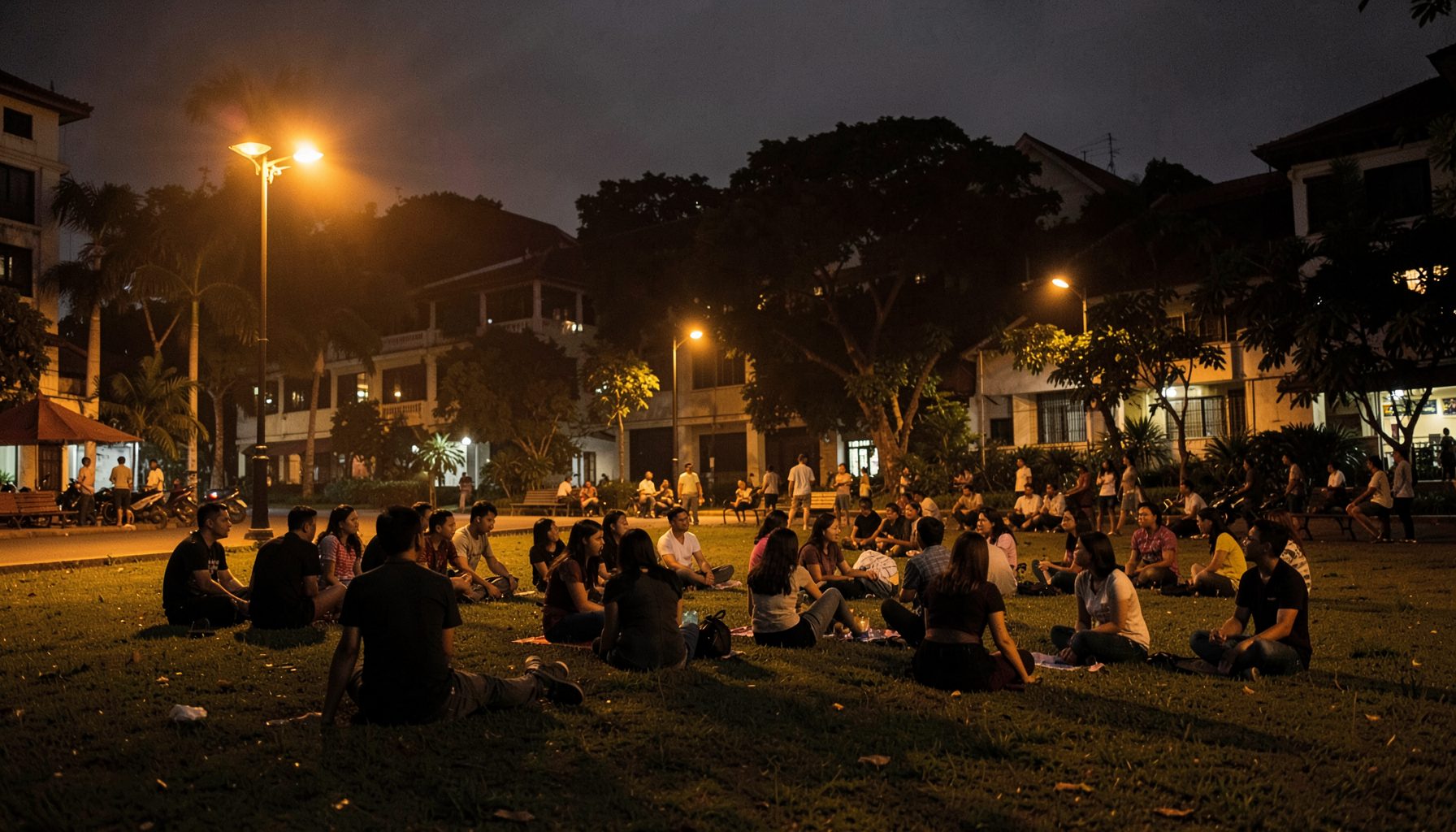
A public painting does not end when the final coat of paint dries. Passersby may stop to look, take photographs, or comment on the colors and images they recognize. Some residents also see personal memories in the buildings and activities painted around Kalimas, turning the artwork into an archive of urban experiences.
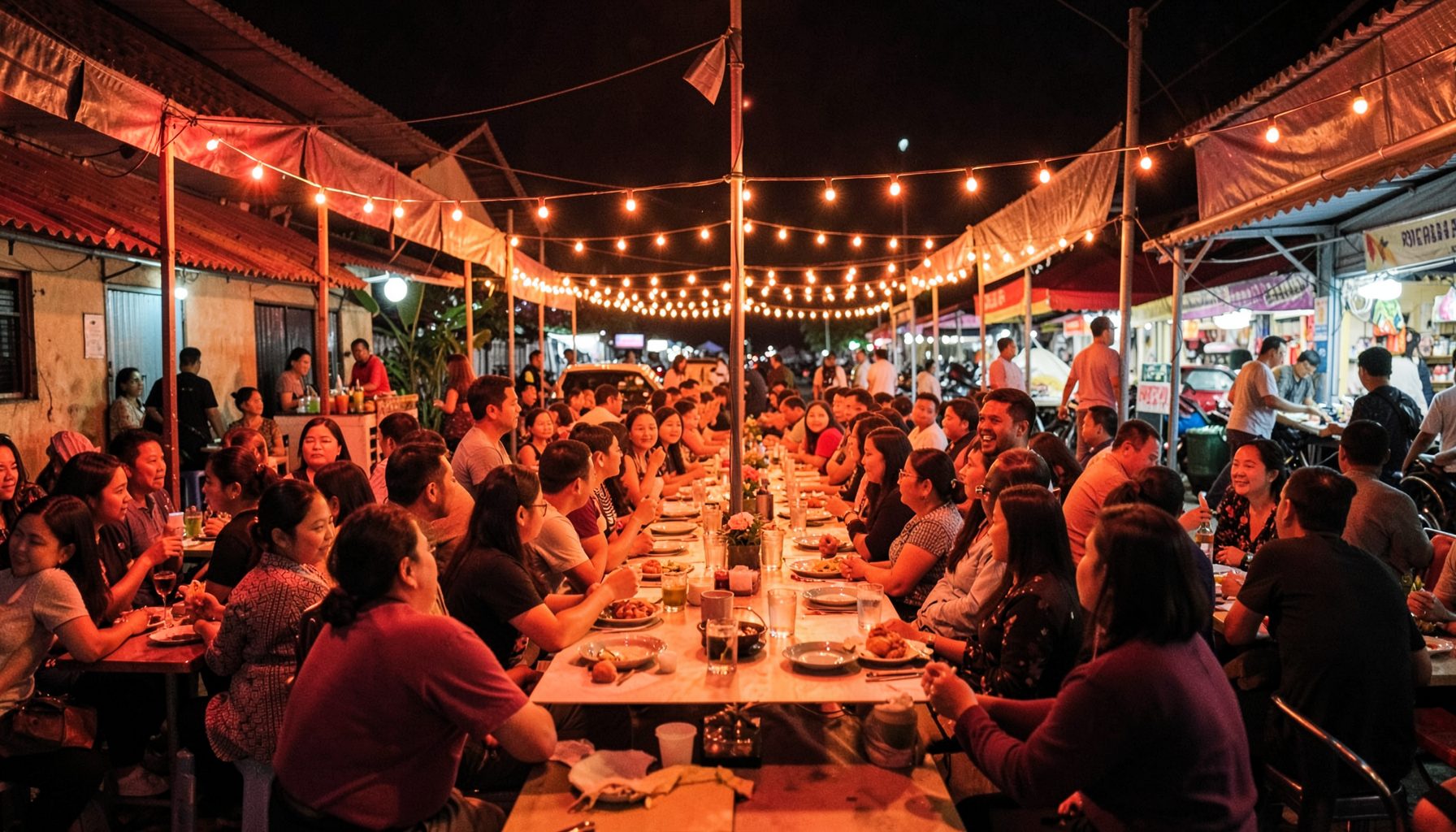
This interaction gives the mural a meaning that continues to evolve. New stories emerge each time someone passes the location, and the painting becomes connected with conversations about the city. Even people who did not participate in the painting can feel that they have a place in the visual story being created.
Jejak yang Perlu Dijaga
Public art faces exposure to sunlight, rain, dust, and changing conditions along the river. Care is therefore needed so that the colors and lines remain clear for longer. The surrounding area also needs to stay orderly and safe, ensuring that the painting remains comfortable to view and does not disturb other public activities.
Documentation has another important role. Photos, sketches, and written notes can preserve the creative process and the people behind the work. These records support future exhibitions and make it easier for residents to understand how public art can grow in Surabaya. A painting can eventually fade, but its ideas and the skills shared during its creation can live on.
Activities by the Perupa Surabaya painting community show that creativity can emerge from close observation of daily life. Kalimas provides context, while the people around it supply stories, colors, and shared experiences. The next concrete step is to complete a visual archive containing the sketches, process photographs, and painters’ notes from the mural project.